REVIEW · PARIS
Closing Time at the Louvre: The Mona Lisa at her Most Peaceful
Book on Viator →Operated by Walks - France · Bookable on Viator
The Louvre is never quiet, yet this timing can change everything. This small-group, last-entry format lets you hit the big rooms with far less pressure, and it’s built for people who want real conversations about what they’re seeing. I especially like how you get to anchor your visit with a guide who connects the building to the art, and how the route is paced so you’re not sprinting the whole time.
The main drawback is simple: the Louvre can still be crowded near the Mona Lisa, and peace is always a bit seasonal. In warmer months (or peak days), “calmer” may mean fewer crowds than midday, not empty galleries.
In This Review
- Key Highlights You Can Actually Use
- Closing-Time Louvre: Why It Feels Less Chaotic
- From Arc de Triomphe du Carrousel to the Louvre: Easy Start, Smart Flow
- Louvre Pyramid Courtyard: Getting Your Bearings Before You Commit
- The Moat Foundations and Greek Sculpture Route: More Than a Photo Stop
- Caravaggio, Raphael, da Vinci: How the Tour Picks Its Priorities
- Mona Lisa at Her Most Peaceful: What You Can Expect
- The Tour Style That Makes It Work: Small Group, Headsets, and Real Stops
- Price and Value: What You’re Really Paying For
- Timing, Closures, and Strikes: The Part You Can’t Ignore
- Who This Tour Suits Best (And Who Might Want Another Option)
- Should You Book Closing Time at the Louvre?
- FAQ
- How long is this Louvre closing-time tour?
- What’s included in the ticket price?
- How big is the group?
- Where do we meet and where does it end?
- Is the tour in English?
- What if the Louvre has closures on the day?
Key Highlights You Can Actually Use
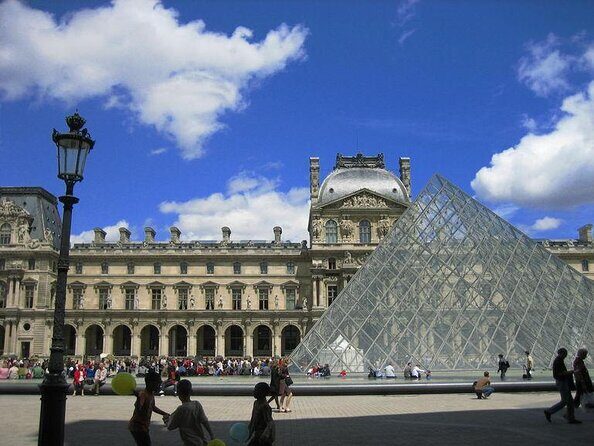
- Last-entry timing helps you see famous works with less scramble and more focus.
- Small group size (max 20) keeps questions in the conversation, not at the back of the line.
- Headsets included so you can hear your guide without shouting across a gallery.
- A focused route that moves beyond the obvious stops: Greek sculpture, major painters, and the Mona Lisa moment.
- Art-history storytelling with guides praised for clarity and keeping you engaged even through a long museum.
Closing-Time Louvre: Why It Feels Less Chaotic
The Louvre is massive, but the trick with this tour is time. Going late (right as the museum is nearing closing) tends to thin out the rush you’d normally face. You still get a living museum experience—people are there to see the sights—but the vibe shifts from urgent sightseeing to slower looking.
What I like about this approach is that it changes how you experience the building. Early in the day, you often rush to “collect” masterpieces. Late, you start to notice the details: brushwork on a painting, the pose of a statue, the way a room channels your attention. That’s when a guide’s explanations land. When you can stand still and listen, art stops being background noise.
Still, keep one expectation realistic: there’s no guarantee of a totally peaceful Mona Lisa. One sharp note from the experience is that even at the end of the day, crowds can build around the painting—plus it can feel warm inside. So think of this as less overwhelming, not silent.
Other Mona Lisa tours at the Louvre



From Arc de Triomphe du Carrousel to the Louvre: Easy Start, Smart Flow
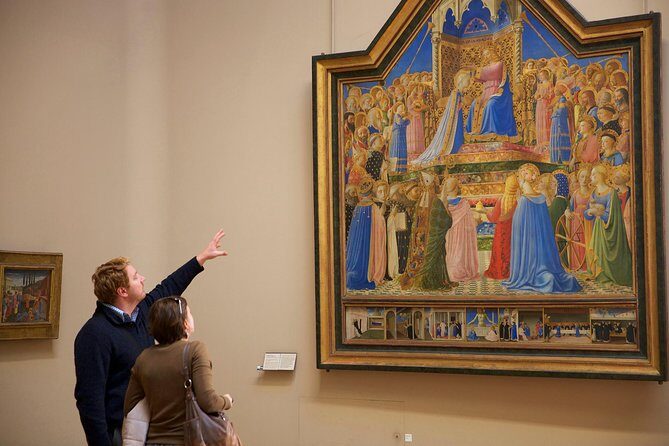
You begin at Arc de Triomphe du Carrousel (Pl. du Carrousel, 75001). This is a good practical start point because it’s outdoors and easy to orient yourself before you step into the museum’s security rhythm.
From there, the walk keeps you oriented. You pass through the central ceremonial spaces, including Place du Carrousel and Place des Pyramides, then you end up by the Louvre Pyramid. That courtyard staging matters. It’s not just pretty for photos—it helps you understand where you are in the larger complex before you commit to the interior route.
Logistics-wise, this tour is a walking experience of about 3 hours and it ends at the Louvre Museum. The pacing is usually “moderate,” but you should be ready to walk steadily. If you don’t like moving from room to room, you’ll want a different style of visit.
Louvre Pyramid Courtyard: Getting Your Bearings Before You Commit
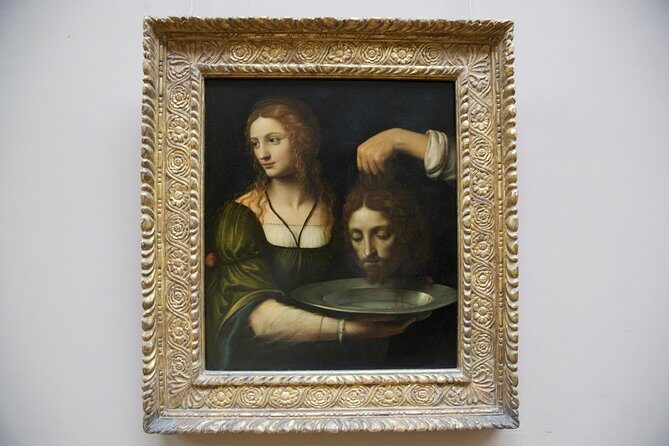
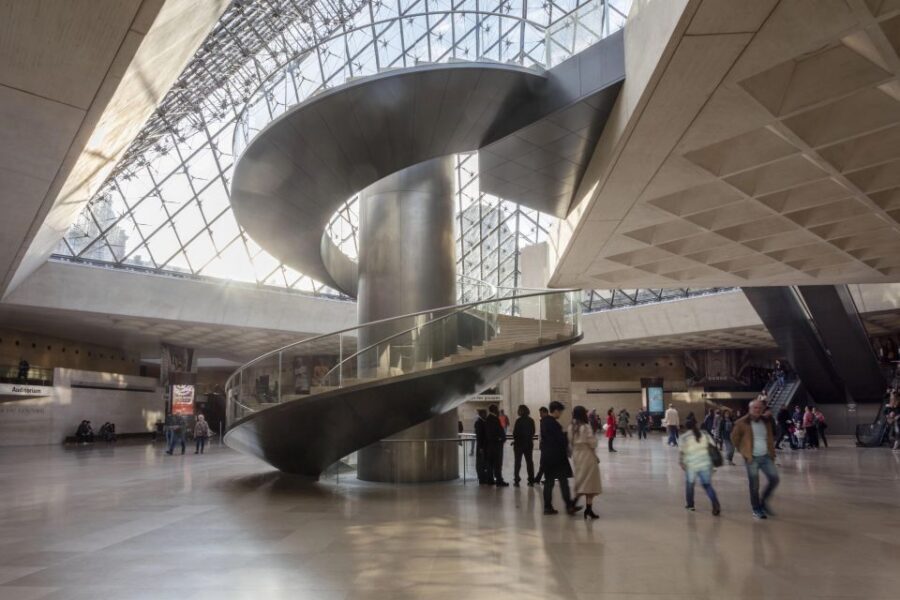
The Louvre Pyramid is the visual anchor for the whole museum complex, and hitting it early in the tour gives you a mental map. You’re not just arriving—you’re being guided into how to navigate once you’re inside.
Here’s the practical benefit: when you understand the central layout, you waste less energy later trying to figure out where the next room is. That’s especially important at the Louvre, where the museum feels like a puzzle with endless corridors.
Also, there’s something psychological about the moment you step into the museum after seeing the Pyramid. It turns the experience from “I’m walking around a building” into “I’m following a story.” Your guide’s job gets easier, too, because you’re already oriented.
The Moat Foundations and Greek Sculpture Route: More Than a Photo Stop
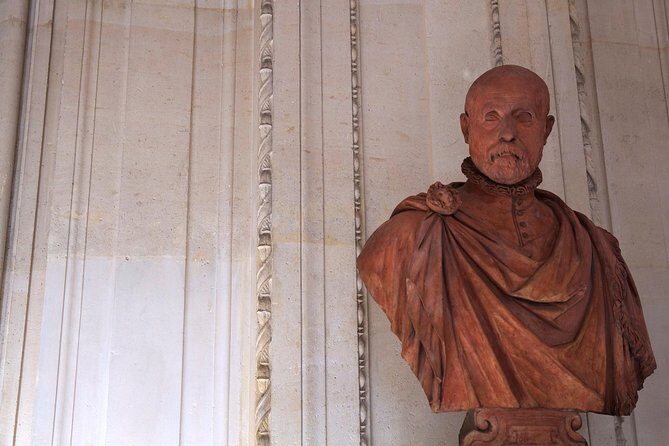
Once inside, the route starts with an interesting foundation-level perspective. You’ll get to see the Louvre’s foundations at the moat, which helps you understand the museum as a place with layers—not just a container for paintings.
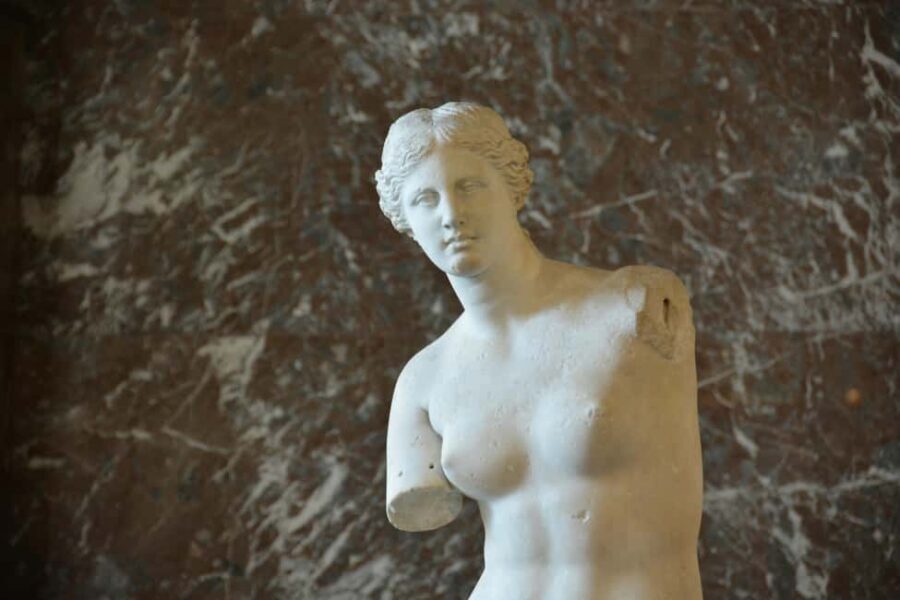
Then the focus swings to the classical side: Classical Greek statues. Two names you’ll want to actively look for are Venus de Milo and the Winged Victory of Samothrace. These aren’t just famous because art history textbooks say they are. They’re famous because, in person, they teach you how much body, motion, and emotion a sculptor can pack into stone.
This part of the tour works particularly well if you think you’re only interested in painting. You might find yourself surprised by how much you enjoy the sculpture rooms when you’re guided toward the right details—how faces are carved, how drapery reads from different angles, how scale affects the way you stand.
Possible drawback here: sculpture rooms can feel crowded if you arrive during a busier window. The good news is that this late timing generally helps, and your guide should keep you moving to viewing spots where you can actually look.
Caravaggio, Raphael, da Vinci: How the Tour Picks Its Priorities
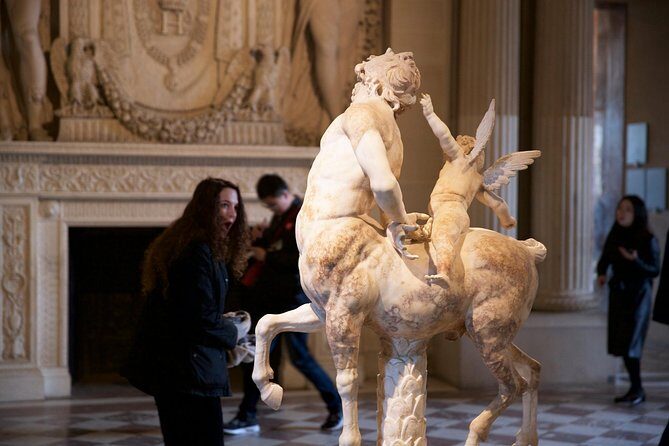
The Louvre is too big to see everything, so this tour chooses a smart set of highlights. You’ll spend time with masterpieces connected to major schools and major artists, including work by Caravaggio, Raphael, and da Vinci.
You’re also guided toward dramatic works that balance the Renaissance giants. For example, the route includes the Romantic intensity of Géricault’s The Raft of the Medusa. That choice matters. It prevents the visit from turning into a straight line of “same era, same mood.” You get contrast: dark drama, elegant composition, and then later on, emotional storytelling.
What makes this route feel worthwhile is that it’s not only about seeing the famous paintings. It’s about learning what to look for while you’re still close enough to notice it. At the Louvre, that’s the difference between a painting that looks “nice” and a painting that sticks with you.
One detail to keep in mind: you won’t have time to wander freely after the tour ends. That’s normal for a last-entry model. So if you love stopping for long reads, you’ll want to make use of the guide’s pauses and questions during the tour, because that’s when you’ll be closest to your best viewing chances.
Other evening and night Louvre tours in Paris





Mona Lisa at Her Most Peaceful: What You Can Expect
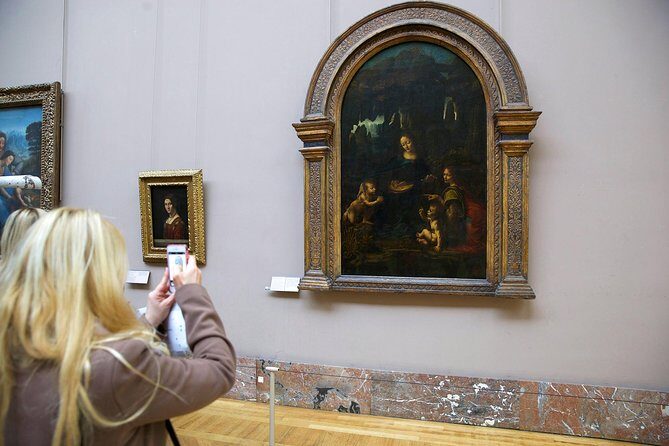
Yes, you’re going to see the Mona Lisa. And the point of the tour is that you’re usually closer to a calmer moment than you’d get in the middle of the day.
Here’s the truth you should plan around: the Mona Lisa is the Mona Lisa. Even late, people gather. What changes at closing time is the pressure—the sense that you have to squeeze past and let someone else have your spot.
Many people love the Mona Lisa moment on this tour for a specific reason: you can spend enough time up close to feel like you truly looked, not just snapped a picture and moved on. And your guide should help you focus on what matters visually. You won’t just stare; you’ll know what to notice.
Also, the tour structure helps. You arrive at the painting as the day winds down, and that often means the crowd is lighter. Still, if you’re extremely sensitive to crowd density, you should understand that the Mona Lisa room is its own ecosystem. It’s not a quiet chapel.
The Tour Style That Makes It Work: Small Group, Headsets, and Real Stops
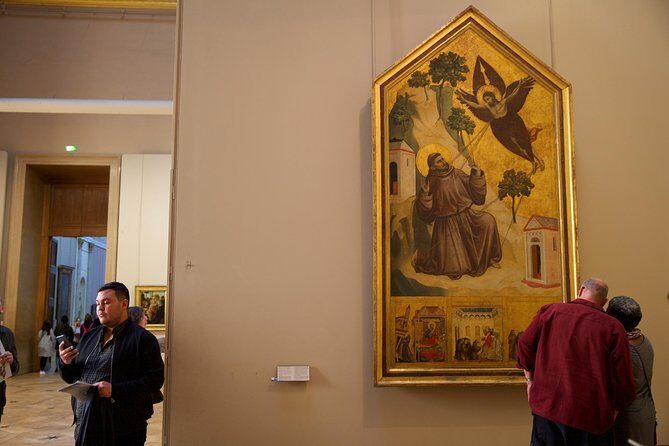
This is a maximum 20 travelers experience, with headsets included. That headset detail is more important than it sounds. The Louvre can be noisy—not in a chaotic way, but in a way that makes it hard to hear subtle explanations. With headsets, you can actually listen as you move.
Pacing is another big deal. Several guides on this kind of tour are praised for making the long museum feel manageable. Some guides keep a brisk rhythm, but the best ones make sure you don’t feel lost. They also build in quick check-ins, so everyone stays part of the group.
Comfort notes from the experience that you’ll likely find useful:
- The Louvre provides free folding stools. If you see one available in a room you like, grab it. Sitting changes how you study a work.
- The museum can be warm, especially in a hot season, because air conditioning is limited in a historic building. Wear layers you can adjust.
And for photo lovers: having a guide control the flow often means you get a better view angle and a better moment to stop. You won’t be fighting the same bottleneck over and over.
Price and Value: What You’re Really Paying For
The tour price is $101.58 per person, and it includes a €22 adult entrance ticket. That matters because it means you’re not stacking the museum ticket cost on top. More importantly, the fee is paying for the human part: a guide who can point you to the right things, keep the route coherent, and help you actually understand what you’re seeing.
This tour isn’t meant to be “buy it and wander.” It’s meant to be a guided, high-impact route. If you like getting your bearings fast and you don’t want to research museum rooms in advance, it can feel like strong value.
Where value can dip: if you already have a great self-guided plan and you hate group pacing, you might prefer doing the Louvre on your own. The Louvre rewards curiosity, and a tour like this trades some freedom for focus. For many people, that trade is worth it. For others, it’s not.
Timing, Closures, and Strikes: The Part You Can’t Ignore
The Louvre can close areas due to strikes, and your tour may be adjusted if rooms are shut on the day. You should assume the route can change. The good news is that your guide is expected to modify the plan if needed.
Also, the timing is built around last-entry conditions. If the museum or certain sections are affected, you might lose one or two planned elements. That’s not a failure—it’s the reality of touring a giant institution with day-to-day operational changes.
If you want the most reliable experience, I’d avoid being too rigid. Be ready to follow your guide’s day-of plan and still aim for the big hits you came for.
Who This Tour Suits Best (And Who Might Want Another Option)
This is ideal if you:
- Love art and want it explained in a way that makes you look longer
- Want a calmer end-of-day Louvre with less crowd pressure
- Prefer a small group where you can ask questions
- Are visiting Paris with limited time and want the museum’s most famous moments handled
It can be less ideal if you:
- Struggle with steady walking for about 3 hours
- Want total freedom to wander without a route
- Are hoping for a completely empty Mona Lisa room (you’re not going to get that)
Families can work well too. Some guides are especially good at keeping younger people engaged, and the headset format helps everyone hear the same story as the group moves.
Should You Book Closing Time at the Louvre?
If your goal is to see the Mona Lisa and other heavyweight masterpieces with less chaos, I think this tour is a smart bet. The best part is not the word “peaceful.” It’s the actual mechanics: late timing, small-group size, headsets, and a route that focuses your attention on what you’d otherwise miss or half-see.
Book it if you want guidance plus a real sense of spending time with the art instead of racing through rooms. Skip it if you’re the type who wants hours of unstructured wandering and you don’t mind spending time figuring out your own route.
If you do book, here’s the practical advice that will make the biggest difference: show up mentally ready to look. The Louvre isn’t a checklist museum, and this tour works best when you let the guide slow you down at the right moments.
FAQ
How long is this Louvre closing-time tour?
It runs for about 3 hours.
What’s included in the ticket price?
Your price includes the Louvre admission for adults (a €22 entrance ticket), an expertly guided walking tour, a local English-speaking guide, and headsets.
How big is the group?
The tour has a maximum of 20 travelers.
Where do we meet and where does it end?
You meet at Arc de Triomphe du Carrousel, Pl. du Carrousel, 75001 Paris. The tour ends at the Louvre Museum, 75001 Paris.
Is the tour in English?
Yes, it’s offered in English.
What if the Louvre has closures on the day?
Areas visited are subject to closure. Your guide may need to modify the route, and the Louvre can close due to strikes. If time permits, you’ll be reached out to prior to the tour; for last-minute changes, communication may happen at the meeting point.