REVIEW · PARIS
Louvre Museum: Guided Tour at Closing Time with Mona Lisa
Book on Viator →Operated by The Tour Guy · Bookable on Viator
The Louvre feels different at closing time. This late-afternoon guided tour is built for a quieter pace, with admission included and a focus on the paintings and sculptures most people came to see, including the Mona Lisa.
I love that the ticket is bundled into your tour, so you’re not wasting time hunting for entry details when the museum is already filling up. I also like the small-group size of up to 20, which makes it easier to actually hear your guide and keep your bearings as you move through one of the biggest museums on earth.
The main drawback: even late in the day, the Mona Lisa area can still be packed. If you’re sensitive to crowd noise or you struggle to follow fast pacing, plan to stay very close to your guide and keep expectations realistic.
In This Review
- Key things I’d plan around
- Closing-time Louvre: what changes when the clock is ticking
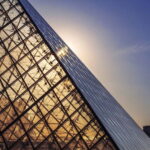
- Where you meet: Cour Napoléon, Louis XIV statue, and the Pyramid
- The included ticket: why it’s more than a cost-saver
- Your 2-hour plan inside: the highlights route that actually works
- Stop 1: the Louvre intro and how your guide frames the museum
- The best part: you’re not stuck in one room
- Mona Lisa at closing time: your best shot for photos and context
- Staying close matters
- Winged Victory and Venus de Milo: the statues you’ll remember
- Guide names you may encounter: why personalities matter in the Louvre
- Crowd reality check: hot rooms, tight corridors, and the August lesson
- Walking shoes and pacing: how to make the 1.5-hour museum time work
- Price and value: is $66.38 worth it?
- Who should book this closing-time Louvre tour
- Practical FAQ
- FAQ
- Is admission included for this Louvre tour?
- How long is the tour?
- What language is the tour offered in?
- Where do we meet the guide?
- What is the group size limit?
- Do I need food or drinks during the tour?
- Are there free admission options for some travelers?
- Should you book this tour?
Key things I’d plan around
- Late-afternoon timing for a calmer feel than the morning rush
- Admission included so you can concentrate on the art, not the ticket line
- Small group (max 20) for easier navigation and better viewing
- Mona Lisa focus with time designed to get you up close for photos
- Highlights route that also hits major sculpture icons like Winged Victory and Venus de Milo
Closing-time Louvre: what changes when the clock is ticking
Most people see the Louvre at peak hours and feel like they’re sprinting through rooms the size of train stations. This tour leans the other way: it’s scheduled for late afternoon, so you get a better chance at slower movement, shorter lines, and a museum that feels more human and less like a pinball machine.
You’re not wandering alone. You’re with a guide who points you toward the pieces that anchor the museum’s story. That matters in the Louvre, because without someone to connect the dots, it’s easy to feel overwhelmed by sheer scale and end up seeing only a small slice of what you planned to find.
And yes, the big star is the Mona Lisa. But the smarter part of the plan is that you’re not just chasing a single painting and hoping for the best. The tour is designed as a highlights circuit, so after you see the main magnet, you still have time to land on other famous works before you run out of daylight inside.
Other guided Louvre Museum tours in Paris



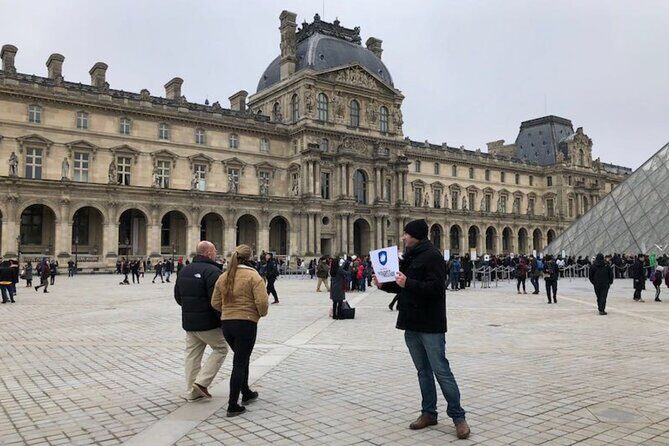
Where you meet: Cour Napoléon, Louis XIV statue, and the Pyramid
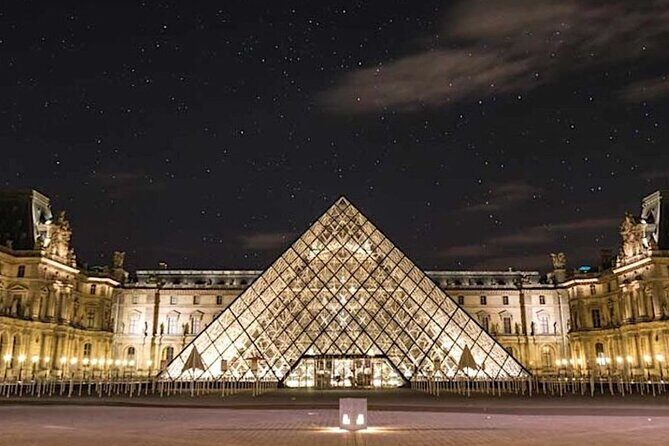
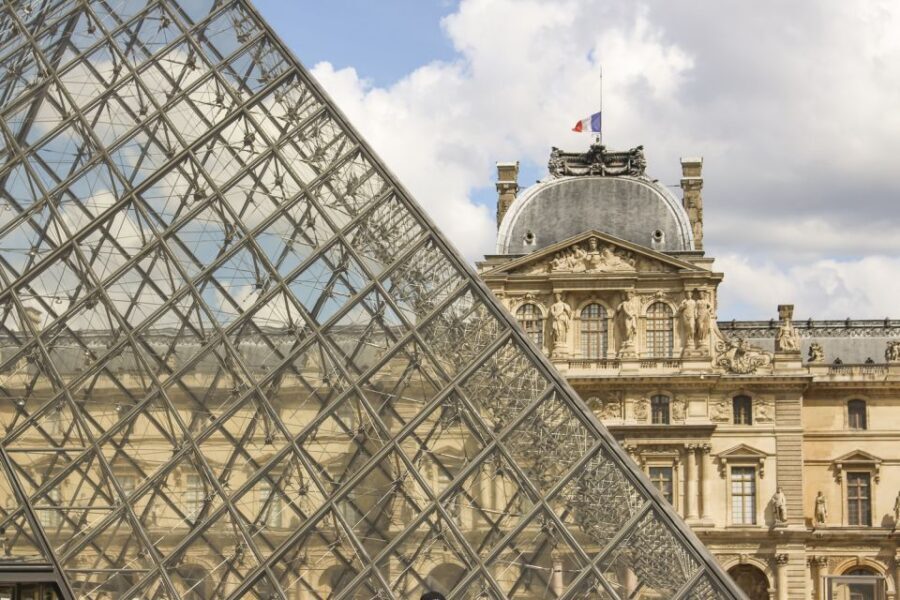
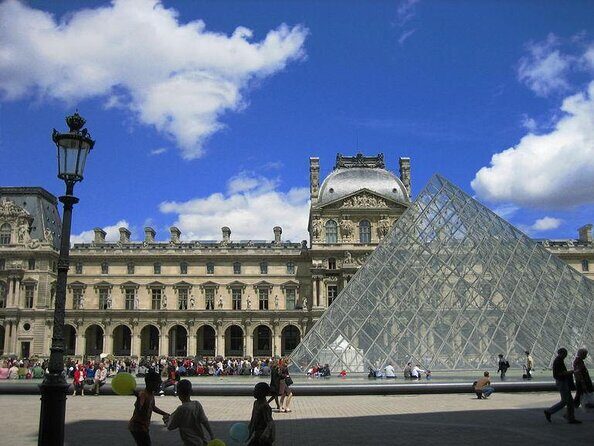
Your start point is right where you want it for an easy “find me fast” meet-up: the Louis XIV sous les traits de Marcus Curtius (copie) Cour Napoléon et Pyramide du Louvre area. In plain terms, that’s the courtyard and pyramid zone, in the heart of the museum complex.
This is useful because it reduces the guesswork that can happen when multiple tour groups cluster around similar entry points. Still, meeting instructions must be followed carefully. One of the headaches that can happen with any timed tour is simple: confusion about where to stand, or showing up too late when the guide is coordinating group entry.
My practical advice: arrive early, and if you’re traveling with someone who needs extra time (kids, limited mobility, hearing support), give yourself a wider buffer. One of the tour issues described in the wild is that guides hold tickets for the group, and late arrivals can cause real problems with timed entry.
The included ticket: why it’s more than a cost-saver
The tour includes afternoon access to the Louvre, and the museum admission ticket is part of the package. For non-EEA visitors, the museum ticket value listed is €32; for EEA visitors, it’s €22. That’s a straight-up benefit, because it means you’re paying for guided time plus the admission you’d otherwise have to arrange.
But the bigger win is timing. In a museum like the Louvre, minutes spent waiting can turn your “2 hours” into “about 90 minutes of productive seeing” in a hurry. With admission handled for your group, you can spend more of your limited tour window actually inside the galleries with the guide, which is where the highlights matter most.
Also, you’ll get a mobile ticket. That sounds convenient because it is, but it also means you should keep your phone charged and ready. If your ticket is time-sensitive, you don’t want a dead battery turning a simple scan into a stress test.
Your 2-hour plan inside: the highlights route that actually works
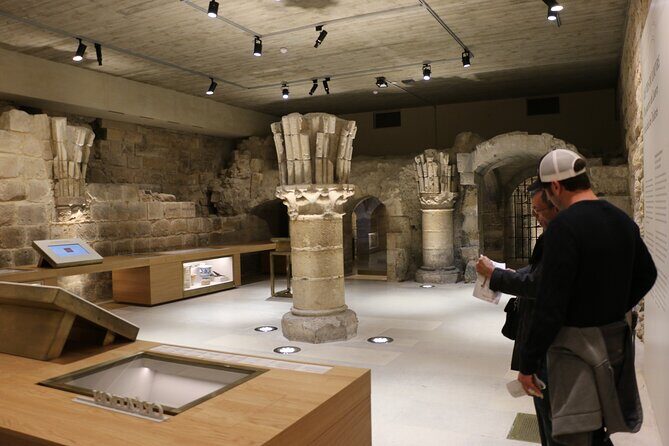
The tour is about 2 hours total, with about 1 hour 30 minutes dedicated to museum time. That format is the key: this is not a “see everything” Louvre. It’s a “see the big stuff and understand why it matters” sprint with structure.
Stop 1: the Louvre intro and how your guide frames the museum
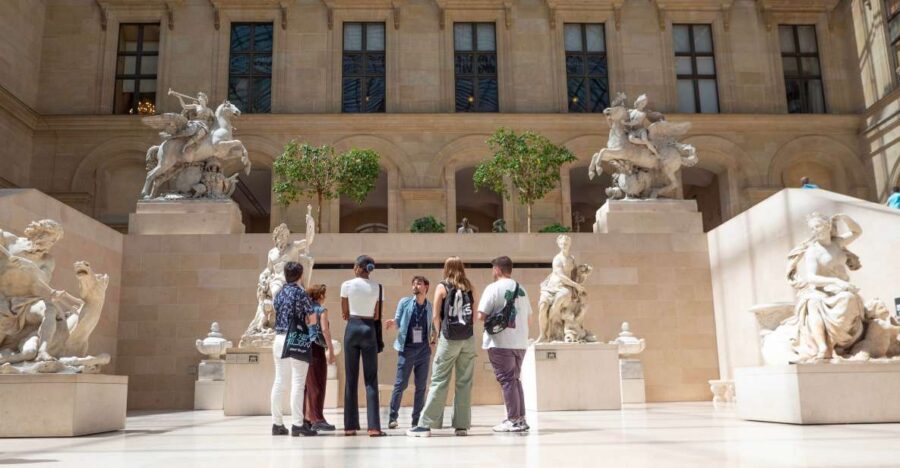
After you meet, you’re taken into the museum for a focused tour through major pieces and stories. The guide’s job is to give the museum context fast—how the Louvre began as a fortress and then evolved into a palace—so the art doesn’t feel random when you’re standing in front of it.
This is where guided time becomes valuable for first-timers. The Louvre is huge, and if you don’t know what you’re looking at, the museum can feel like a collection of famous names you’ve heard about but can’t connect. A good guide turns it into a sequence: this room leads to that era, this sculpture ties to this theme, and this painting belongs to this historical moment.
Other Mona Lisa tours at the Louvre






The best part: you’re not stuck in one room
A common problem with “highlight” visits is that people get stuck near the most famous object and waste the rest of their time drifting. This tour keeps you moving with purpose: you’ll see top sculpture and painting icons rather than spending your full time parked at one crowd magnet.
Mona Lisa at closing time: your best shot for photos and context
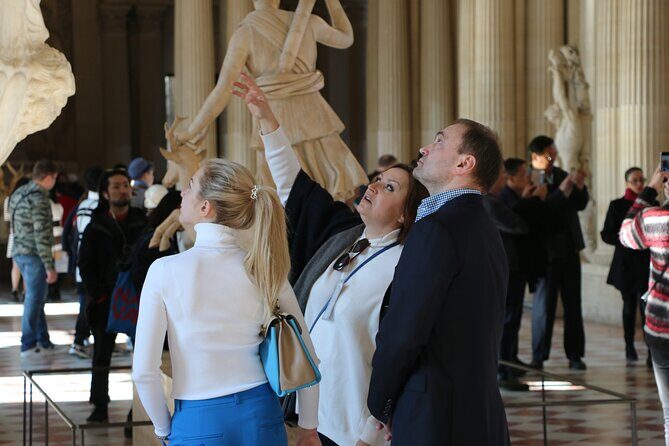
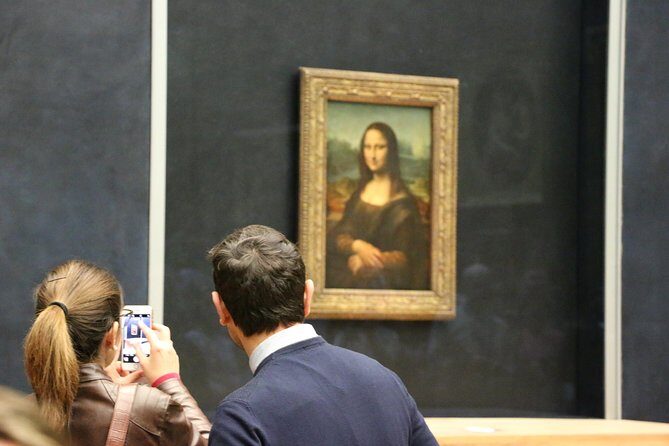
The Mona Lisa is always the busiest stop, even at late hours. So let’s be honest: no tour can erase crowd reality. What this tour tries to do is improve your odds by using late-afternoon timing and guiding you to the painting in a way that keeps you from losing time searching and wandering.
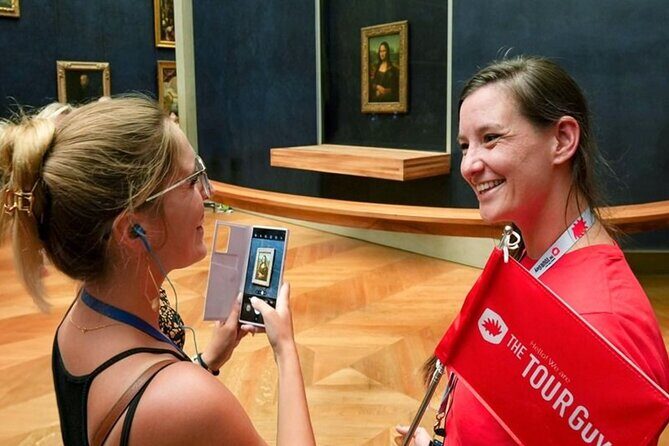
On this tour, the guide explains why the painting is so famous, including the detail that it’s among the most highly insured works of art, valued at around $800 million. That kind of fact doesn’t replace seeing the painting—but it does give you a mental anchor while you’re standing there, waiting your turn in the viewing area.
You’ll also get a chance to capture your own photo. That’s not guaranteed in every moment (crowds can always shift), but late-day tours tend to be more workable than peak times. The goal here is to get you in front of the Mona Lisa without turning your entire visit into a queue simulator.
Staying close matters
Some reviews described guide communication issues in busy sections. I’d treat that as a warning sign: near the Mona Lisa, the museum crowds thicken fast, sightlines change, and people drift. If you want the full experience, stay with your group and watch for your guide’s cues. If the guide pauses, you pause. That simple rule can be the difference between completing the route and missing it.
Winged Victory and Venus de Milo: the statues you’ll remember
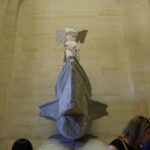
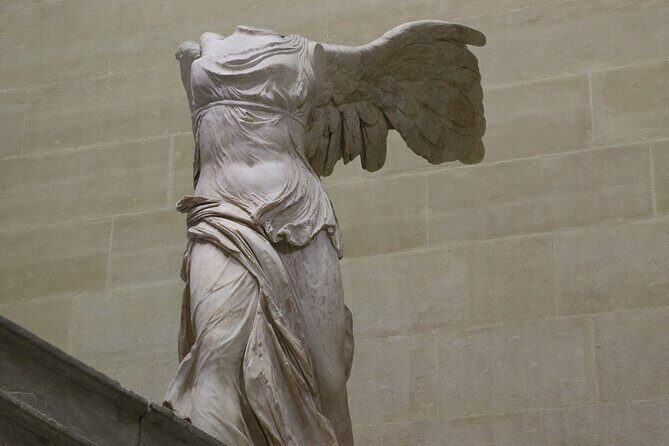
Part of what makes the Louvre feel like the Louvre is the sculpture collection. This tour includes two of the best-known classics:
- Winged Victory of Samothrace
- Venus de Milo
These works are famous because they’re powerful in person. Photos can’t show you the sense of movement in Winged Victory, or the presence and proportion in Venus de Milo. When you see them in the museum’s actual space, it’s easier to understand why they became reference points for generations of artists and visitors.
The other benefit of getting to these sculptures with a guide is that you’re less likely to stand there clueless. Your guide can point out what to look for and how the pieces fit into the larger story of the museum.
And since this is a structured, shorter tour, you don’t have to worry about turning sculpture viewing into a multi-hour detour. The route is designed so you can hit these icons while you still have energy.
Guide names you may encounter: why personalities matter in the Louvre
One thing that really shows up in real-world experiences is that guides can make or break a short museum plan. This tour uses an English-speaking guide with art history expertise, and the best ones turn a fast stop into something you actually talk about later.
Based on guide names shared from past tours, you might meet guides such as:
- Anastasia
- SID
- Will
- Nazle
- Tina
- Nadia
- Melissa
- Rowda
You might also notice variations in accent, voice clarity, and pacing depending on the guide. One review flagged that some communication may be harder to follow if the guide’s voice is muffled or the accent is heavy. If you rely on clear audio or you wear hearing aids, bring that consideration with you: position yourself where you can hear well, and don’t be afraid to ask your guide to repeat a key detail if you miss it.
Crowd reality check: hot rooms, tight corridors, and the August lesson
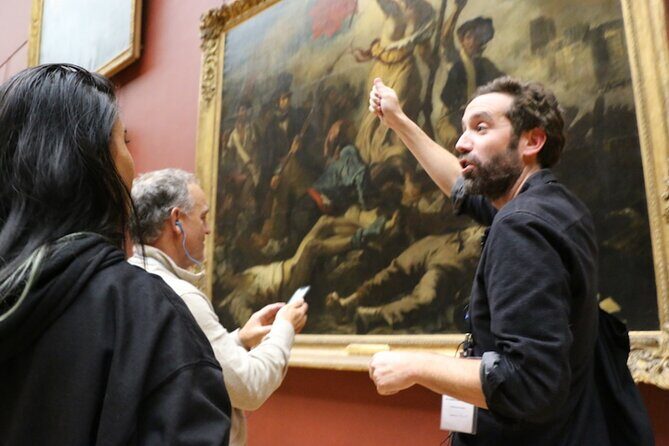
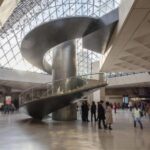
Even “closing time” does not mean quiet. It means you’re visiting after some peak pressure, when the museum can feel slightly more manageable. Still, the Louvre is famous for crowds in the most iconic zones.
One recurring theme in real experiences is that the museum can run hot and busy, especially in summer. That affects you in practical ways:
- You’ll want comfortable walking shoes.
- You may appreciate a light layer so you’re not miserable in airless corridors.
- You should hydrate before your start time, since food and beverages aren’t included.
The route is built for movement, not stopping forever. If you’re the type who needs long, slow viewing, you may feel a little rushed. But if your goal is to see the major works with guidance and then explore on your own later, this tour is a smart first move.
Walking shoes and pacing: how to make the 1.5-hour museum time work
This is a short tour, but it’s still the Louvre. You’ll be walking across multiple galleries, and you won’t have the luxury of pausing whenever something catches your eye for 20 minutes.
Here’s how I’d plan for success:
- Wear shoes you’d be happy in for a couple of miles.
- Keep your phone accessible for photos, but don’t yank your group attention into “stand still and scroll” mode.
- If you’re traveling with kids or anyone who needs breaks, mentally budget for shorter attention spans.
One reviewer described this as a great intro for a 12-year-old. Another said it was too much for kids in the end. That tells you the real truth: it can work for young art fans, but the museum is still a museum, and your group will only move as fast as your youngest member can handle.
Price and value: is $66.38 worth it?
At $66.38 per person for an afternoon slot, you’re paying for three things:
1) Admission included (museum ticket is listed as €32 for non-EEA visitors, €22 for EEA visitors)
2) Expert English-guided time focused on the highlights
3) A small group cap of 20, which usually makes a short museum tour feel more controlled
If you try to DIY this without a plan, you can spend time figuring out what entrance lane to use, where the “must-see” pieces are clustered, and how to avoid walking in circles. In the Louvre, that kind of time cost can be bigger than the price difference between a guided plan and a self-guided one.
Also, the tour is popular enough that it’s often booked around two months in advance on average. That’s a clue that the timing and format are attractive. If you want this specific closing-time idea, don’t treat it as something you can decide at the last minute.
Who should book this closing-time Louvre tour
This tour fits best if you want:
- A structured Louvre visit that hits the biggest names without requiring deep museum planning
- Better odds of seeing the Mona Lisa area without spending your entire visit stuck in one spot
- An English-speaking guide and a group size that stays small enough to feel guided
It’s especially useful for first-timers. The Louvre has a way of making you feel small, even when you’re just trying to find one painting. Guided highlights can fix that fast.
It can also work well for families when kids are old enough to handle short, focused storytelling and a bit of walking. But if your group includes very young kids or anyone who needs a lot of slow, quiet time, you might find the pace harder.
Practical FAQ
FAQ
Is admission included for this Louvre tour?
Yes. Afternoon access to the Louvre is included, and the museum admission ticket is part of the tour price.
How long is the tour?
The tour runs for about 2 hours total, with about 1 hour 30 minutes inside the museum.
What language is the tour offered in?
The tour is offered in English.
Where do we meet the guide?
You meet at Louis XIV sous les traits de Marcus Curtius (copie), Cour Napoléon et Pyramide du Louvre, 75001 Paris, France, and the tour ends back at the same meeting point.
What is the group size limit?
The tour has a maximum group size of 20 travelers.
Do I need food or drinks during the tour?
Food and beverages are not included, so you should plan accordingly.
Are there free admission options for some travelers?
Free admission applies to visitors under 18 and to EEA residents under 26, with valid ID and proof of residency.
Should you book this tour?
I’d book it if your priority is a focused Louvre visit with admission handled and a plan that brings you to the Mona Lisa and major sculpture highlights in a shorter, late-afternoon window. It’s a strong way to get your bearings quickly and still have time to feel the museum instead of just chasing it.
Skip it if you hate crowds no matter the hour, or if your group needs long pauses and unstructured time. In that case, you’ll likely want a different style of visit where you can slow down and linger without worrying about the group pace.
If you do book, arrive a bit early for the meet-up and stay close in the busiest rooms—especially around the Mona Lisa—so you actually get the complete route the tour is designed to deliver.