REVIEW · PARIS
Mona Lisa & Louvre Masterpieces Tour with Reserved Access
Book on GetYourGuide →Operated by City Wonders Ltd. · Bookable on GetYourGuide
One of the fastest ways into the Louvre. I love the reserved access setup and the way the expert guide keeps you moving from one must-see to the next without getting swallowed by crowds. The big catch is timing: the museum is huge and the pace is designed to hit key works, so you may want extra time to linger.
If you’re there for a first trip (or a short one), this is a strong “highlights plus context” plan. Do wear good shoes, because you are on your feet for a while, and you will do your fair share of standing to get the best views.
In This Review
- Key things I’d circle before you go
- Meeting at Arc de Triomphe du Carrousel, then straight to the Louvre Pyramid
- Reserved access and security: how the “skip the line” part really works
- Louvre highlights with an expert English guide (and headsets that matter)
- The route inside: from Renaissance drama to classical sculpture
- Da Vinci and Renaissance masterpieces
- Caravaggio and Michelangelo: drama, craft, and scale
- Greek and Roman antiquities: your classical reality check
- Apollo Gallery and Napoleon Apartments: royal Paris under one roof
- The Dying Slave, Psyche Revived, and the joy of seeing sculpture up close
- Free time after the guided tour: how to use your extra hours
- Optional wine and cheese upgrade: a smart way to end the museum day
- What it costs, and why it can be good value at $80
- Who this tour suits best (and who should rethink it)
- Notable guide energy: what shows up again and again in the reviews
- Should you book this Mona Lisa & Louvre Masterpieces Tour?
- FAQ
- Where do I meet for the tour?
- Is there reserved access and a ticket included?
- How long is the tour, and is there free time?
- What major artworks and collections does the tour focus on?
- Is the wine and cheese tasting included?
- What should I bring, and what can’t I bring?
Key things I’d circle before you go
- Reserved entry plus a timed route so you spend less time stuck and more time looking
- Headsets so you can actually hear your guide in busy galleries
- A real art-history sprint through painting, sculpture, and antiquities (not just selfies)
- Mona Lisa built into the route with practical help for crowd flow
- Two-part visit: guided touring, then free time to wander on your own
- Optional wine and cheese upgrade after the tour for a satisfying Paris pause
Meeting at Arc de Triomphe du Carrousel, then straight to the Louvre Pyramid
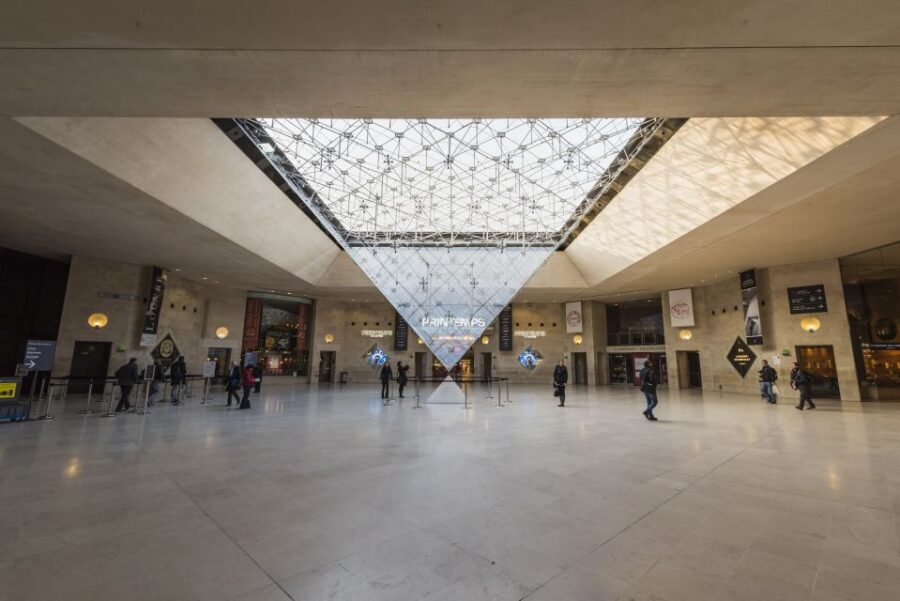
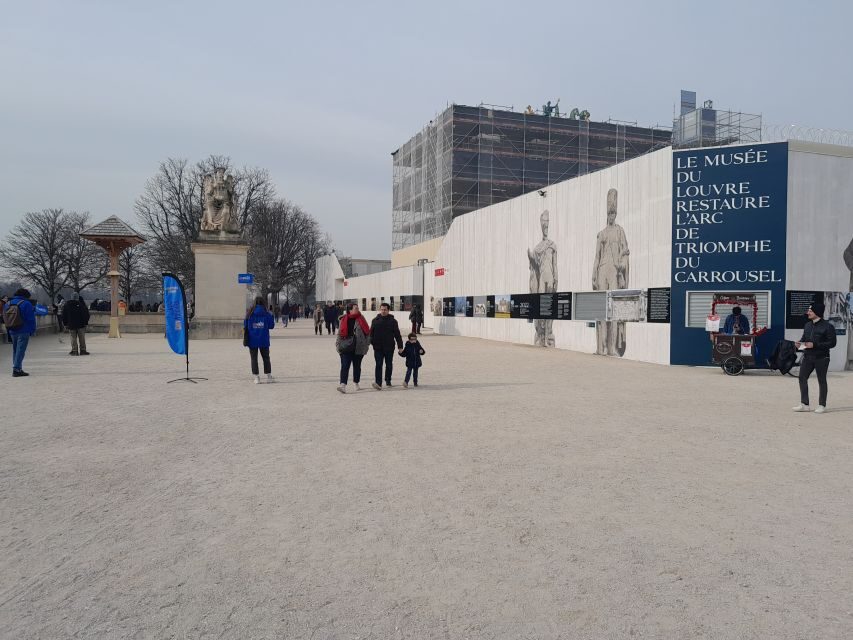
The day starts at Arc de Triomphe du Carrousel, not at the Louvre entrance. The coordinators stand to the left of the arch along the wall railing. Quick navigation trick: if you stand with your back to the Louvre Pyramid entrance, you can spot the arch across the road, just before the Tuileries Garden entrance.
This matters more than it sounds. Getting the meeting point right avoids that awkward late scramble. And because the group gathers outside, you’re already oriented to the area before the museum chaos begins.
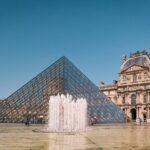
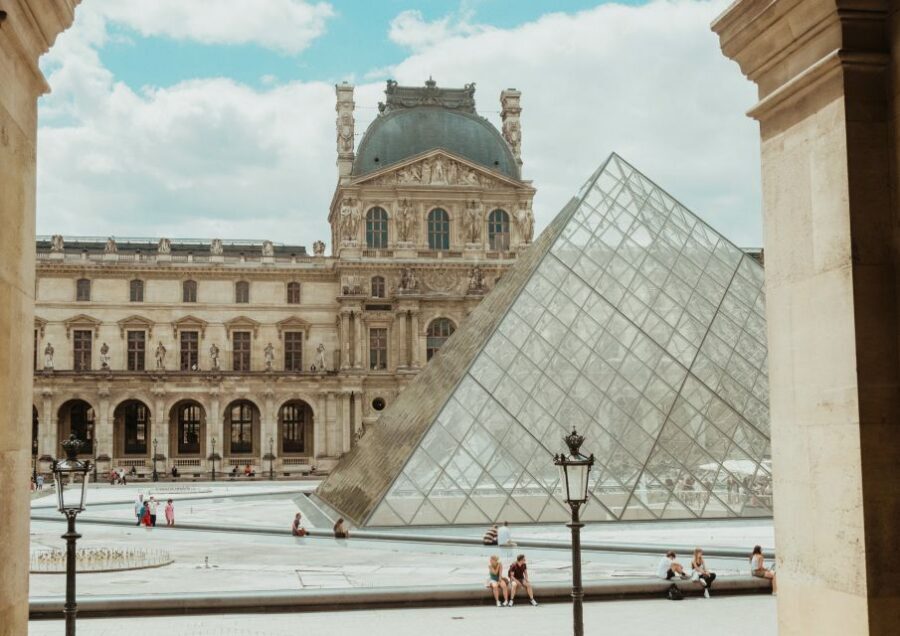
From there, you head to the Louvre Pyramid for a photo stop and a short guided introduction (about 30 minutes total at this first stop). This is when the guide typically sets expectations for the museum layout and how your route will work once you’re inside.
Other skip-the-line Louvre tickets in Paris


Reserved access and security: how the “skip the line” part really works
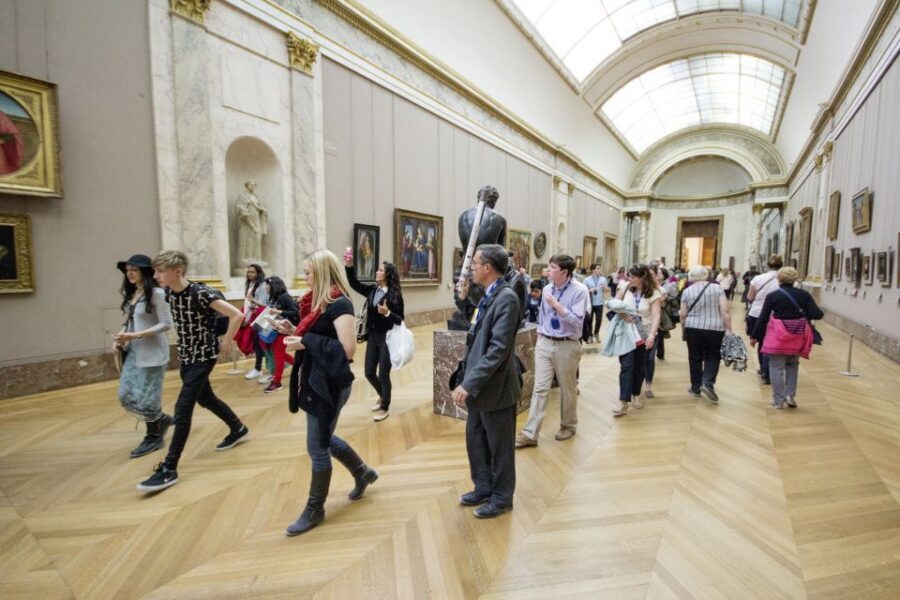
This tour includes pre-reserved access and your entrance ticket, which is the main reason it’s worth considering. You’re not waiting through the slow, unpredictable start queues in the same way you would if you showed up without a timed entry.
Still, keep one reality in mind: you must pass security like everyone else. Reserved entry helps with the main ticketing flow, but it doesn’t erase metal detectors, bag checks, and crowd control.
Also note what’s not allowed: no baby strollers, no luggage or large bags, and anything over 55 x 35 x 20 cm won’t make it through the museum. If you travel light, you’ll feel less stressed and move faster.
Louvre highlights with an expert English guide (and headsets that matter)
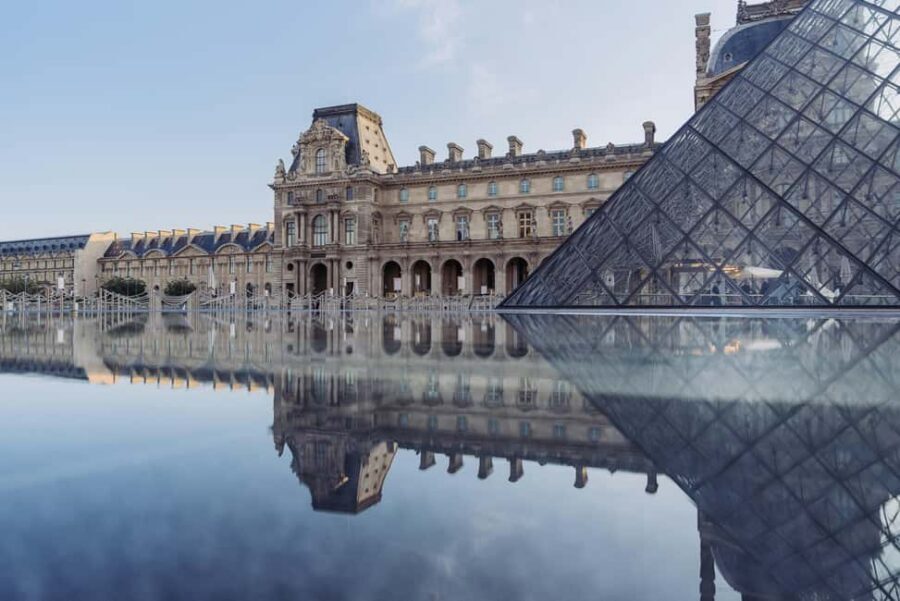
The guided portion is about 2.5 hours, and the best part is that it’s built around seeing “the big names” while also learning what makes them tick.
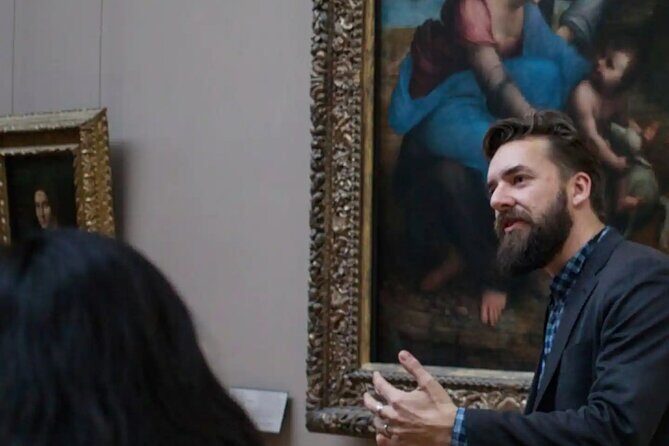
You’ll get an English-speaking guide and a personal headset, which is a huge deal in the Louvre. In rooms packed with school groups and tour crowds, headsets are the difference between hearing the story and just hearing background noise.
Based on the tour’s focus, you’ll likely hit a sequence like this:
- iconic painting moments (including Da Vinci’s Mona Lisa)
- major Renaissance and Baroque figures such as Caravaggio and Michelangelo
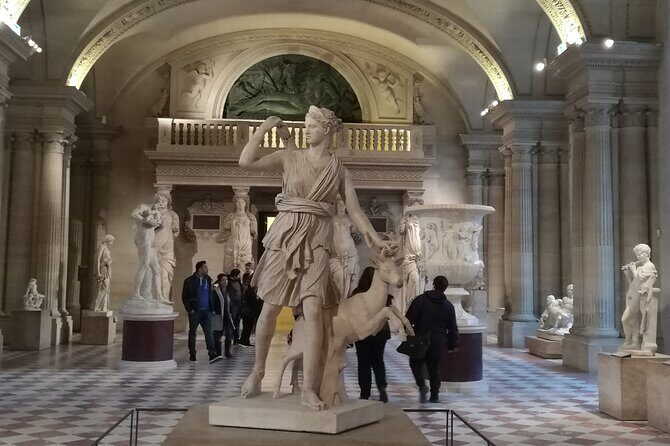
- classical sculpture highlights such as Venus de Milo and the Winged Victory of Samothrace
- deeper cuts into Greek and Roman works, including the Great Sphinx of Tanis (over 4,000 years old)
- more sculptural stars like Michelangelo’s Dying Slave and Canova’s Psyche Revived by Cupid’s Kiss
Why I like this format for you: the Louvre can feel like a visual blender. A guide gives you mental anchors—what to notice in each work and why it mattered to the people who made it.
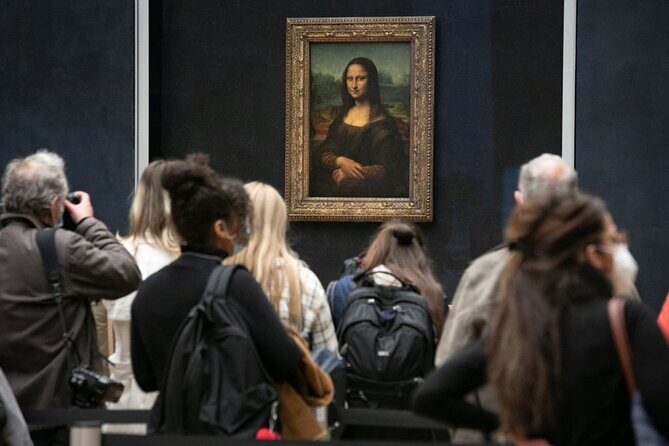
It also helps with the one problem everyone runs into: seeing Mona Lisa can be tricky because of how people cluster around it. Guides on this tour are repeatedly praised for crowd handling and for helping you get the best viewing moment without losing the group.
The route inside: from Renaissance drama to classical sculpture
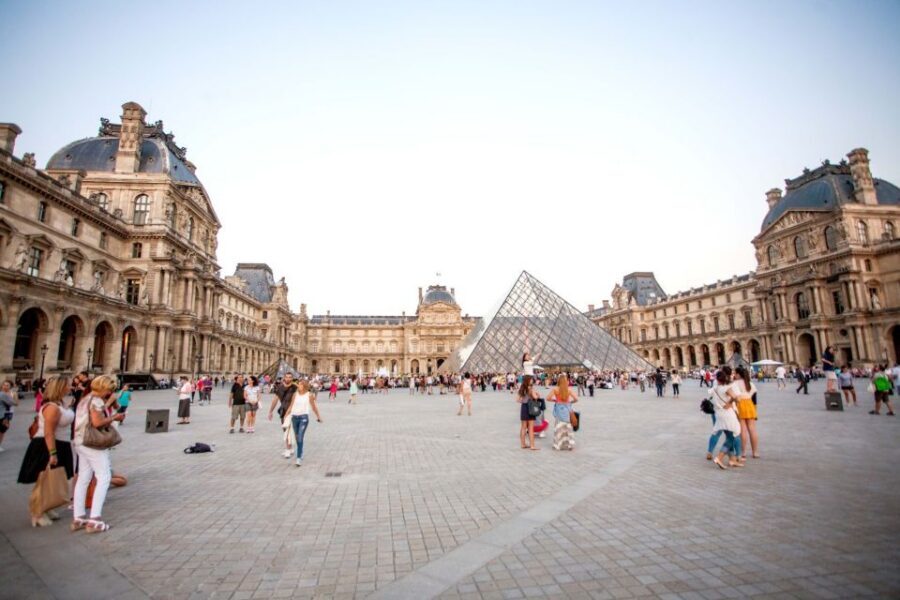
The Louvre isn’t just one museum collection. It’s an empire of rooms, and this tour tries to connect the dots across eras.
Here’s how the included art themes can land for you:
Da Vinci and Renaissance masterpieces
You’ll spend time on major painting and Renaissance-era works, with Mona Lisa as the emotional centerpiece. You’ll also encounter works tied to the broader Renaissance spotlight, including names like Raphael. This doesn’t turn into a lecture hall. In the feedback I saw, guides are praised for explaining details in a way that makes laypeople feel like they’re getting more than just labels.
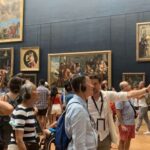
One real-life note: at Mona Lisa, the painting is famous for a reason, but it’s also surrounded by intense crowd pressure. If you expect a quiet, long stare, you might feel a little impatient. The upside is that the guided setup helps you reach it efficiently and understand what you’re looking at once you’re there.
Other Mona Lisa tours at the Louvre




Caravaggio and Michelangelo: drama, craft, and scale
Seeing Caravaggio and Michelangelo in the same guided pass is smart. Caravaggio’s intensity can read differently once you’ve learned a little about his lighting and mood. Michelangelo’s sculpture and painting presence also makes more sense when you’ve seen the museum’s larger story about patronage, power, and artistic ambition.
A few guides in the feedback stood out for pacing you through busy galleries without feeling like you’re being rushed past everything. Some also helped group members find a comfortable viewing spot rather than treating each artwork as a quick stop.
Greek and Roman antiquities: your classical reality check
The tour doesn’t just list classical art; it uses major anchors like:
- Venus de Milo
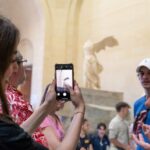
- Winged Victory of Samothrace
- the Great Sphinx of Tanis
This is where you get a different kind of wow. These works hit you with presence. In a museum full of paintings, the large-scale sculpture galleries can feel like a reset button—suddenly you’re thinking about craft, material, and the body in motion, not just brushwork.
Apollo Gallery and Napoleon Apartments: royal Paris under one roof
Two parts of the tour focus on the Louvre as a former royal complex, not just an art container:
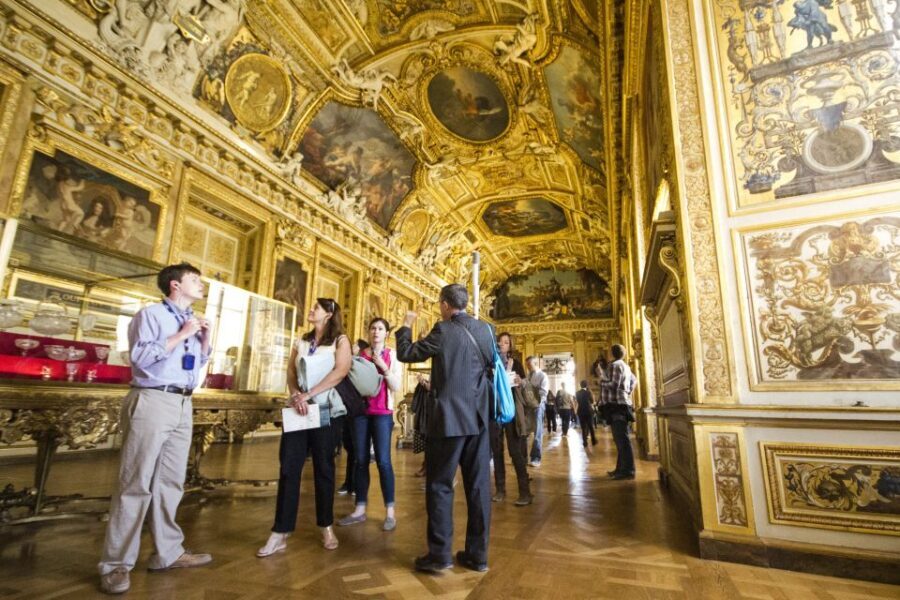
- the Apollo Gallery, tied to the Louvre’s royal heritage
- the Napoleon Apartments, where the opulent décor of the Second Empire era remains frozen in time
Why this is valuable: even if your main goal is famous artworks, the Louvre’s “who lived here” story changes how you feel inside the building. You’re not just touring an art warehouse—you’re moving through spaces that were built for ceremony and display.
Guides often connect these rooms to the bigger theme of art as status. That context is what makes the museum feel less random and more like a deliberate, centuries-long machine.
The Dying Slave, Psyche Revived, and the joy of seeing sculpture up close
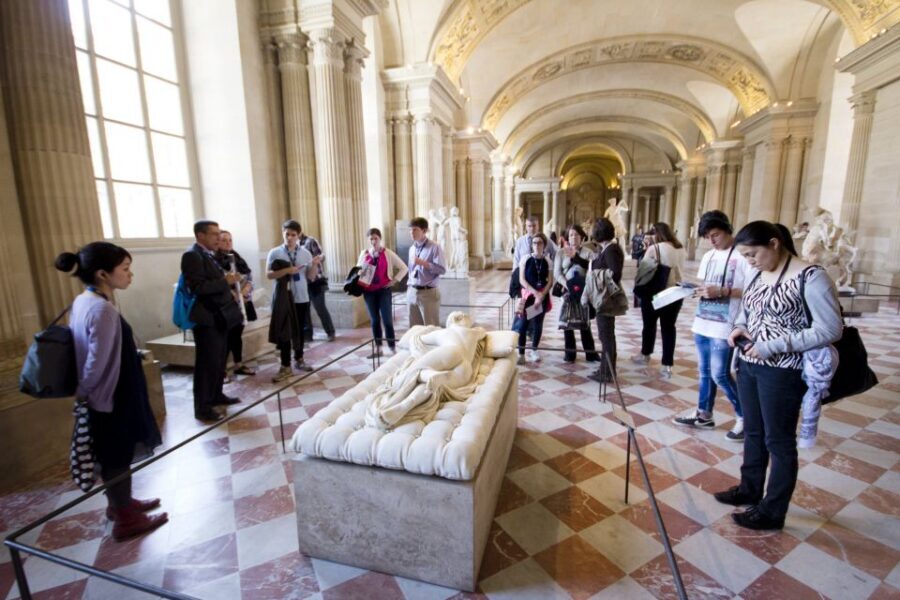
If you’re into sculpture, this tour has strong momentum. Included works like Michelangelo’s Dying Slave and Canova’s Psyche Revived by Cupid’s Kiss are perfect examples of why a guided route helps.
Sculpture rewards you when you know what to look for:
- tension in the body
- the emotional expression
- how light shifts across surfaces
In the feedback, guides were praised for balancing big-picture storytelling with concrete details, so you’re not just walking past a statue wondering why everyone cares.
Also, you’ll probably spend time in areas where the crowd density changes quickly. A good guide helps you time your viewing so you’re not constantly getting bumped or forced to look from far away.
Free time after the guided tour: how to use your extra hours
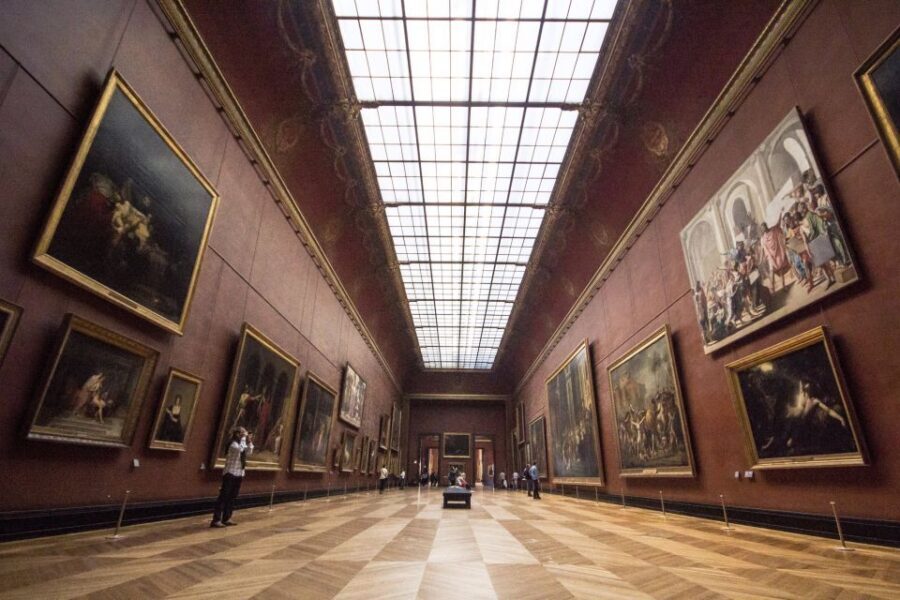
After the main tour, you get about 2 hours of free time. This is where you can correct for your own taste.
Here’s a practical way to use it:
- Return to the works you liked most during the guide portion.
- If you want more paintings, aim for the areas your guide flagged rather than wandering randomly.
- If you’re exhausted, take a short sit-and-look break. The Louvre is draining in the best way, and a rest keeps you from rushing through the last hour.
The route structure is helpful because you leave with a clearer museum map in your head. You’re not starting from zero.
Optional wine and cheese upgrade: a smart way to end the museum day
If you choose the upgrade, your guided tour ends and you’ll join a wine and cheese tasting at a high-end Parisian wine bar in central Paris. You’ll get fine wines paired with artisanal cheese and charcuterie.
This works well for two reasons:
- It’s a natural decompression after standing and walking.
- It turns the day from pure sightseeing into a Paris rhythm—food, conversation, and a slower pace.
I like this add-on especially if you have a tight schedule. It gives your day a satisfying landing point instead of ending with only museum fatigue.
What it costs, and why it can be good value at $80

At $80 per person (for a 3-hour / about 210-minute experience), you’re paying for more than a ticket. What you get includes:
- reserved access and your entrance ticket
- a guided route with an English-speaking expert
- headsets so you can follow the story
- the time savings of not doing the museum’s most chaotic start on your own
In plain terms: the Louvre is one of those places where “cheaper” often turns into “I spent half my day trying to find the start of the museum.” Paying for the structure helps you see the targets—Mona Lisa, Venus de Milo, Winged Victory, plus additional big names—without feeling lost.
If you’re an art-history person, you’ll get more out of the explanations. If you’re not, the guided highlights still do the job: you’ll leave knowing what mattered and what to return to.
Who this tour suits best (and who should rethink it)
This tour is a strong match if:
- you want the Louvre’s top hits in a manageable time window
- you like structure and facts, but still want to enjoy the art in person
- you’re visiting for the first time and don’t want to spend your day guessing where to go
- you appreciate a guide who can handle crowd flow (many guides are praised for doing exactly that)
It may feel less ideal if:
- you want a slow, museum-stroll pace (this tour is designed for highlights)
- you need extended time at each artwork rather than a timed overview
- you have mobility limitations, since the tour involves a fair amount of walking and is listed as not suitable for mobility impairments or wheelchair users
Notable guide energy: what shows up again and again in the reviews
You’ll notice a pattern in the feedback: guides are repeatedly described as friendly, patient, and able to explain artworks in a way that keeps your attention. A few names come up often—Saeed, Hugo, Juliette, Omar, Summer, Addie, Cristal, Abed, Anais, Mariam, and Hamish—and many comments focus on how effectively they handled crowds.
One helpful detail that kept appearing: guides make space for you to see the works instead of treating the tour like a conveyor belt. Some also help with logistics in practical ways, like making sure the group stays together.
Even with the praise, I’d keep your expectations realistic: you’ll get a top-tier overview, not a 3-day museum education. The free time afterward is your chance to slow down.
Should you book this Mona Lisa & Louvre Masterpieces Tour?
Book it if you want a smart first Louvre hit with reserved access, an English guide, and a route that brings together painting, sculpture, and classical antiquities without wasting your day in queues. It’s a good deal at $80 because the ticket-plus-guide combination saves time and gives you context you won’t get from wandering alone.
Skip it (or consider a different style of tour) if you strongly prefer quiet viewing, long stops, or a slower pace. The Louvre needs that kind of time, and this tour is built for efficiency.
If you’re traveling with limited time in Paris, this is one of the best ways to make sure you don’t leave the Louvre still thinking you mostly saw hallways.
FAQ
Where do I meet for the tour?
You meet at Arc de Triomphe du Carrousel, not at the Louvre entrance. Coordinators in blue attire stand to the left of the arch along the wall railing.
Is there reserved access and a ticket included?
Yes. Your experience includes pre-reserved access and the entrance ticket to the Louvre, plus the skip-the-ticket-line benefit.
How long is the tour, and is there free time?
It runs for about 3 hours (210 minutes) total. The guided tour is roughly 2.5 hours, followed by about 2 hours of free time in the Louvre.
What major artworks and collections does the tour focus on?
Expect to see Mona Lisa, Venus de Milo, Winged Victory of Samothrace, and classic Greek and Roman works including the Great Sphinx of Tanis. Sculpture highlights mentioned include Michelangelo’s Dying Slave and Canova’s Psyche Revived by Cupid’s Kiss. You also visit areas tied to royal heritage like the Apollo Gallery and the Napoleon Apartments.
Is the wine and cheese tasting included?
It’s included only if you select the upgrade option. The tasting happens after your guided tour at a wine bar in central Paris and includes wine paired with artisanal cheese and charcuterie.
What should I bring, and what can’t I bring?
Bring comfortable shoes. Don’t bring baby strollers or luggage/large bags, and items larger than 55 x 35 x 20 cm are not permitted. Also plan for security checks before entering the museum.