REVIEW · PARIS
Paris: Private Skip-the-Lines Orsay and Louvre Museum Tour
Book on GetYourGuide →Operated by Tour Travel & More · Bookable on GetYourGuide
A long art line can ruin your mood. This private 5-hour route pairs the Musée d’Orsay and the Louvre with skip-the-line entry and a guide who keeps everything focused and human-scale. I like that you get expert context for big-name works, not just a walk-through.
Second, I love that the order makes sense for your eyes and your brain. You start with Impressionism and Post-Impressionism at Orsay, then cross over to the Louvre for a sweep from ancient civilizations toward the 14th century. It’s a smart way to travel through time without feeling lost.
One thing to consider: even with skip-the-line entry tickets, you may still face some waiting at the museums before you actually get inside. Plan for that reality, especially at peak hours.
In This Review
- Key takeaways before you go
- Private Orsay + Louvre in 5 hours: what the format gets right
- Starting in central Paris: pickup, pace, and how the walk works
- Musée d’Orsay: Impressionism and Post‑Impressionism in a former station
- What you’ll actually get from seeing Orsay first
- The one drawback of Orsay pacing
- Crossing to the Louvre: moving from 19th-century art to centuries of collection
- Louvre highlights you can’t miss: how to find meaning fast
- The practical way your guide helps you
- Skip-the-line entry tickets: what it really means for your time
- The guide factor: why private feels better than speed-running
- Price and value: is $467 per person worth it?
- Who should book this Orsay + Louvre private tour
- A few on-the-ground tips to make the most of 5 hours
- Should you book? My straight answer
- FAQ
- How long is the private Orsay and Louvre tour?
- Does this tour include skip-the-line entry tickets?
- Where does pickup happen?
- What languages are available for the live guide?
- Is transportation included?
- What’s the cancellation policy?
- Is the tour wheelchair accessible?
Key takeaways before you go
- Two museums, one private guide: you set the pace and you get answers in real time
- Orsay first, then the Louvre: a natural flow from 19th-century art into the Louvre’s deep timeline
- Skip-the-line entry tickets: less time buying tickets, and usually less crowd friction
- Focus on major masterpieces: including works tied to Mona Lisa and key Impressionist/Post-Impressionist artists
- Central pickup options: meets you at your hotel or near Orsay for a smoother start
Private Orsay + Louvre in 5 hours: what the format gets right
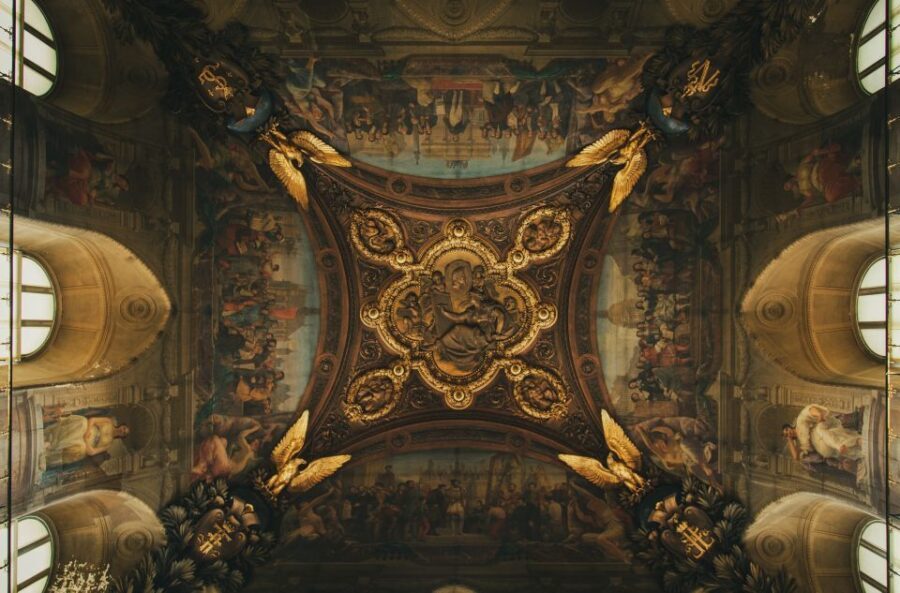
This is a private walking tour designed for people who want the highlights without spending your whole day trapped inside a museum maze. The goal is simple: see two of Paris’s most iconic collections, move efficiently, and understand what you’re looking at as you go.
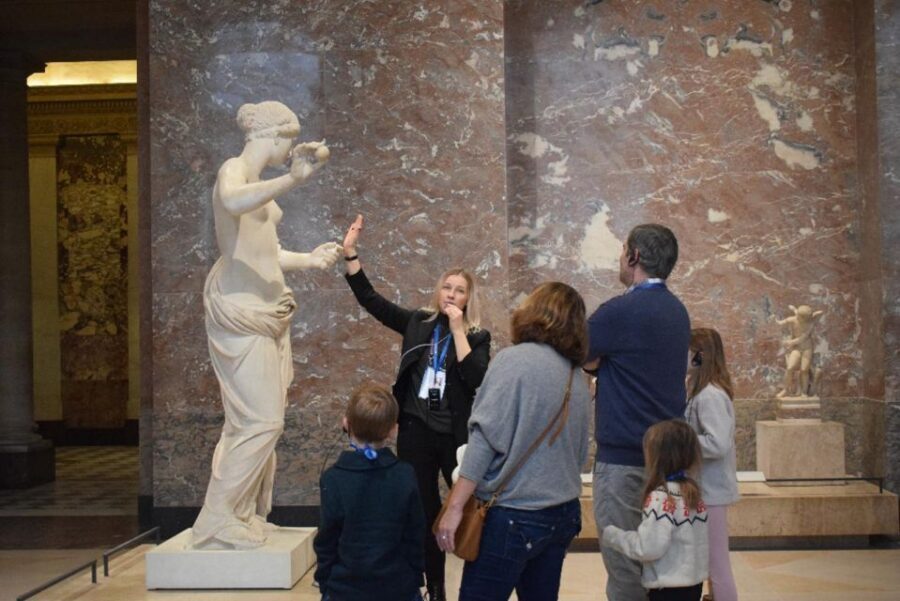
The private setup matters. With a small, personal group (it’s private), your guide can steer you toward what you care about—Impressionism vs. Old Masters, portraits vs. landscapes, techniques vs. history. That’s the difference between hearing facts and actually using them while you’re standing in front of the painting.
And the time window is the other big deal. At 5 hours, you can experience both museums in one day, which is a real advantage if you only have a short Paris visit. You’re not “checking boxes.” You’re getting a curated visit that still feels like wandering, just with a map in your head.
Other Louvre and Musee d'Orsay combo tours in Paris



Starting in central Paris: pickup, pace, and how the walk works
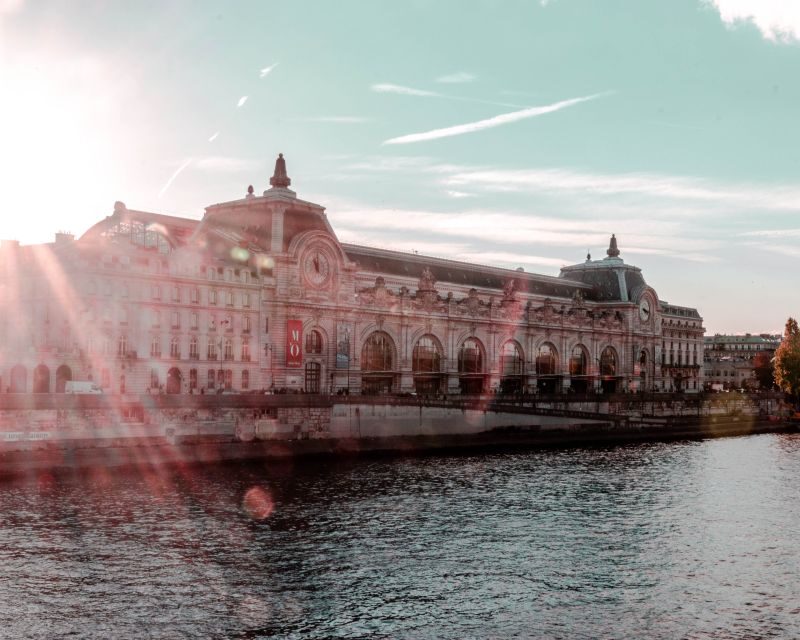
You’re picked up at your centrally located hotel in Paris, or the guide meets you in front of the Orsay Museum depending on what fits best. That reduces wasted time at the start—especially helpful if you’re juggling museum entry times, reservations, or just trying not to over-plan your first morning.
From there, the tour begins as a walking route guided by your private guide. There’s no mention of private transportation, so think of this as a city walk day. It’s a good option if you’re comfortable navigating on foot and want the experience to feel like a real Paris day, not a bus tour.
Languages are Spanish, English, and French, which is great if you want explanations in your comfort zone. Your guide’s job is to translate big art ideas into something you can see right now—like how Impressionists used light, color, and brushwork to make modern life feel immediate.
Musée d’Orsay: Impressionism and Post‑Impressionism in a former station
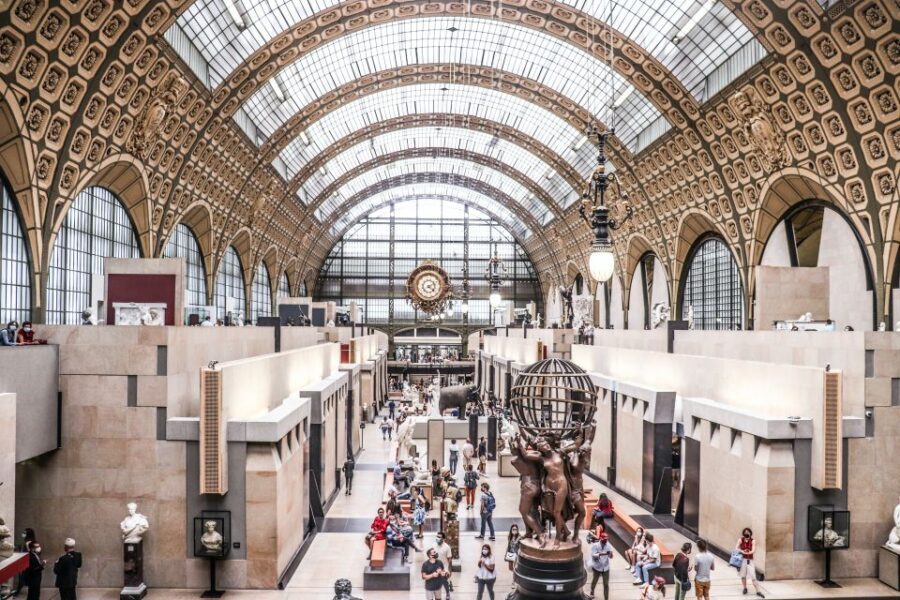
Your first stop is the Musée d’Orsay, right along the Seine. The building itself helps set the mood: it’s not a blank box museum. It has the energy of a landmark, and that makes the art feel even more present when you’re inside.
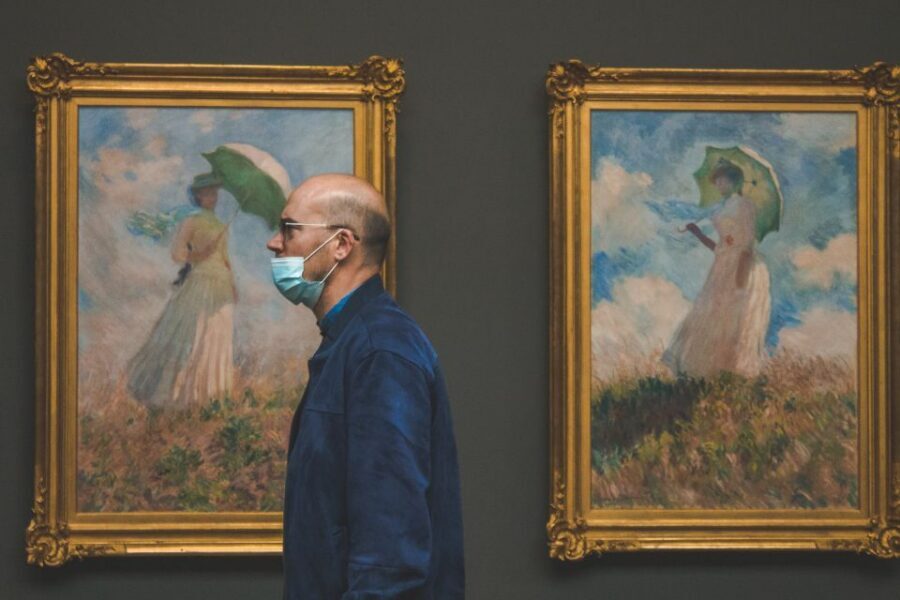
Orsay is famous for housing the largest collection of Impressionist and Post‑Impressionist masterpieces. On this tour, your guide doesn’t treat the galleries like a checklist. Instead, you’ll move through memorable halls and focus on major names such as Claude Monet, Gustave Courbet, Edgar Degas, Édouard Manet, Vincent van Gogh, and Paul Cézanne.
What you’ll actually get from seeing Orsay first
Starting at Orsay first is a smart sequencing move. These artists cluster around a period of intense change—new ways of seeing, painting, and representing modern life. When you begin there, the Louvre later won’t feel like the first museum you’re trying to decode.
A practical benefit: Orsay is easier to “read” in a short visit because the theme is tighter. You’re mostly in the world of 19th-century painting, so your guide can connect dots across works—color choices, subject matter, and how each artist fits into the next.
The one drawback of Orsay pacing
With a 5-hour tour that includes two museums, you won’t have unlimited time in every gallery. That’s not a flaw—it’s a trade. If you’re the type who likes lingering 20 minutes per painting, you’ll need to accept a faster pace here and save extra time for your must-sees on a separate visit.
Other private tours in Paris





Crossing to the Louvre: moving from 19th-century art to centuries of collection
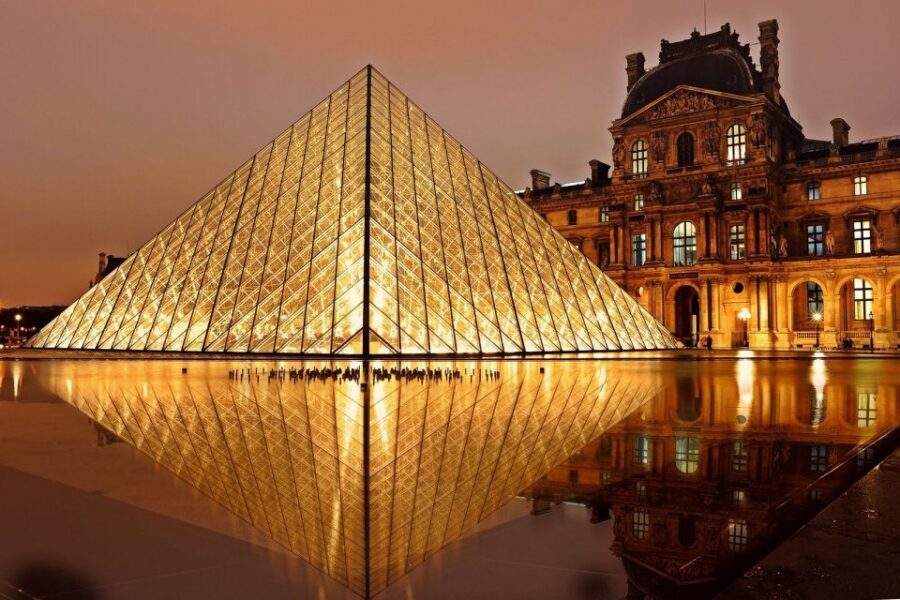
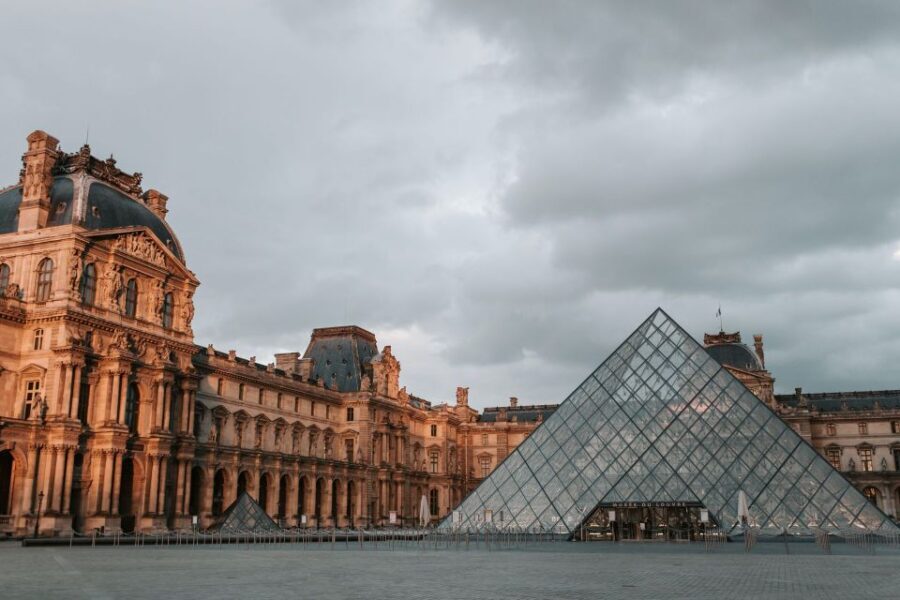
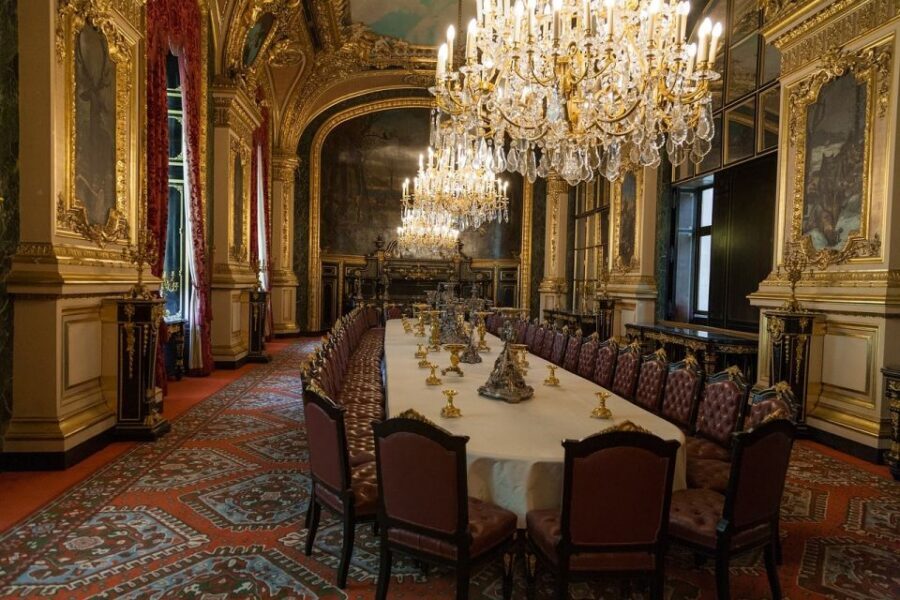
After Orsay, you cross the bridge of arts and arrive at the Louvre Museum, known as the most visited museum in the world. That phrasing can sound dramatic, but the real reason it’s useful is crowd math: the Louvre can feel overwhelming fast, even for seasoned museum-goers.
That’s where your guide earns their fee. Without guidance, it’s easy to bounce between rooms and miss the story. With a plan, you get a structured route through the biggest ideas in the collection.
Your Louvre visit focuses on works spanning from ancient civilizations to the middle of the 14th century. In other words: you’re not only seeing “famous paintings.” You’re seeing how different eras lived, believed, and made images that still shape Western art today.
Louvre highlights you can’t miss: how to find meaning fast
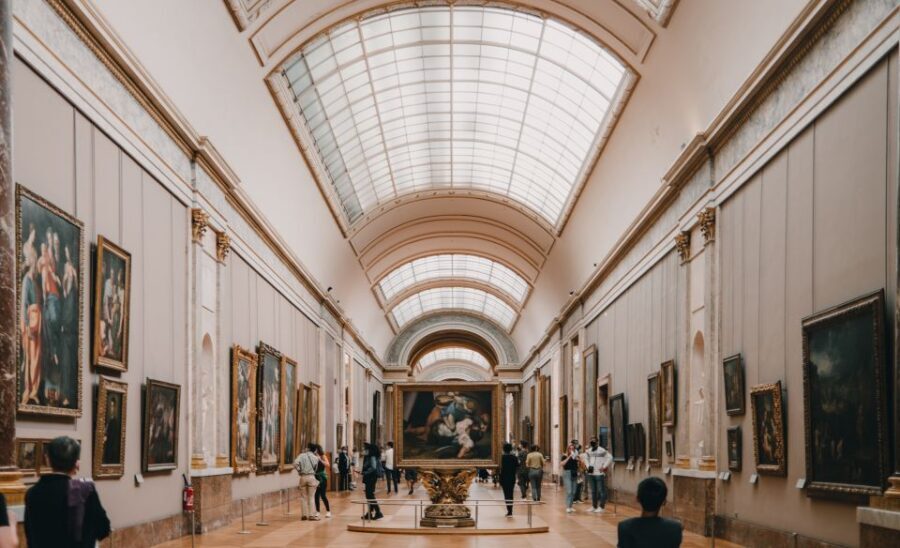
The Louvre’s collection is enormous, so the “value” of a guided highlight tour is not just famous objects—it’s how your eyes learn to move.
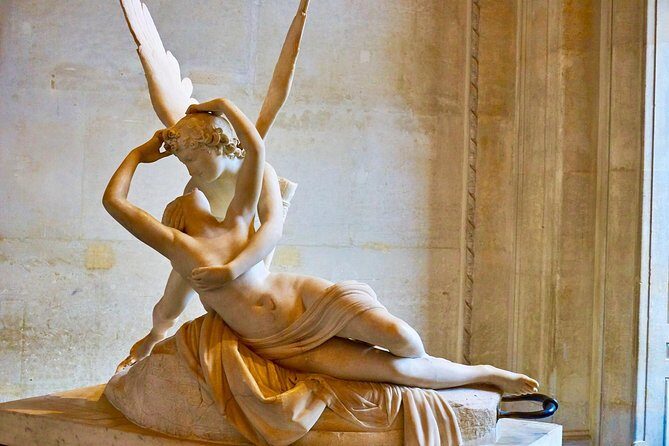
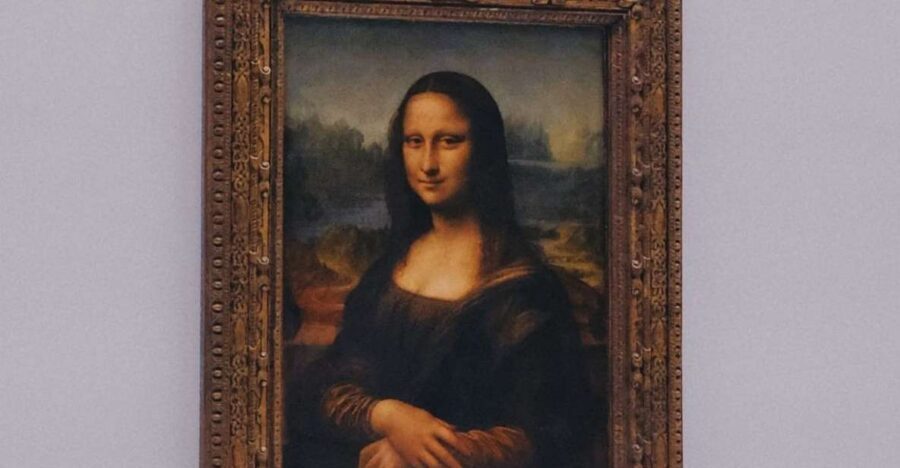
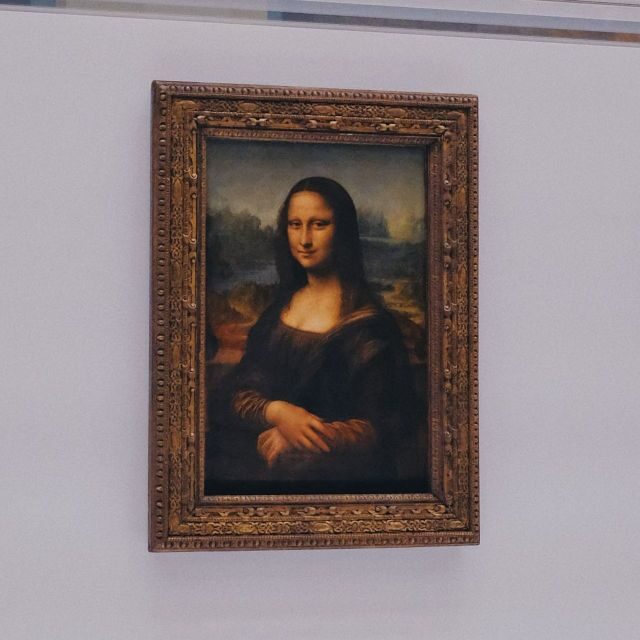
One of the biggest anchors is the Mona Lisa by Leonardo da Vinci. In a short visit, getting to see it at all matters, but the real benefit is understanding what you’re looking at in context—why this painting became such a cultural magnet.
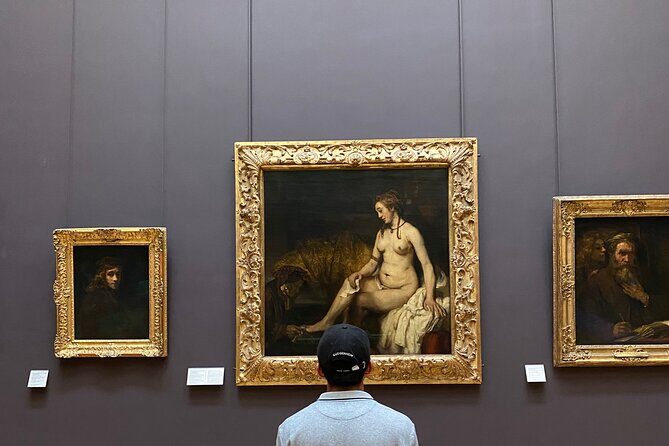
You’ll also encounter prominent names like Jacques-Louis David, François Boucher, and Hans Holbein. Each of these artists represents a different slice of the Louvre’s timeline and style. Your guide’s job is to help you notice the differences quickly: composition, theme, and the kind of storytelling each era preferred.
The practical way your guide helps you
In a museum this big, the hardest part is not walking—it’s choosing. Your private guide helps you prioritize so you don’t waste time chasing rooms that don’t fit what you’re trying to see today.
If you love art history, you’ll likely enjoy how the Louvre’s breadth can be explained as a progression. If you mainly care about masterpieces, you’ll still benefit from the structure because it turns a pile of objects into a coherent sequence.
Skip-the-line entry tickets: what it really means for your time
The tour includes skip-the-line entry tickets for both Orsay and the Louvre. This is a major convenience in Paris, where ticket lines can grow into time-sinks.
Still, one key consideration from real experience is that skip-the-line doesn’t always mean instant entry. You may still wait to get into the museum even if ticket purchasing is handled. In other words: the “line” you avoid is often the ticket part, but the building entry flow can still be busy.
So how should you plan? Arrive on time for pickup, and treat the start of each museum as something that can include a short buffer. If you’re someone who hates waiting, this tour helps, but it can’t erase the Louvre’s reality.
The guide factor: why private feels better than speed-running
A private guide changes the experience from passive seeing into active interpretation. Here, you’re not just told what the artwork is called. You’re guided on what to look for and how to connect it to Paris’s art story.
That comes through especially at Orsay. When the guide helps you connect Monet’s approach to Degas’s interests, or helps you understand why Cézanne matters beyond the sound of the name, you end up with more than photos. You end up with a sense of why these paintings were revolutionary when they appeared.
The guide is also the best person to shape the route based on your interests. Want more focus on Impressionism? More time on the biggest names? Prefer portraits over landscapes? With a private setup, you can steer the emphasis.
And because it’s a 5-hour day, your guide’s pacing matters. Done well, it prevents the classic problem: you rush through highlights without absorbing anything.
Price and value: is $467 per person worth it?
At $467 per person for a 5-hour private tour covering two major museums, the cost isn’t low. You’re paying for three things that are hard to DIY well:
- A private guide for the full session
- Skip-the-line entry tickets at both Orsay and the Louvre
- A built-in route that saves you decision fatigue
If you’re traveling solo, the “per person” cost might feel steep, but it also means you’re not paying extra to split a group. If you have a small group or you really value guided context, it can start to feel more reasonable compared to doing both museums on your own plus time spent figuring out what to prioritize.
The biggest value question for you should be this: do you want to understand what you’re seeing, or do you mostly want photos and headlines? If you want understanding, the guide and pacing make the price easier to justify. If you just want maximum freedom and don’t care about interpretation, you might prefer a self-guided approach.
Who should book this Orsay + Louvre private tour
This tour fits best if you match one or more of these profiles:
- You want a 5-hour plan that covers both Orsay and the Louvre without sacrificing the highlight experience
- You love art names but also want help learning what makes them important
- You prefer a private atmosphere over crowded group tours
- You’d like central pickup so your morning starts smoothly
- You want explanations in English, French, or Spanish
If you’re the kind of visitor who likes to spend an entire day at one museum, you might find 5 hours limiting. But if you want the best hits with real context, it’s a strong fit.
A few on-the-ground tips to make the most of 5 hours
Because this is a private walking tour with museum time pressure, your comfort choices matter.
- Wear shoes you can stand in for a while. Both museums involve lots of indoor walking.
- Bring a small plan of your “must-sees” so you can steer the guide quickly.
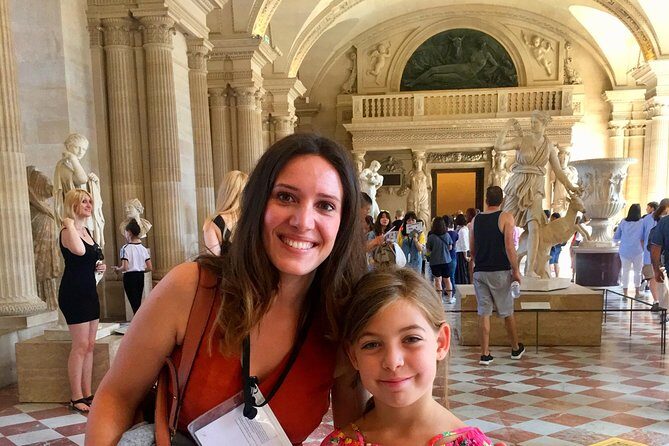
- If you’re traveling with kids or someone who gets tired easily, the private format helps—just tell the guide what pace works.
- For the Louvre, focus on quality over quantity. You’ll get more satisfaction from a handful of meaningful stops than sprinting through rooms.
Should you book? My straight answer
If you want a day that’s organized, guided, and designed to reduce museum stress, book it. The combination of Orsay’s Impressionist power plus a Louvre highlight route is exactly the kind of “two icons in one session” plan that works well for short trips.
The only real reason to hesitate is if you hate any waiting at all, since skip-the-line is about ticket lines, not necessarily zero line time inside the museums. If you can handle a bit of entry-flow friction, this is a smart way to see major art with a guide who keeps the visit practical and focused.
FAQ
How long is the private Orsay and Louvre tour?
It lasts 5 hours.
Does this tour include skip-the-line entry tickets?
Yes. It includes skip-the-line entry tickets for both the Orsay Museum and the Louvre Museum.
Where does pickup happen?
Your guide will pick you up at your centrally located hotel in Paris or in front of the Orsay Museum, depending on what works best.
What languages are available for the live guide?
The live guide is available in Spanish, English, and French.
Is transportation included?
No. Private transportation is not included.
What’s the cancellation policy?
You can cancel up to 24 hours in advance for a full refund.
Is the tour wheelchair accessible?
Yes, the tour is wheelchair accessible.