REVIEW · PARIS
Louvre and Musée d’Orsay with Reserved Entry Ticket
Book on GetYourGuide →Operated by Babylon Tours LLC · Bookable on GetYourGuide
Paris can feel overwhelming fast, so this Louvre-to-Orsay timeline keeps your bearings. I love the reserved entry that cuts down the museum hassle, and I love how the guide turns two huge collections into a clear story from Greek myth to French Impressionism. The main drawback to plan for: you’ll do a high amount of walking, and this isn’t the right fit for mobility impairments or wheelchair users.
You start at the Louvre and move straight into the world of French 19th-century painting at Musée d’Orsay, all in one guided loop. The guides also tailor the stops to what your group cares about, which is a big reason this feels better than wandering with a map and hoping you pick the right rooms. If a museum closure throws a timing curveball, it can affect the flow, since changes are handled case by case by the museums.
In This Review
- Key Highlights That Matter On the Ground
- A 5.5-Hour Louvre-to-Orsay Art Timeline That Actually Clicks
- Reserved Entry + A Small Group Pace (Why It’s Worth It)
- Entering the Louvre: Start With Greek Myth, Not Random Hallways
- Louvre Architecture Lesson: Why the Palace Matters for Art
- Lunch Break: A Reset Before You Switch to 19th-Century Art
- Musée d’Orsay: The Beaux-Arts Station That Makes 19th-Century Painting Feel Modern
- The Guides Make or Break It: Dunya, Alex, and Daniel
- What You’re Getting (Besides Famous Names)
- A Few Practical Considerations Before You Book
- Price and Value: Why $258 Can Still Make Sense
- Should You Book This Louvre and Orsay Tour?
- FAQ
- FAQ
- How long is the Louvre and Musée d’Orsay tour?
- Where does the tour start and end?
- Are entry tickets reserved for both museums?
- Is lunch included?
- What art period focus should I expect?
- Which museum highlights are included?
- What languages are available for the live guide?
- Is this tour private or small group?
- Is it suitable for wheelchair users or people with mobility impairments?
- What should I bring, and are bags allowed?
Key Highlights That Matter On the Ground

- Reserved entry to both museums saves real time when you’d otherwise be waiting in busy lines
- Chronological art storytelling connects Greek antiquity to Impressionists like Renoir and Van Gogh
- Mona Lisa included in the route so you see the work without hunting for it
- Louvre palace context helps you understand why the building itself shapes the experience
- Musée d’Orsay in the old Gare d’Orsay gives you the cool “station-turned-gallery” setting for 19th-century art
- Small group cap (max 6 per guide) keeps the pace human and the questions actually possible
A 5.5-Hour Louvre-to-Orsay Art Timeline That Actually Clicks
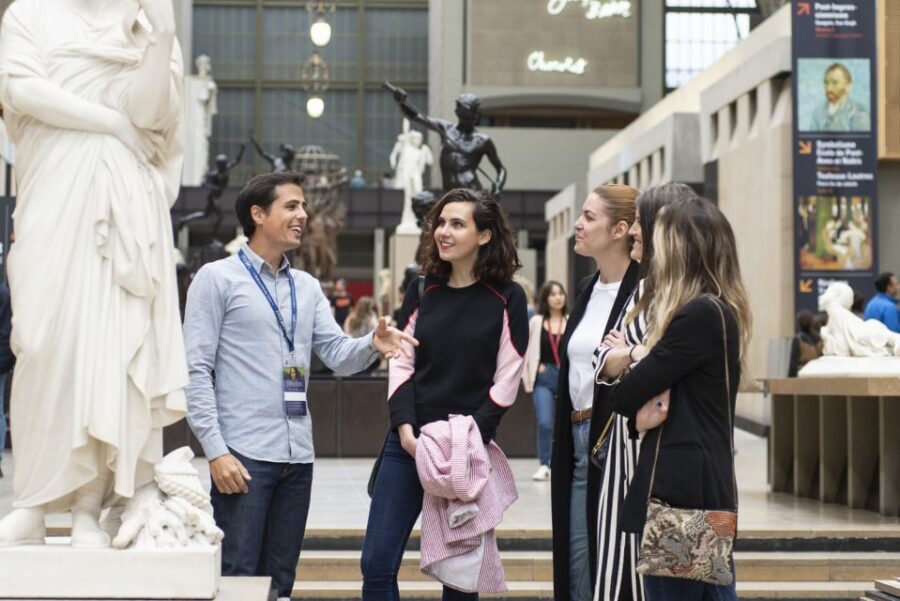
The best museum days feel like you’re following a thread, not dragging yourself room to room. This tour is built around one clear idea: start with the foundations of Western art in Ancient Greece, then trace how styles and ideas evolve until you reach the French Impressionists and post-Impressionists.
In practice, that means you’re not just collecting random “famous artworks.” You’re getting a sequence: how mythology shows up visually, how sculptural ideals shaped later tastes, and how 19th-century painters broke rules on purpose. If you’ve ever felt intimidated by the sheer size of the Louvre, this kind of structure makes the day feel manageable.
And you get the bonus of two different museum personalities. The Louvre is a palace-museum with an overwhelming footprint. Orsay is a focused 19th-century art museum in a Beaux-Arts building that used to be a train station. Switching from one to the other keeps you awake and interested.
Other Louvre Museum entry tickets in Paris



Reserved Entry + A Small Group Pace (Why It’s Worth It)
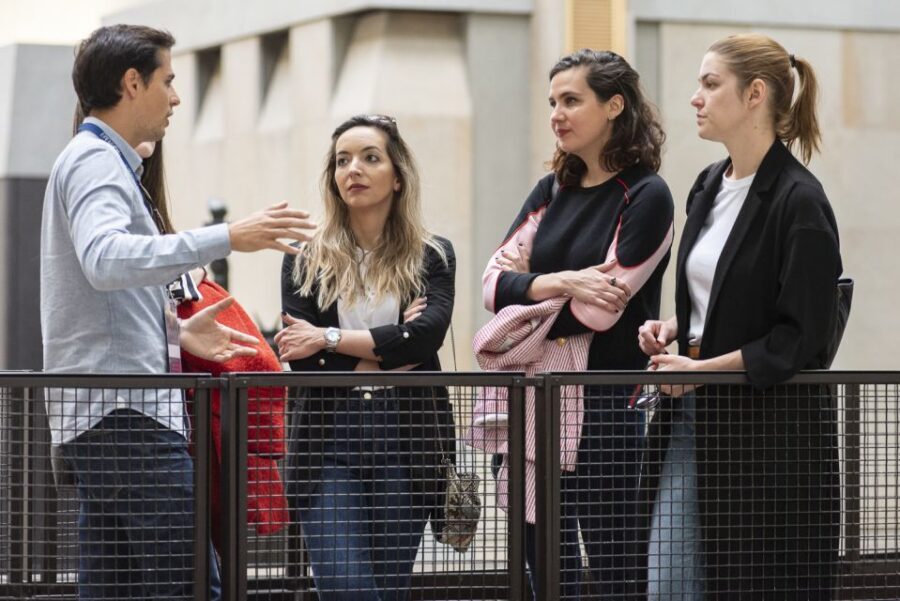
This experience includes reserved entry ticket access to both museums, which matters more than people expect. The Louvre can swallow a morning with lineups, and losing that time is annoying when you only have about half a day.
On top of that, your group is capped at a maximum of 6 guests per guide for a more intimate experience. That small size changes how the visit feels. You’re more likely to get real conversation, and the guide can steer you toward the works that fit your interests.
There’s also a practical rhythm to the schedule. You start at the Louvre, then you get lunch break, then you head to Musée d’Orsay afterward with your guide. The Musée d’Orsay is only about a 10-minute walk from the Louvre, so you’re not burning hours in transit inside the city.
What I’d consider a real limitation: if you’re looking for a slow, sit-down-and-stare day, this isn’t that. The tour notes there’s a high amount of walking. Plan for stairs, museum corridors, and time spent moving between rooms.
Entering the Louvre: Start With Greek Myth, Not Random Hallways

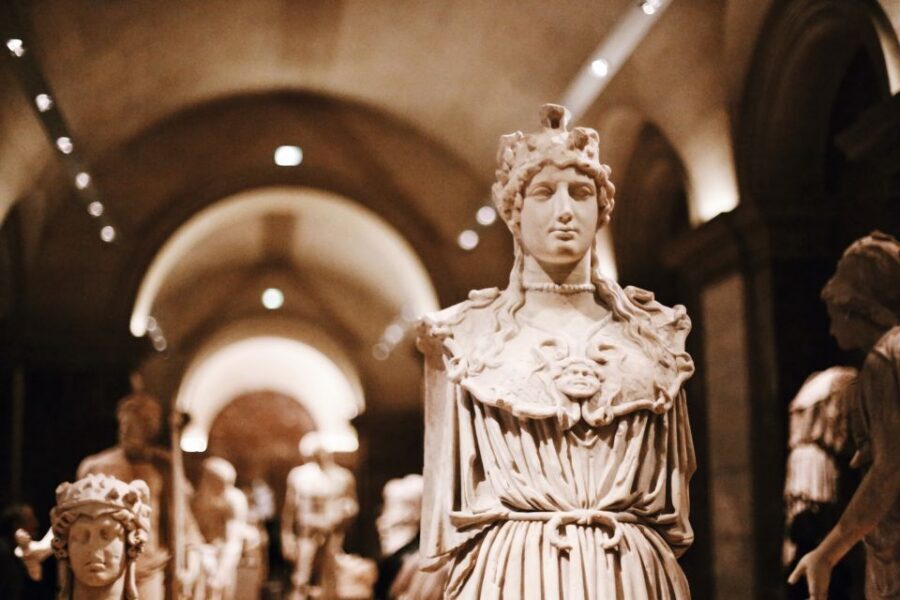
The Louvre is home to more than 35,000 works across about 650,000 square feet of exhibition space. That sounds abstract until you’re inside and you realize you can easily spend hours without seeing the “right” things.
The big value here is that your guide builds a chronological storyline, starting with Ancient Greek mythology and moving forward from there. It gives your brain something to organize. You’ll see major works and understand why they mattered, not just that they’re famous.
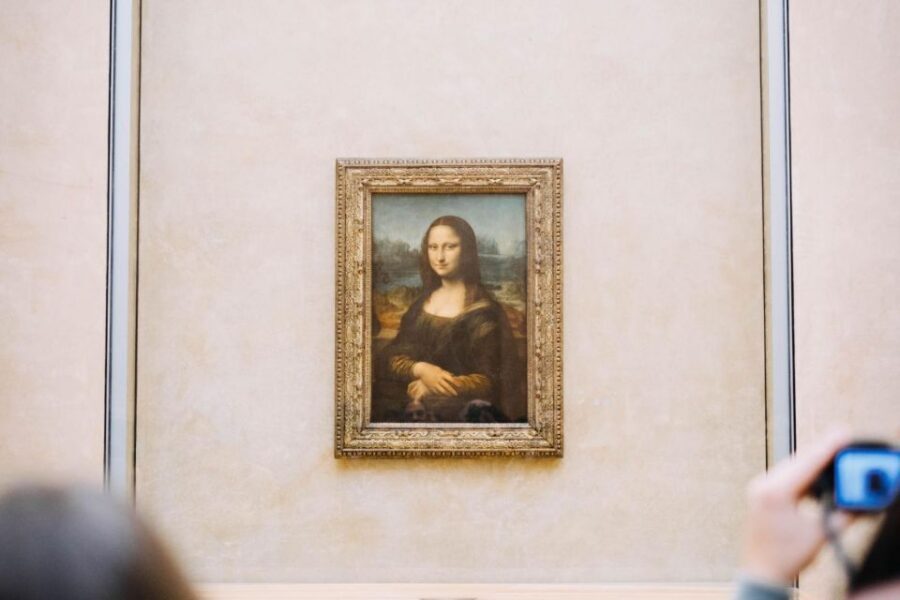
You’ll also hit key showstoppers as part of the route, including Leonardo da Vinci’s Mona Lisa. The tour format matters: you get taken to the work instead of wandering and second-guessing where you should go next.
A small note for expectations: the Louvre has areas with rules about quiet and restricted speaking, and some collections can vary by season. So you’ll want to follow the guide’s cues and adjust your volume accordingly.
Louvre Architecture Lesson: Why the Palace Matters for Art
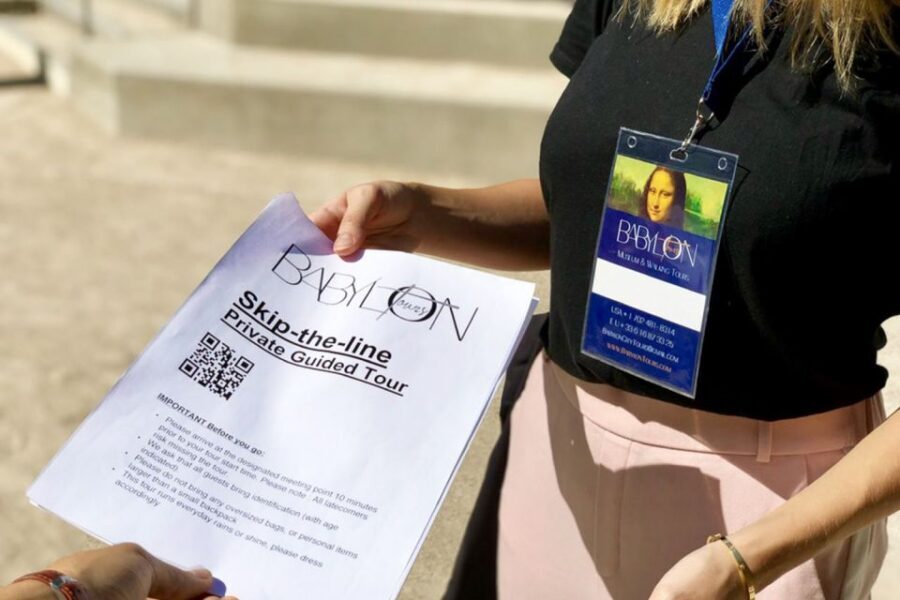
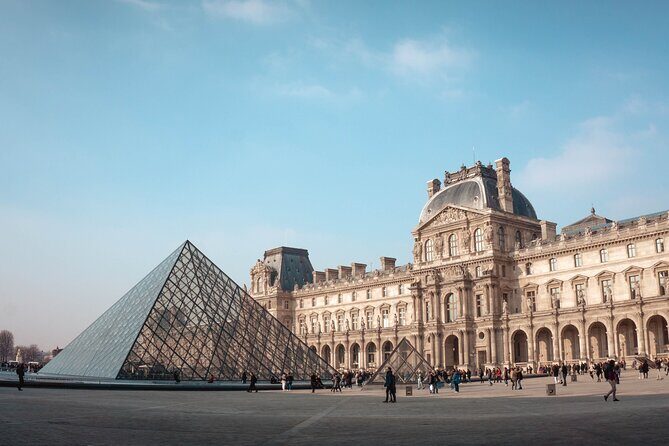
One of my favorite ways to understand the Louvre is to remember it’s not only an art container. It’s also a palace, and the building’s design has shaped how the museum experience feels.
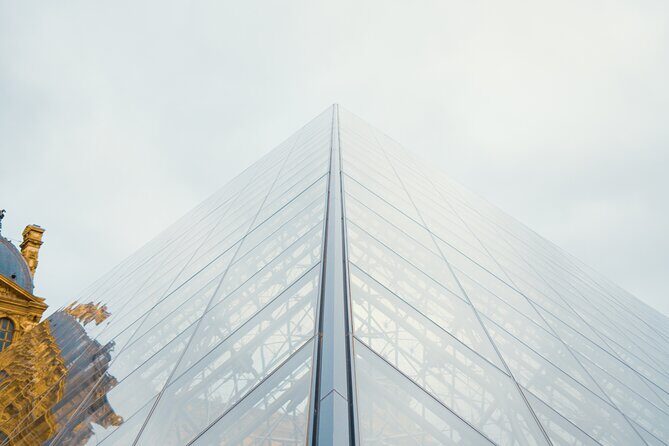
This tour includes time to admire the Louvre’s architecture and learn about its time as a palace. That context changes the way you notice the rooms. You stop treating the Louvre like a warehouse and start seeing it like an environment that influences display, movement, and even how you interpret grandeur.
It’s also a smart pairing with the tour’s chronological art theme. As you move through different eras of art, you’re also moving through a building that reflects how power and taste shifted over centuries.
Lunch Break: A Reset Before You Switch to 19th-Century Art
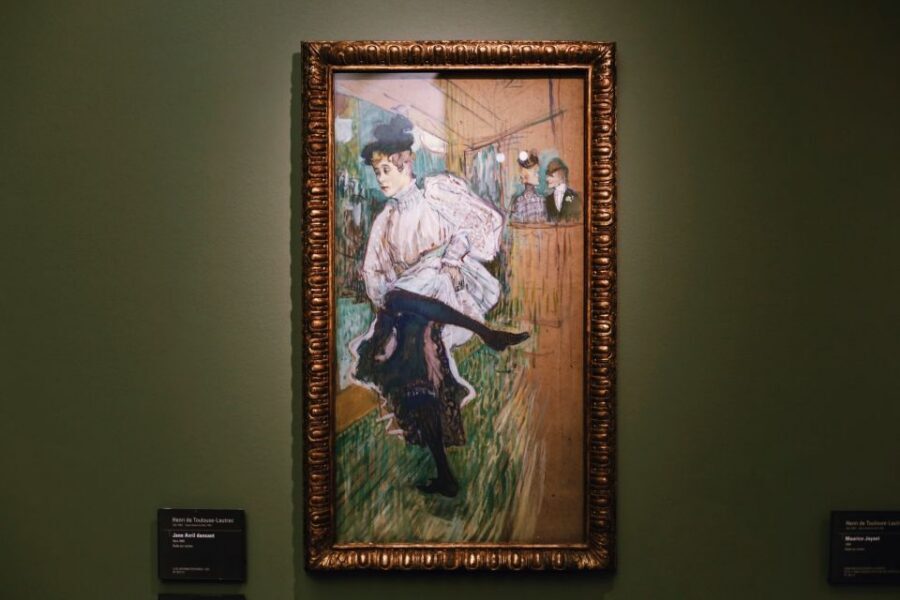
Between museums, you get a lunch break. The day design matters here. Orsay’s focus on 19th-century French art hits differently than the Louvre’s broad span. If you try to brute-force both without a pause, you can end up glazed over by sheer museum volume.
The tour includes the break, but it doesn’t include food and drinks. So you’ll want to plan for spending your own money on a meal nearby (and keep an eye on the schedule so you’re back when the guide calls the group together).
If you’re the type who gets hungry fast, consider grabbing something quick. The tour keeps moving, and you’ll want your energy for the Orsay portion—especially because it’s built to feel like a gallery walk where you’ll want time to see brushwork up close.
Other skip-the-line Louvre tickets in Paris





Musée d’Orsay: The Beaux-Arts Station That Makes 19th-Century Painting Feel Modern
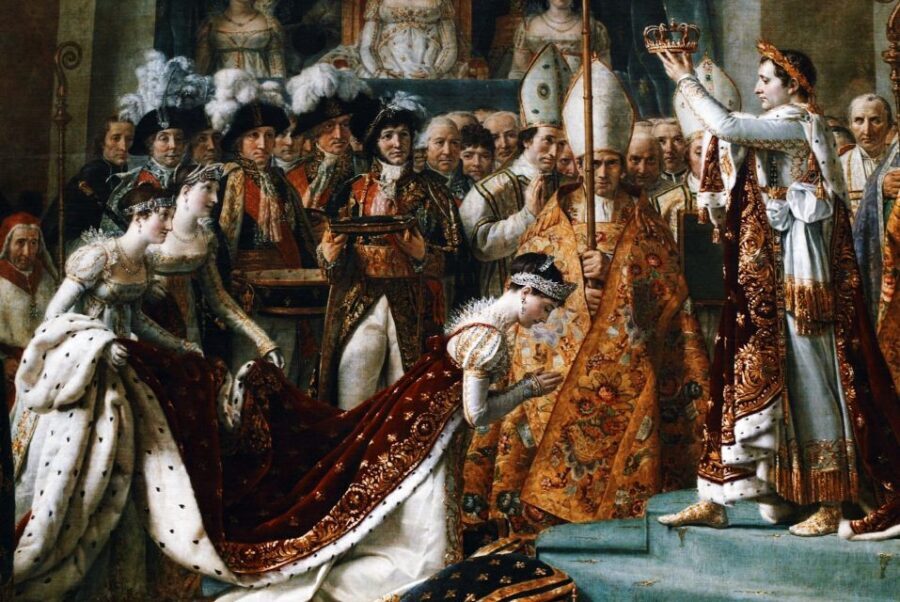
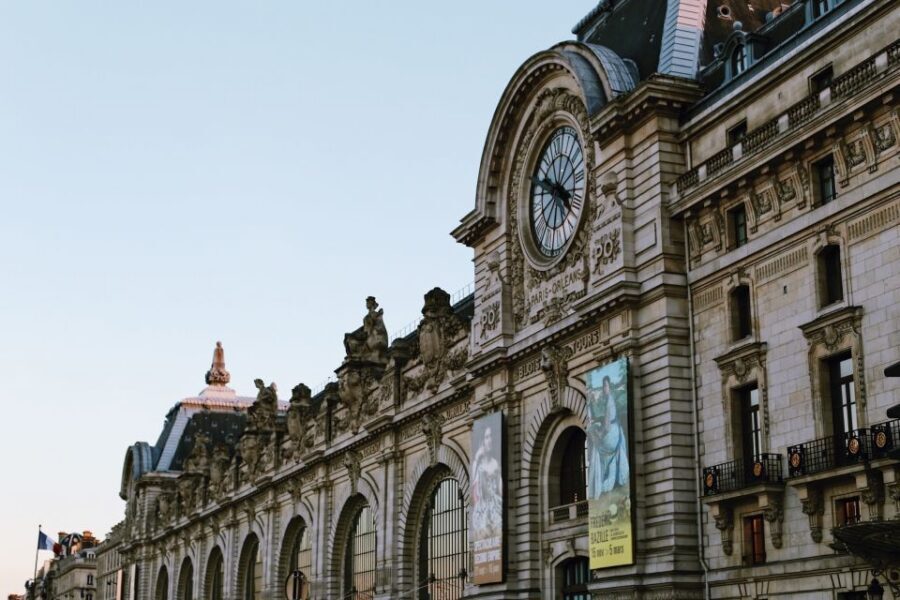
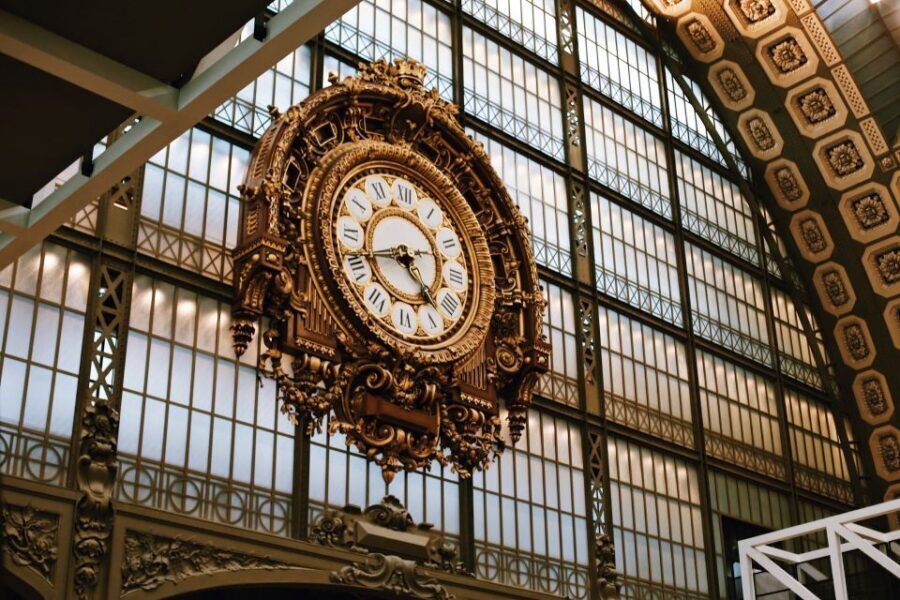
After the Louvre, you step into a museum with a totally different vibe. Musée d’Orsay is in a beautiful Beaux Arts building that used to be the Gare d’Orsay railway station. That setting is more than scenery. It helps you experience the era it represents.
The museum’s focus is 19th-century French art, with major styles and names you’ll recognize. The tour highlights artists such as Manet, Renoir, Cézanne, and Gauguin, and it points forward to the broader shift toward post-Impressionism, including artists like Van Gogh.
Here’s the practical advantage: once you’re in Orsay, the chronological thread makes the 19th-century section feel like an evolution rather than a random lineup of masterpieces. You’re learning what techniques changed, why those changes happened, and how “art rebels” helped open the door to Impressionism.
And you’ll want to pay attention to how the guide connects technique to effect—how painters handled light, color, and subject matter differently. That kind of explanation turns “I see a painting” into “I understand what changed and what was risky.”
The Guides Make or Break It: Dunya, Alex, and Daniel
In these museums, good storytelling isn’t a luxury. It’s how you avoid the museum fatigue that sets in after a couple hours.
The guide quality is clearly a standout from the experience. Dunya is praised as passionate and very knowledgeable, with a strong balance between the Louvre and Orsay sections. Alex is described as exceptional at connecting French art history with what makes sense culturally, and he also helps steer the group toward the pieces your private group is most interested in. Daniel is singled out for vast art knowledge and being the best guide some people have ever had.
What you should take from that as a buyer: you’re not just buying entry tickets. You’re buying someone who knows how to pace the day, explain the big ideas, and keep the route aligned with what you actually want to see.
The small group size supports that. When you’re not stuck with dozens of people, the guide can adjust on the fly and keep the story clear.
What You’re Getting (Besides Famous Names)
It’s easy to think you’re paying mainly for reserved entry and ticket access. Yes, that’s included. But the real value is the way the day is structured to reduce confusion.
Here’s what this format does for you:
- It gives you an orderly path through the Louvre, which otherwise can feel like a visual labyrinth.
- It makes Orsay’s 19th-century focus feel purposeful, not like a separate “second museum” you squeeze in.
- It includes the most requested works, like the Mona Lisa, without turning your day into scavenger hunt time.
- It pairs artworks with context—so you understand why the art looked the way it did and why it changed.
And because the tour ends back where you started, you’re not solving the logistics puzzle mid-day. You’re staying within one coordinated plan.
A Few Practical Considerations Before You Book
This is one of those tours where the “not for everyone” parts matter.
First: walking. The tour mentions a high amount of walking. The semi-private format also isn’t available for those with walking disabilities, and it notes it’s not suitable for wheelchair users. Wheelchair tours are only listed on request, so if mobility is a concern, ask before you commit and be ready with details about what you can manage.
Second: bag rules. Luggage or large bags aren’t allowed, and items over 55x35x20 cm are not permitted in the museums. That’s a big deal at the Louvre, where bag policies can change your day if you arrive with the wrong size.
Third: occasional closures. Museums can close specific areas without previous warning. If opening is delayed by more than one hour from your tour start time, you’ll be provided with an appropriate alternative, but refunds or discounts can’t be provided in those cases.
None of that is meant to scare you off. It’s meant to help you plan smart. Wear comfortable shoes, travel light, and keep expectations flexible.
Price and Value: Why $258 Can Still Make Sense
At $258 per person, this isn’t a budget add-on. But the value comes from the combination of things you’d otherwise have to assemble yourself:
- a professional guide for both museums
- reserved entry to both
- museum entrance fees
- a lunch break built into the timing
If you’re an independent traveler with strong museum stamina, you might argue you could do this on your own for less. But the “less” often hides time costs—waiting in lines, picking the wrong sections, and spending hours without seeing the story you actually came for.
This tour is built for visitors who want to see major works and understand them, without turning the Louvre into a 3-hour guessing game. If you value clarity and a clean storyline more than you value DIY savings, this price starts to look reasonable.
Should You Book This Louvre and Orsay Tour?
Book it if you want a guided, chronological path through two major museums and you’d rather spend your energy understanding art than figuring out where to go next. The reserved entry and small group cap help a lot, and the guide experience seems to be a real strength, with Dunya, Alex, and Daniel highlighted for storytelling and adapting the visit to the group.
Skip or switch plans if you need a low-walking pace, if you rely on wheelchair-friendly routing, or if you’re traveling with luggage that won’t meet the museum size limits. Also, if you’re the type who loves wandering freely and skipping structure, you may feel constrained by the timeline format.
If your goal is a focused day that feels like a complete art journey, this is a strong fit.
FAQ
FAQ
How long is the Louvre and Musée d’Orsay tour?
The tour lasts about 5.5 hours. Starting times depend on availability.
Where does the tour start and end?
It starts at a meeting point that may vary based on the option you book, and it ends back at that same meeting point.
Are entry tickets reserved for both museums?
Yes. You receive reserved entry ticket access to both the Louvre Museum and Musée d’Orsay.
Is lunch included?
Yes, there is a lunch break included. Food and drinks are not included.
What art period focus should I expect?
The tour is arranged as a chronological art journey, starting with Ancient Greece and moving through to French Impressionism and post-Impressionism.
Which museum highlights are included?
The route includes major works such as Leonardo da Vinci’s Mona Lisa, along with other celebrated pieces and themes explained by the guide.
What languages are available for the live guide?
The live tour guide is available in Spanish, English, German, Italian, French, and Russian.
Is this tour private or small group?
It can be private or small group. The maximum is 6 guests per guide, and the semi-private option has a minimum of 2 participants to run.
Is it suitable for wheelchair users or people with mobility impairments?
The tour is not suitable for wheelchair users and people with mobility impairments. Wheelchair tours are listed as available only on request, so you should ask if you have mobility needs.
What should I bring, and are bags allowed?
Bring a passport or ID card. Luggage or large bags are not allowed, and items larger than 55x35x20 cm are not permitted inside the museums.