REVIEW · PARIS
Paris: Louvre Museum and Orsay Museum Guided Tour
Book on GetYourGuide →Operated by GetYourGuide France · Bookable on GetYourGuide
Two museums, one smart day in Paris. That combo is what makes this tour feel efficient without turning into a checklist. You get pre-reserved access plus audio devices, so you spend less time guessing and more time seeing.
I particularly like how the morning at Musée d’Orsay turns a famous building into part of the show. You’ll learn how the Impressionists and post-Impressionists relate to 19th-century life, not just what to look at. The afternoon Louvre portion then uses a highlights route so the biggest works like the Mona Lisa and Venus de Milo aren’t just names on a map.
One consideration: this is a short day at two major museums. You only get the guided time plus some open time, and once you exit you cannot go back in, so you’ll want a quick plan for what you’ll see on your own.
In This Review
- Key things I’d focus on
- Why This Orsay + Louvre Combo Works So Well
- Morning at Musée d’Orsay: Old Station, Big Impressionist Stories
- What to do with your extra Orsay time
- Lunch Break and Moving Toward the Louvre
- Afternoon at the Louvre: Fast Access to Venus, Victory, and the Mona Lisa
- The Louvre’s 2-hour reality check
- What the Guided Routes Add (and What They Don’t)
- Price and Value: Is $157 Worth It?
- Practical Tips for a Smoother 3.5 Hours
- Who Should Book This Tour
- Should You Book This Orsay + Louvre Guided Combo?
- FAQ
- What museums are included in this tour?
- How long is the guided tour?
- Do I get pre-reserved tickets or skip the line?
- Where do I meet the guide for the Musée d’Orsay portion?
- Where do I meet the guide for the Louvre portion?
- Is lunch included?
- Is the tour suitable for wheelchair users or people with mobility impairments?
Key things I’d focus on
- Musée d’Orsay in a former train station with a Paris view through one of the clocks
- Impressionist and post-Impressionist storytelling tied to industrial life and Parisian society
- Skip-the-line entry with pre-reserved tickets to keep the day moving
- A Louvre highlights route designed to land you close to Venus de Milo and the Winged Victory
- The “Mona Lisa effect” explained, including why its 1911 theft made it even more famous
Why This Orsay + Louvre Combo Works So Well
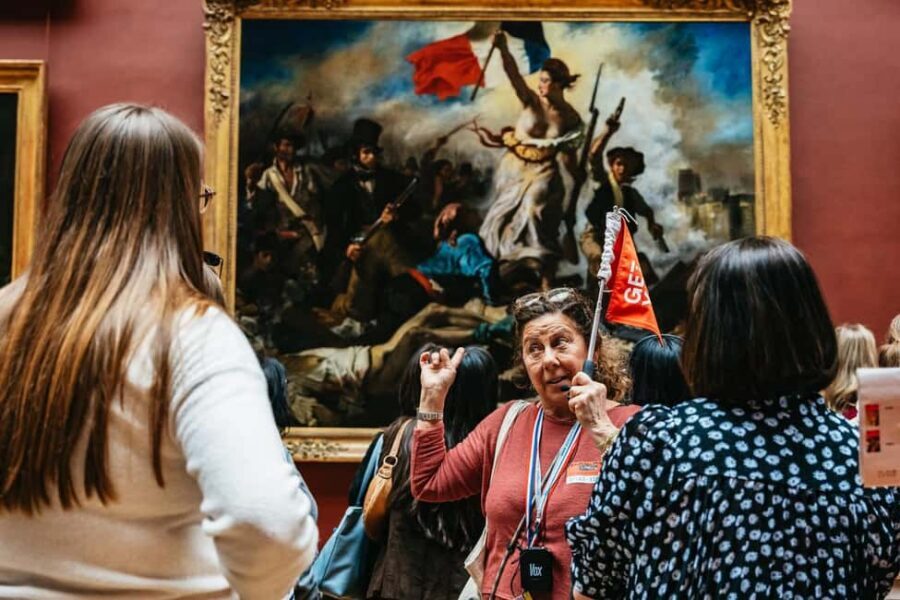
If you’ve never visited the Louvre, you can easily lose hours just finding your way. If you love Impressionism, you can also waste time hunting for the few rooms that matter most. This tour is built to handle both problems in one day: Orsay first, then Louvre, with guided time in each.
I like that the schedule makes geographic and mental sense. You start with 19th-century art (Orsay), when your brain is ready for color, brushwork, and modern life. Then you switch gears to the Louvre’s long sweep of history in the afternoon, from ancient sculpture to Renaissance painting.
You should still go in with realistic expectations. This is a fast, guided highlights approach, not a slow museum seminar. If you want to linger on every single masterpiece without limits, you may feel rushed.
Other guided Louvre Museum tours in Paris



Morning at Musée d’Orsay: Old Station, Big Impressionist Stories
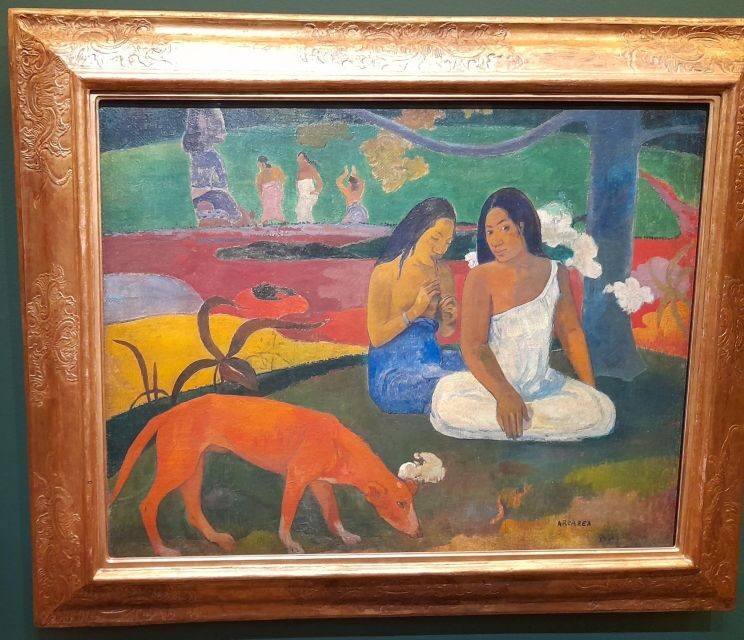
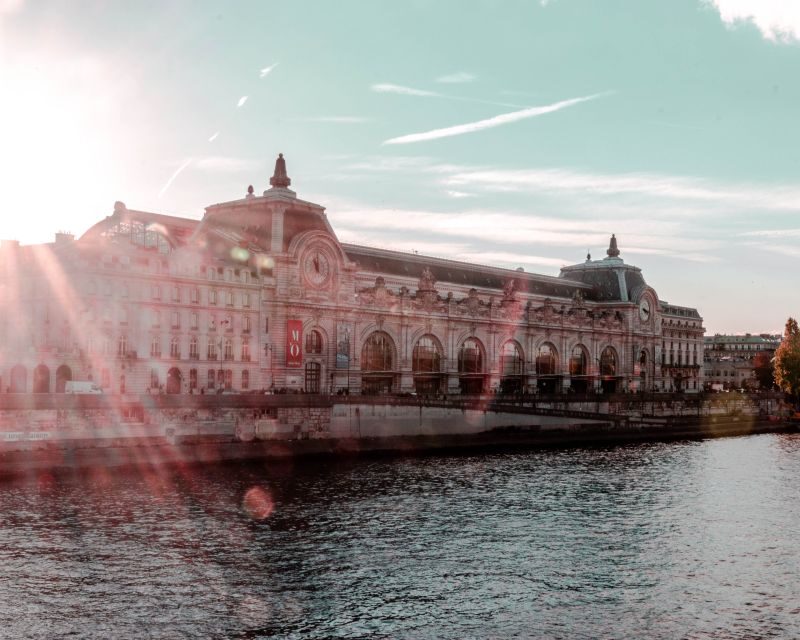
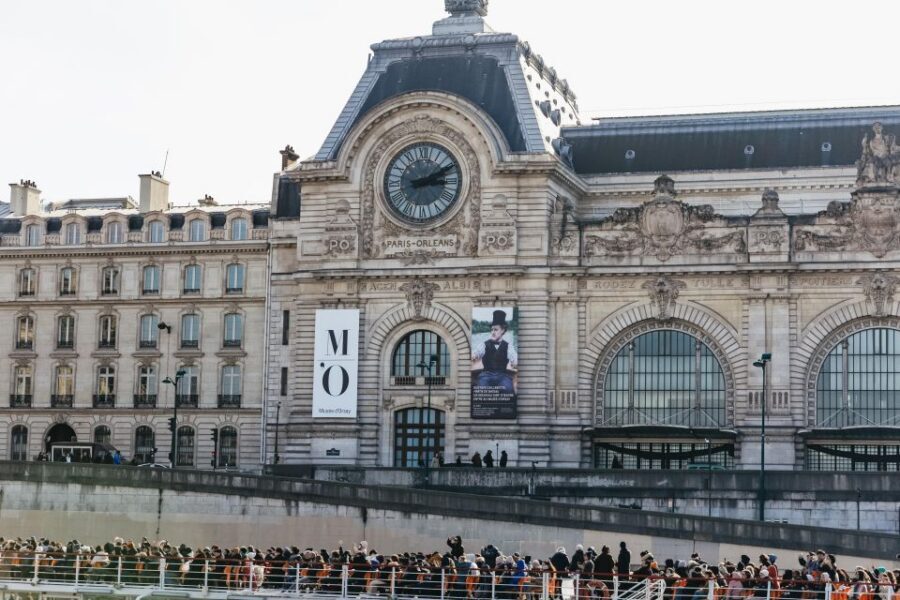
Musée d’Orsay is set in one of Paris’s most recognizable conversions: a former train station. Meeting your guide by the entrance next to the horse statue helps you start the day with less confusion. From there, you’ll dive into the museum’s biggest strength: its major collection of Impressionist painting.
During the 1.5-hour guided portion, the focus isn’t just artists and dates. The guide helps you relive 19th-century life through the paintings, moving from industrial Paris to scenes tied to the local countryside. You also get a sense of how art traveled across distances, with references that include the south of France and even an art world associated with Gauguin.
Here’s what I think you’ll enjoy most if you like Impressionism: the tour connects the paintings to the world that produced them. You’ll hear how the changes after the Industrial Revolution shaped the scandals and social life people painted about. It’s the difference between viewing art and understanding why it looked the way it did.
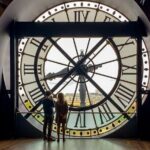
The building adds another layer. One of the most memorable details is the view of Paris through one of the clocks in this old station. Even if you’re not a “look up” person in museums, that clock view is a fun, quick reminder that you’re in the middle of modern Paris, inside a 19th-century shell.
What to do with your extra Orsay time
Your guided time is 1.5 hours, then you’ll have free time to keep exploring. This is your chance to go back to any artist you really liked during the talk—Monet, Manet, Renoir, Van Gogh, or Cézanne are specifically called out in the tour focus. Since temporary exhibitions aren’t included on this tour, your free wandering is best spent on the permanent collection.
If you’re short on time, pick two goals and stick to them. For example: one Impressionist painting you’re excited about and one or two rooms that support the vibe the guide set up. That way, your free time doesn’t turn into aimless pacing.
Lunch Break and Moving Toward the Louvre
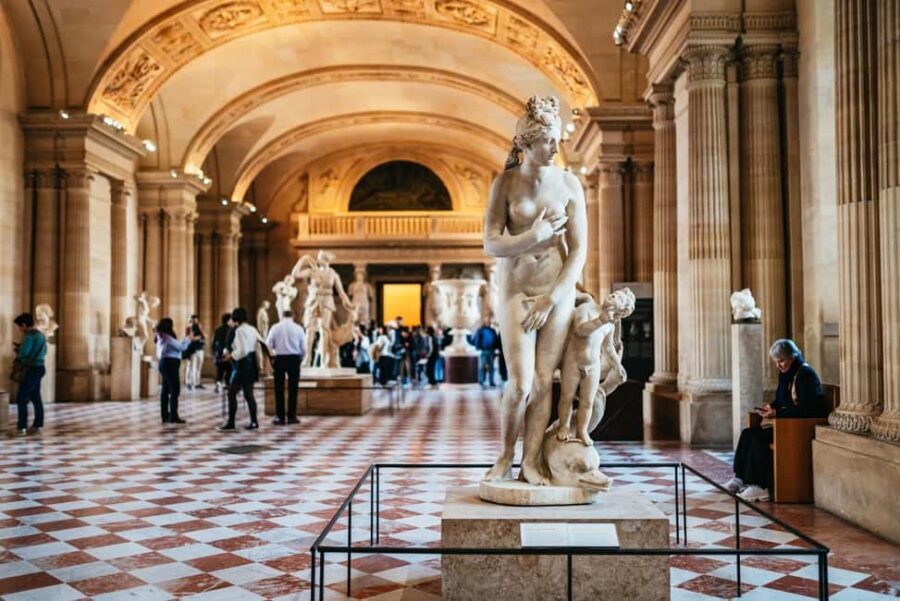
Between the tours, you’ll have free time to have lunch (not included) and make your way to the Louvre. The tour is designed so you don’t feel like you’re sprinting from one museum to the next without a breather. Still, plan for real walking time and a bit of street-level navigation.
One practical tip: use this gap to decide your Louvre priorities before you meet your guide. The Louvre is huge, and the guided portion is only 2 hours. If you walk in thinking you’ll wing it for the most famous works, you’ll likely spend your energy searching instead of looking.
Also remember the rule that matters in both museums: once you exit, you cannot go back in. That means your lunch plan should not involve popping into shops or stopping for a long detour that might make you late to the Louvre meeting.
Afternoon at the Louvre: Fast Access to Venus, Victory, and the Mona Lisa
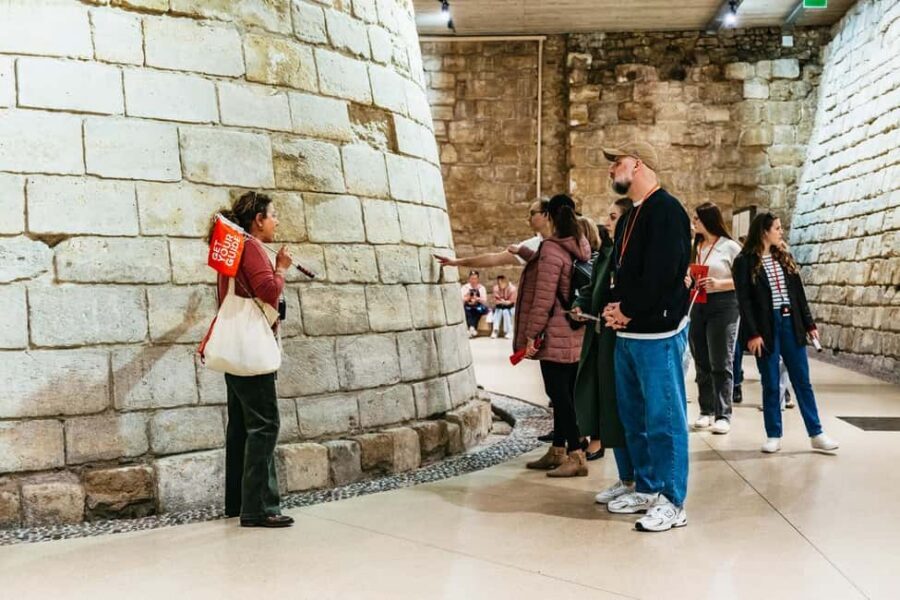
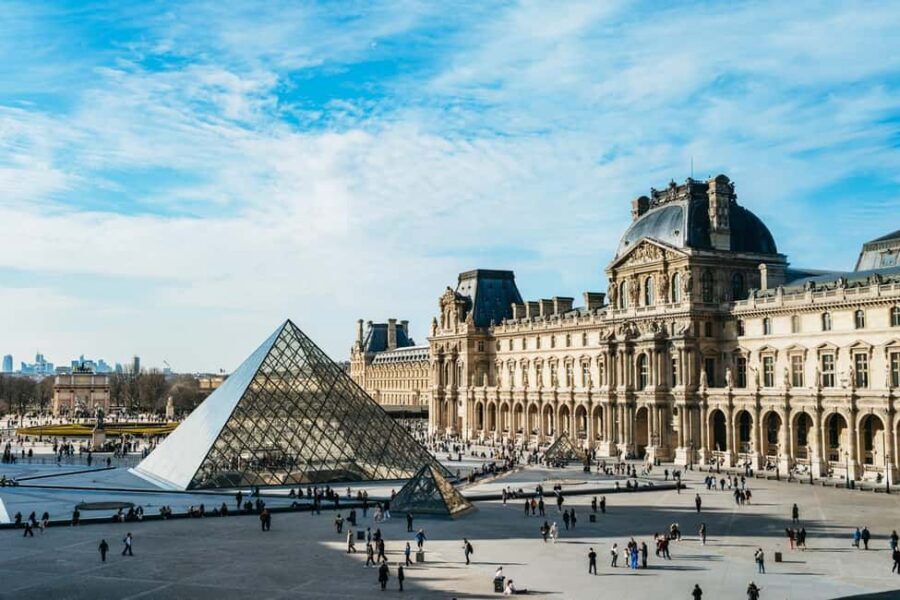
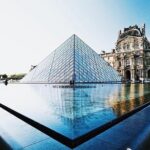
The Louvre portion runs for 2 hours with a guide. You’ll meet your guide at the Kiosque des Noctambules on Place Colette, near the Louvre Museum, and the exact meeting time for the afternoon will be confirmed in the morning. The museum itself is described as the former residence of the kings of France, and that royal context matters because the collection spans ancient civilizations through the mid-19th century.
The big benefit here is the way the tour gets you in and moving. You’ll have pre-reserved tickets and you’ll follow a highlights route with fast access using a separate entrance to skip the main line. For a museum this famous, that time saved is real value, not a small convenience.
Once inside, the guide brings you to major anchor works you can’t miss. The tour highlights include:
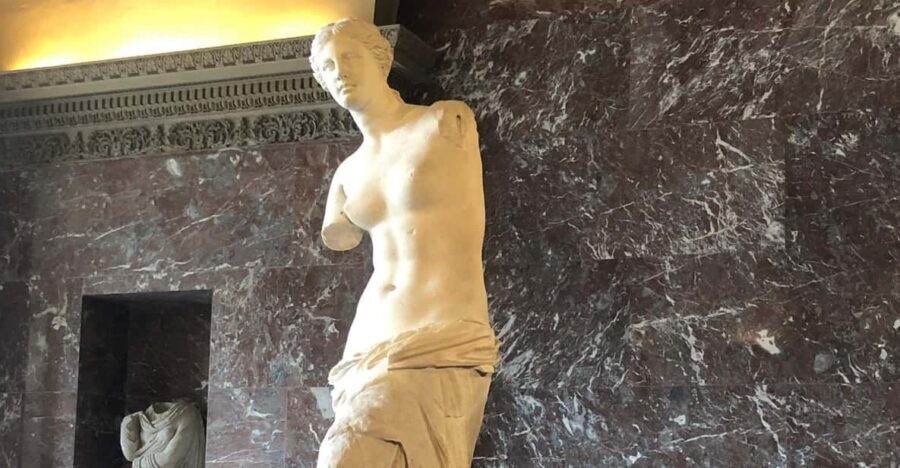
- Venus de Milo, the sculpture that inspired many artists
- The Winged Victory of Samothrace, the famous Hellenistic statue carved in the form of Nike, the Greek goddess of victory
- The Mona Lisa, with the story of how its 1911 theft helped create its current fame
I like that the highlights aren’t just the headline names. The guide also covers lesser-known works that deserve attention, so you don’t leave with the feeling that you only saw the “Instagram list.” You also get stories behind famous masterpieces, which makes the art feel less like museum objects behind glass and more like human decisions, craft, and context.
One detail that helps you appreciate the Louvre beyond paintings: you’ll see foundations in the basement of the Louvre Palace, connected to the castle that once stood on that site. If you’re the kind of person who likes to understand what you’re standing on, this is a strong addition because it connects the building to a longer timeline.
Other Louvre and Musee d'Orsay combo tours in Paris




The Louvre’s 2-hour reality check
Two hours at the Louvre sounds like a lot until you’re inside. The Louvre has so much scale that even with a highlights route, you’ll only touch a slice of the collection. Think of this as a guided route that helps you prioritize what to revisit later if you want deeper time.
If you want to see every famous painting, you may still need a second visit. If you want a guided first pass that gives you confidence for a future return, this works very well.
What the Guided Routes Add (and What They Don’t)
This tour is guided, not open-ended. That’s a strength, but it has limits you should understand upfront.
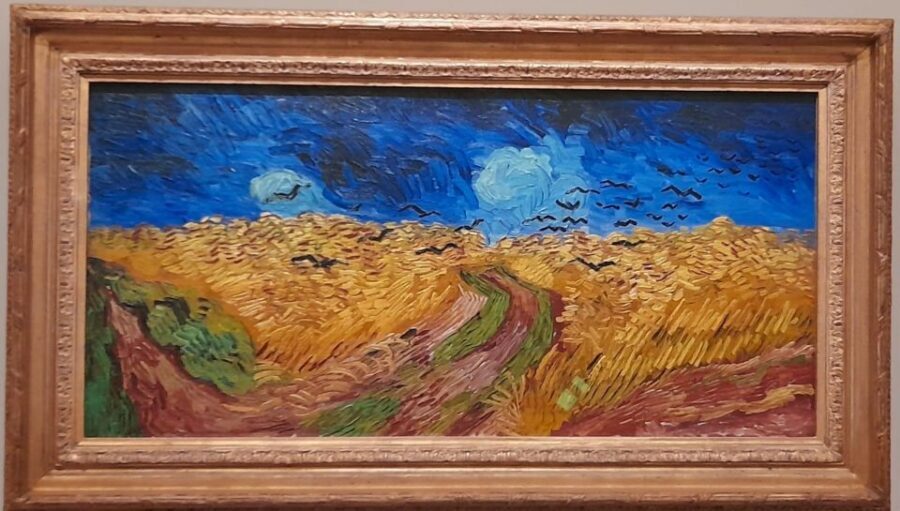
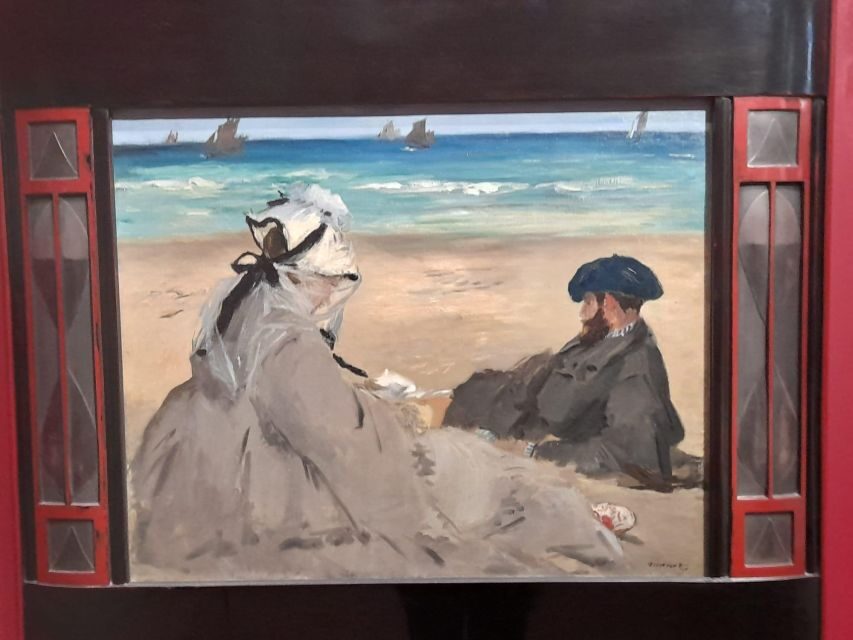
On the Orsay side, the guide leads you through a focused narrative about Impressionism and post-Impressionism, including how those works connect to industrial Paris and to social life after the Industrial Revolution. You’ll also hear about artists across different scenes—industrial settings, local countryside, the south of France, and the broader art world associated with Gauguin.
On the Louvre side, the guide does the hard part: selecting what to see first so you don’t get lost. You’ll hit the big sculpture markers and the Renaissance painting icons, then you’ll also get added context so the masterpieces feel less random.
What it doesn’t include is temporary exhibitions. The tour is aimed at the main permanent collections and the works listed in the highlights. So if your Louvre dreams depend on a specific temporary show, you’ll need extra time outside this tour.
Price and Value: Is $157 Worth It?
At $157 per person for about 3.5 hours total, you’re paying for two things that are hard to replicate on your own: guided storytelling and time saved inside major museums.
On the storytelling front, you’re getting in-depth stories behind famous works at the Louvre and a narrative approach at Orsay that connects paintings to 19th-century life. That kind of context can turn a quick look into a stronger memory, especially if you care about why art looks the way it does.
On the time-savings front, the tour includes pre-reserved tickets and skip-the-line entry through a separate entrance. In peak season, you might wait up to 20 minutes at security during high season. Even with that, the pre-planned access reduces the chance of losing half a day to logistics.
Is it the cheapest way to see both museums? No. But it’s not trying to be. You’re buying a guided day that keeps you moving and prevents the common failure mode: spending your limited time stuck in lines or scattered across the museum without a plan.
Practical Tips for a Smoother 3.5 Hours
A few rules and habits will keep your day from feeling stressful.
First: don’t bring luggage or large bags, and skip selfie sticks. There is a free cloakroom service for small bags and clothes, which can save you from hauling everything around.
Second: this tour isn’t suitable for people with mobility impairments and it is not suitable for wheelchair users. Plan accordingly if accessibility is part of your decision-making.
Third: during summer and high visitor volume, expect more crowded galleries and possibly up to 20 minutes of security wait time. You’ll still benefit from pre-reserved entry, but you should build a calm mindset.
Fourth: be on time. If you’re late, the group booking format means you cannot be given individual tickets on the spot. This matters most for the morning start and for meeting your guide at the afternoon point.
Finally: once you exit either museum, you cannot go back in. That makes your free time more valuable if you use it efficiently—choose what you want to revisit before you step out.
Who Should Book This Tour
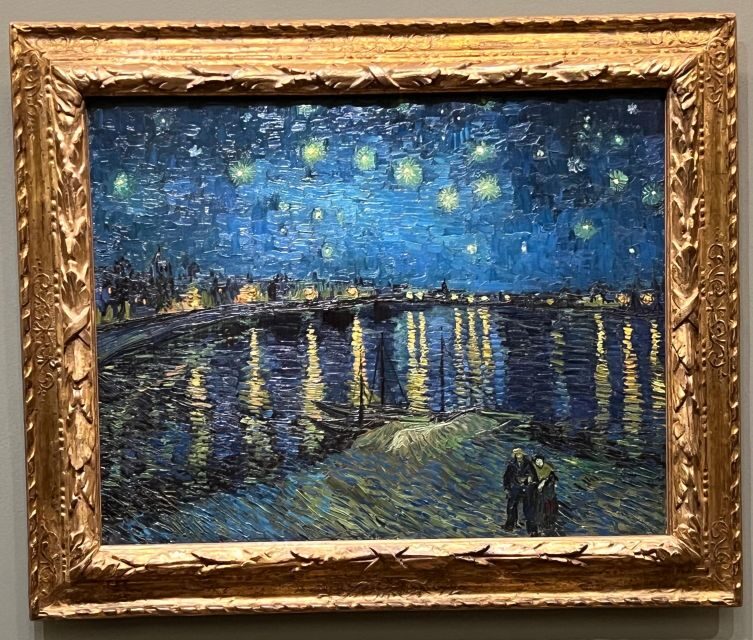
This combo tour suits you if you want a structured first visit to both museums. It’s a good fit when you care about Impressionism and you also want the Louvre’s main masterpieces like the Mona Lisa, Venus de Milo, and the Winged Victory of Samothrace.
It’s also a smart option if you hate the “blank museum” feeling—when you walk in and don’t know what matters most. The highlights route helps you get oriented fast.
I wouldn’t pick it if your travel style is slow and solitary. If you want to spend half a day in one room, this tour’s pacing won’t match that.
If you’re visiting during summer crowds, you’ll benefit from the pre-reserved, guided plan. Just remember the crowds can still make the museums feel more packed than usual.
Should You Book This Orsay + Louvre Guided Combo?
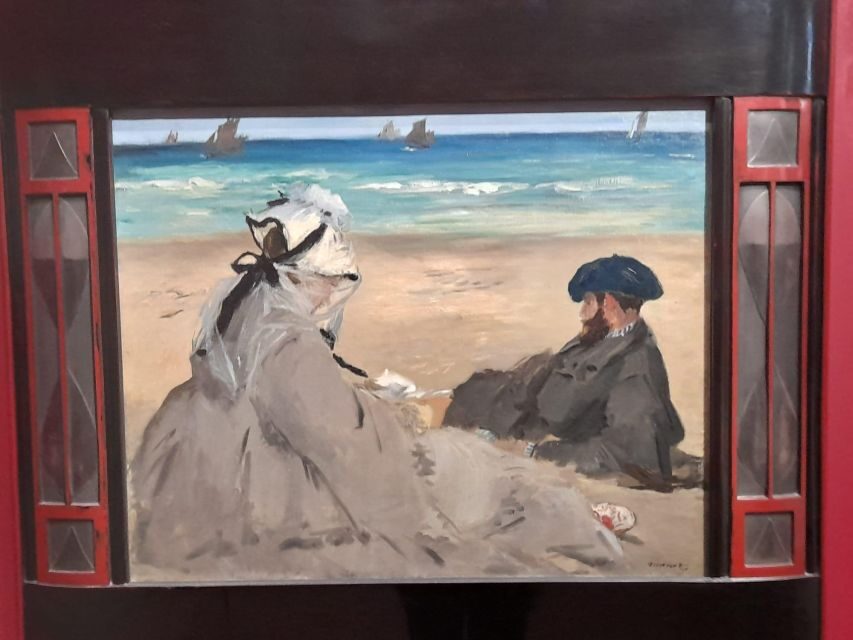
If you’re trying to see a lot of art in a limited time, I think this is a strong booking. The price reflects the combination of guided time in both museums plus reserved access and skip-the-line entry, and the way the guide frames the art helps you remember what you saw.
I’d book it when you want both museums, but you also want a plan that handles the scale. Orsay gives you the 19th-century entry point and Impressionist storytelling, while the Louvre gives you a highlights route that lands you at the works most people come for—plus extra context like the basement foundations story.
Skip it if you want broad, unstructured wandering or temporary exhibitions. This tour is built for specific masterpieces and the permanent collections.
If your schedule is tight and you want to feel confident walking into the Louvre, this is one of the more practical ways to do it.
FAQ
What museums are included in this tour?
You’ll visit Musée d’Orsay in the morning and the Louvre Museum in the afternoon.
How long is the guided tour?
The total activity duration is 3.5 hours, including a 1.5-hour guided tour at Orsay and a 2-hour guided tour at the Louvre.
Do I get pre-reserved tickets or skip the line?
Yes. You’ll have pre-reserved tickets for both museums and skip-the-line access via a separate entrance.
Where do I meet the guide for the Musée d’Orsay portion?
Meet your guide by the entrance of the Musée d’Orsay, next to the horse statue.
Where do I meet the guide for the Louvre portion?
Meet your guide at the Kiosque des Noctambules on Place Colette, near the Louvre Museum. The meeting time for the Louvre portion is confirmed by your guide in the morning.
Is lunch included?
No. Lunch is not included, but there is free time between the two museum visits to get lunch and make your way to the Louvre.
Is the tour suitable for wheelchair users or people with mobility impairments?
No. The tour is not suitable for wheelchair users and it is also not suitable for people with mobility impairments.