REVIEW · PARIS
Paris: Louvre Masterpieces Tour with Pre-Reserved Tickets
Book on GetYourGuide →Operated by Walks In Europe · Bookable on GetYourGuide
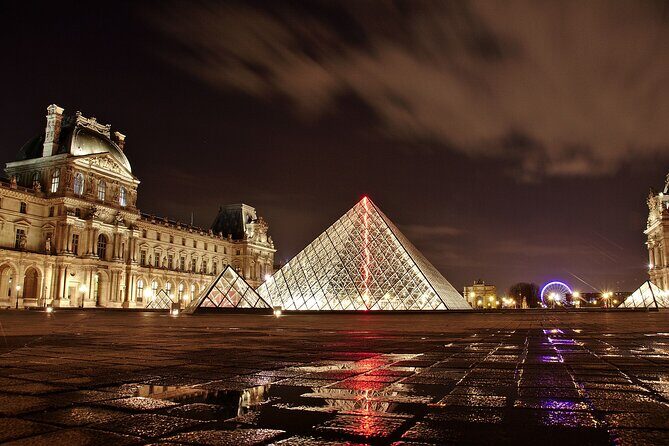
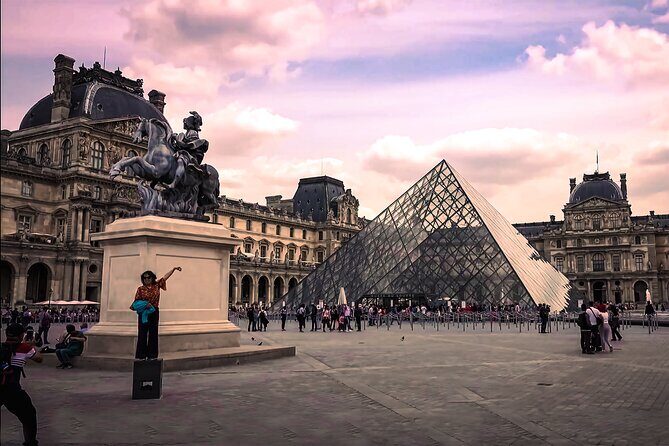
One of Europe’s biggest museums, done right. This Louvre Masterpieces tour uses a small group plus reserved priority entry so you can focus on art instead of queue time. You’ll pass the Louvre Pyramid and then follow an expert route that hits the works most people dream about.
I love the pacing here. In just 2 hours, your licensed Louvre guide steers you through the highlights across eight departments, so the museum feels navigable instead of overwhelming. I also like that you’re not locked into a rush at the end—you can stay inside after the tour to keep wandering on your own.
One thing to plan carefully: your entry time is tight. Timed tickets expire within 5 to 10 minutes, and security is still a factor, especially in peak season. Also, tickets can only be used once, and you won’t be able to get back in if you leave one of the museum wings.
In This Review
- Key highlights that make this Louvre tour work
- Why the small-group format matters at the Louvre
- Getting there smoothly: Café Le Nemours and the Palais Royal exit
- Priority entry at the Pyramid: what you’re really skipping
- The 2-hour Louvre route: how eight departments stay manageable
- Renaissance and early greatness: the Italian Renaissance center stage
- French Romanticism: drama you can feel in the brush and subject
- Neoclassicism and refined focus: Psyche, Cupid, and the Salon Carré vibe
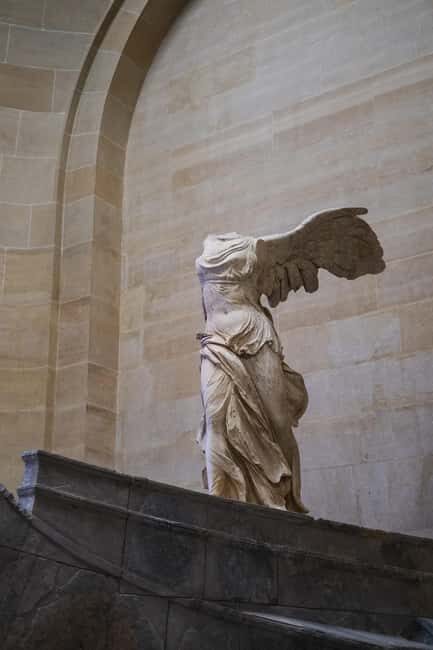
- The icons: Mona Lisa, Venus de Milo, and Winged Victory
- What I recommend you do during the tour (so 2 hours feels longer)
- After the tour: using your pre-reserved tickets wisely
- Guide style: licensed expertise with room for personality
- Price and value: why $152 can make sense
- Who this Louvre tour fits best (and who should skip it)
- Should you book the Louvre Masterpieces Tour with pre-reserved priority tickets?
- FAQ
- How long is the guided portion of the tour?
- Where do I meet the guide?
- Which metro stop is closest?
- Are the Louvre tickets timed?
- What should I bring and what can’t I bring?
- Is this tour suitable for wheelchair users or people with mobility impairments?
Key highlights that make this Louvre tour work
- Up to 6 people keeps the vibe calm and the route focused
- Pre-reserved priority access helps you skip the long main entry line
- A licensed Louvre Museum guide leads the story, not just the walking
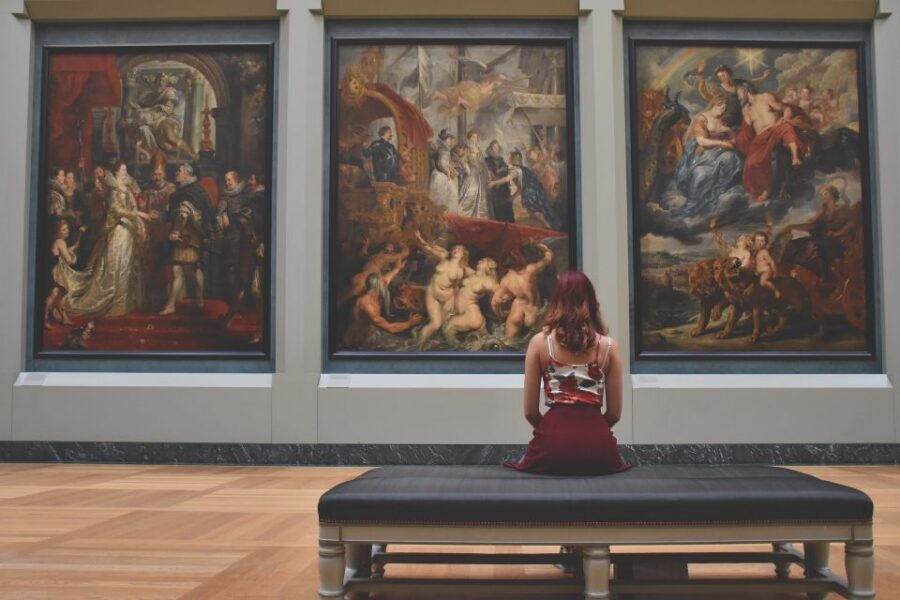
- Iconic masterpieces on one elegant route including Mona Lisa, Venus de Milo, and Winged Victory
- You can stay after the tour with your pre-reserved tickets
- Timed tickets (5–10 minutes) mean you need to be on time and ready for security
Why the small-group format matters at the Louvre
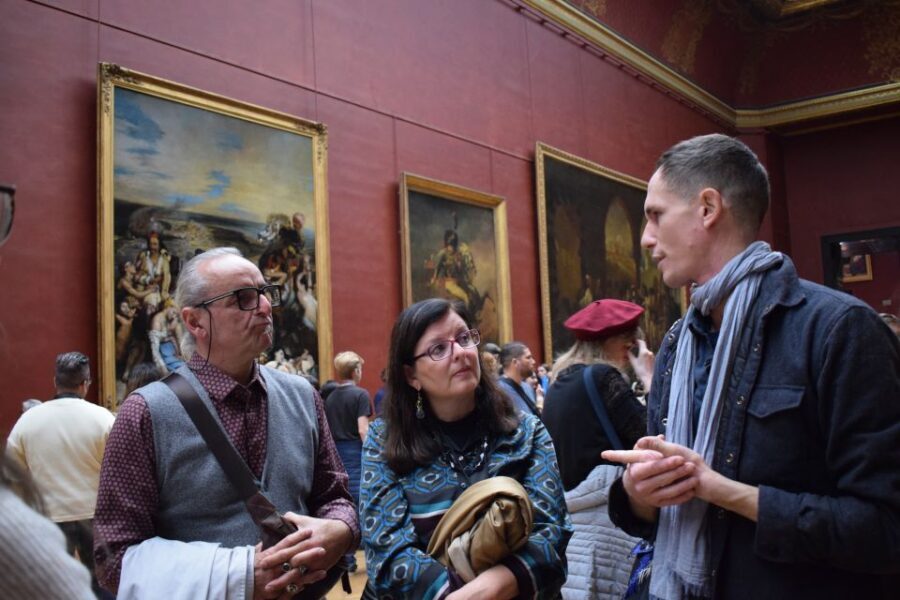
The Louvre is famous for two things: masterpieces and crowds. If you go without a plan, you spend mental energy figuring out where you are instead of appreciating what you’re seeing. This tour solves that by capping the group at six guests, which is the difference between drifting and actually getting answers.
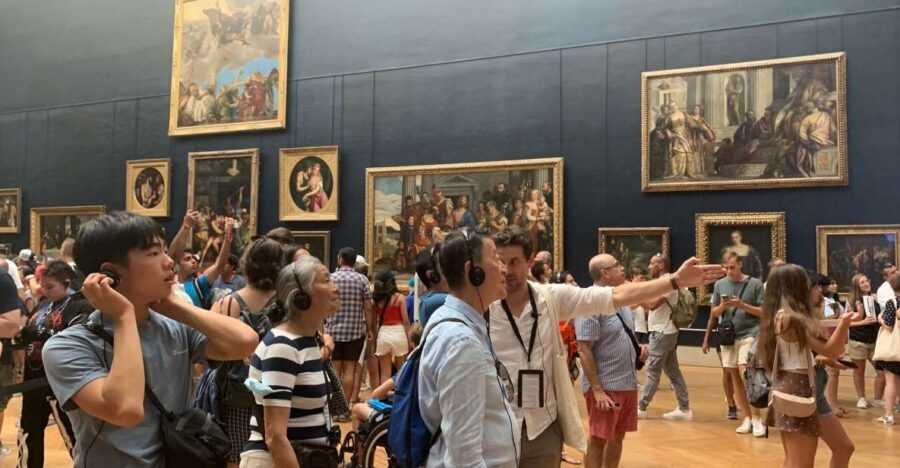
That small size also changes how your guide can work. With fewer people, the guide can keep the route flowing while still pausing for questions, photo stops, and little moments of context. Guides associated with this experience have a strong reputation for storytelling and humor—names that show up often include Jerome, Laura, Mattéo, Patrick, Matteo, Iason, Ashkan, Alban, and Yseult—and that’s a big part of why the museum feels less like a maze.
The other practical win is value. You’re paying for time you don’t have to waste: priority entry plus a tight, high-impact selection of works.
Other Louvre Museum entry tickets in Paris



Getting there smoothly: Café Le Nemours and the Palais Royal exit
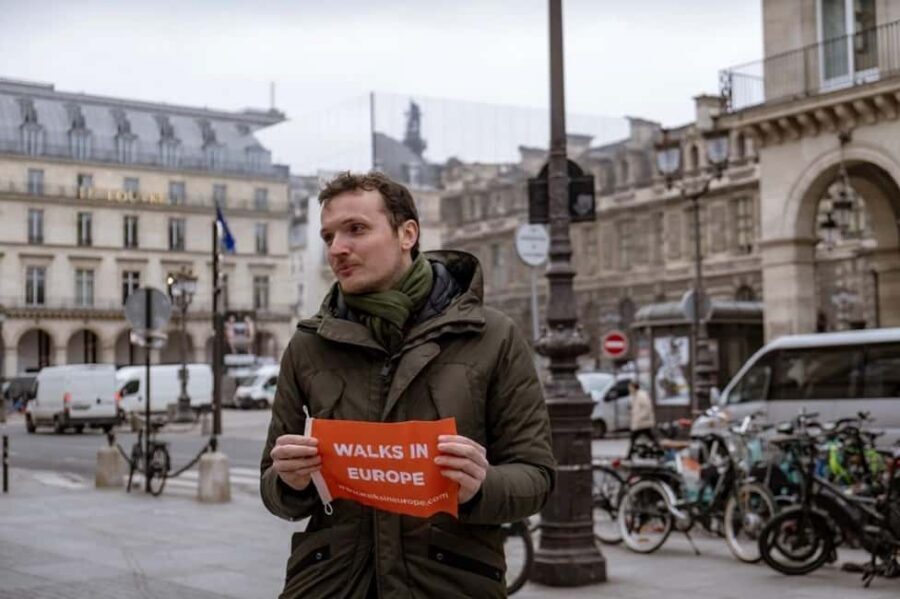
This starts in the right place for moving fast once you’re near the museum. You meet in front of Café Le Nemours, and your guide will be holding a sign that says Walks In Europe.
For the nearest metro option, take Palais Royal and use exit 5, Place Colette. When you come out, turn around and you should see Café Le Nemours right there. In Paris, that kind of clear, visual meeting point matters. You’ll be arriving with nerves and backpacks everywhere—this removes one more variable.
Also, plan around Paris traffic and walking pace. The tour is timed, and it’s not possible to join once it has started. If you’re hoping to “maybe make it,” this is the kind of booking where you should build in extra buffer.
Priority entry at the Pyramid: what you’re really skipping
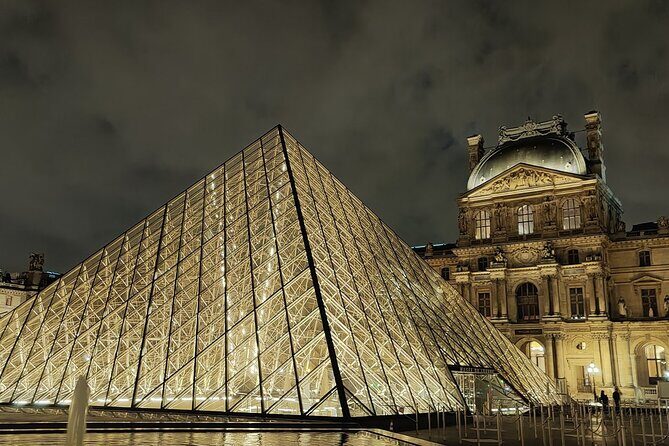
You’ll pass by the Louvre Pyramid, then move into the museum with priority access. The key promise is that your entry uses a separate entrance so you can avoid the longest queue.
But here’s the balance point: you still go through security. In high season, that line can be long. Priority helps most with the main entry flow; it doesn’t erase the fact that everyone has to be processed.
Then comes the timing rule that can make or break your experience. Your tickets are timed and expire within 5 to 10 minutes. That means you should arrive early enough that you’re not sprinting once you’re at the checkpoint. And once you’re inside, remember tickets are used once. If you leave a wing, you won’t be able to re-enter.
That’s why this tour is smart: it gets you into the Louvre and moving. You’re not trying to solve logistics while also trying to see art.
The 2-hour Louvre route: how eight departments stay manageable
The guided portion lasts 2 hours, and it’s designed to cover essential highlights without turning your day into an endurance test. Your route is built to move through eight departments and a museum that contains about 35,000 artworks—which tells you exactly why a guide is the difference between “saw a few famous things” and “understood what those famous things represent.”
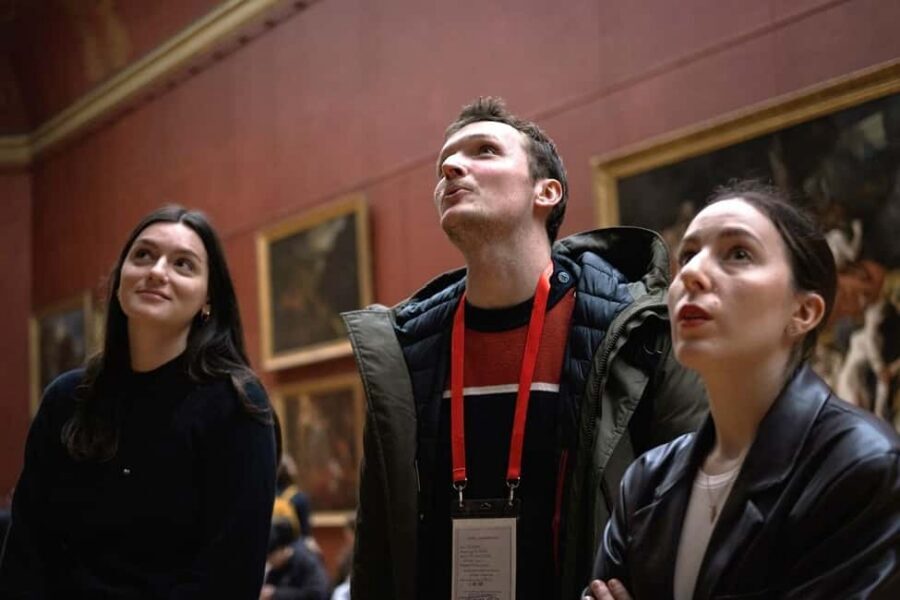
A big part of the value is that your guide doesn’t treat the Louvre like a random collection of rooms. The tour groups masterpieces by theme and era so you can follow the shifts in art style and purpose.
Here are the major stops you’ll see, and what to focus on as your guide explains the stories behind each work:
Renaissance and early greatness: the Italian Renaissance center stage
Expect to spend time on Italian Renaissance highlights, including:
- The Wedding Feast at Cana
- Michelangelo’s Slaves
This is the kind of pairing that helps you “read” the Louvre faster. Instead of seeing paintings and sculpture as separate worlds, you start noticing how artists used drama, form, and religious or mythic subject matter to persuade viewers. Your guide’s job is to make those connections clear—so you don’t just look at famous names.
Other skip-the-line Louvre tickets in Paris





French Romanticism: drama you can feel in the brush and subject
Next comes French Romanticism, with works like:
- The Raft of the Medusa
- Liberty Leading the People
- The Coronation of Napoleon
This section is especially good for first-timers because it links art to big events. You’re not only learning what the pieces are; you’re learning why they mattered to France and how artists made emotion and politics visible. If you like your museums to have stakes, this part delivers.
Neoclassicism and refined focus: Psyche, Cupid, and the Salon Carré vibe
You’ll also encounter neoclassical beauty, including:
- Psyche Revived by Cupid’s Kiss
- The Caryatids
- Salon Carré
Neoclassicism can feel slower if you’re wandering alone. Here, your guide keeps you oriented—explaining what each work is doing stylistically and why the setting matters. Even if you’re not a “style nerd,” the way the guide talks about space and form helps you see why these rooms and sculptures became reference points.
The icons: Mona Lisa, Venus de Milo, and Winged Victory
No Louvre highlights list is complete without the icons. Your route includes:
- Mona Lisa
- Venus de Milo
- Winged Victory of Samothrace
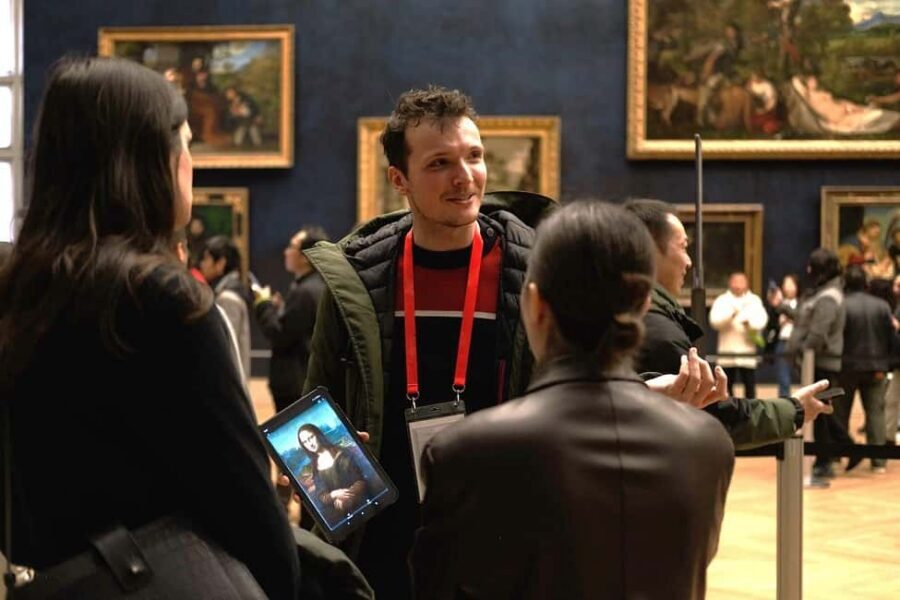
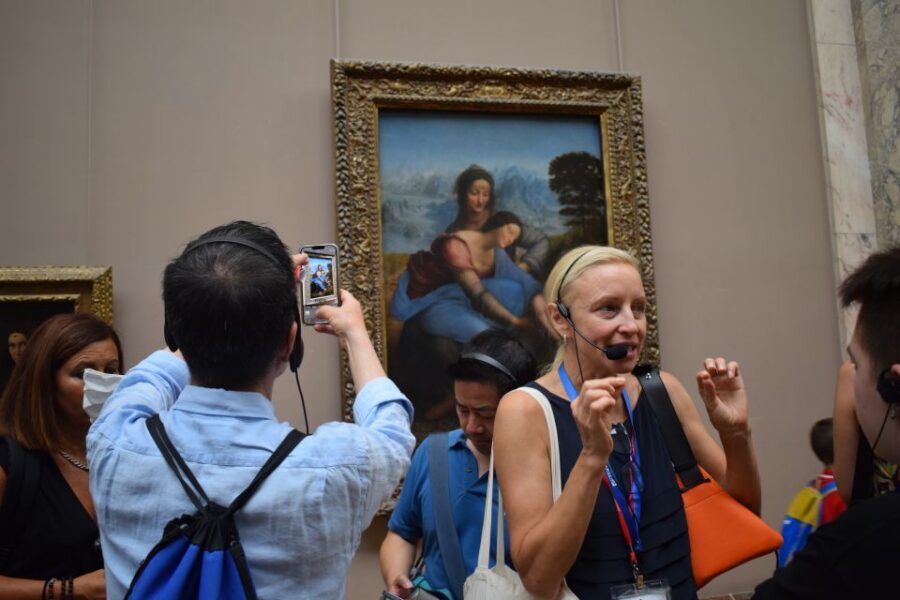
These are the big magnets. The smart part of this tour is that you don’t treat them like checkboxes. Your guide shares the stories and details that explain why they became symbols of the museum itself.
What I recommend you do during the tour (so 2 hours feels longer)
The tour is tight by design, so you’ll get more out of it with a simple game plan:
- Pick one or two themes you care about before you arrive. For example: politics and power (Liberty and Napoleon), or myth and storytelling (Psyche and Cupid). Then let your guide connect the dots across the route.
- Ask at least one question early. With a group capped at six, you’ll usually get a clearer answer than in a giant crowd tour.
- Don’t over-schedule right after. Even though the guided time is 2 hours, you’ll probably want to linger once you see what you came for.
After the tour: using your pre-reserved tickets wisely
Here’s a real advantage: when the guided portion ends, you’re allowed to remain inside the museum and explore at your own pace with your pre-reserved tickets.
Just keep two rules in mind. First, your tickets can only be used once, so if you step outside and try to re-enter, it won’t work. Second, tickets are timed and tied to entry, and you may not be able to return if you leave one of the museum wings.
So how do you make this work in practice? I’d use the tour like your “map + context” hour. Then after, go back to the works that mattered most to you—whether that’s the icons, the Renaissance pieces, or the Romanticism trio.
If you’re the type who gets overwhelmed easily, this is a great way to transition from guided focus to personal wandering without losing the plot.
Guide style: licensed expertise with room for personality
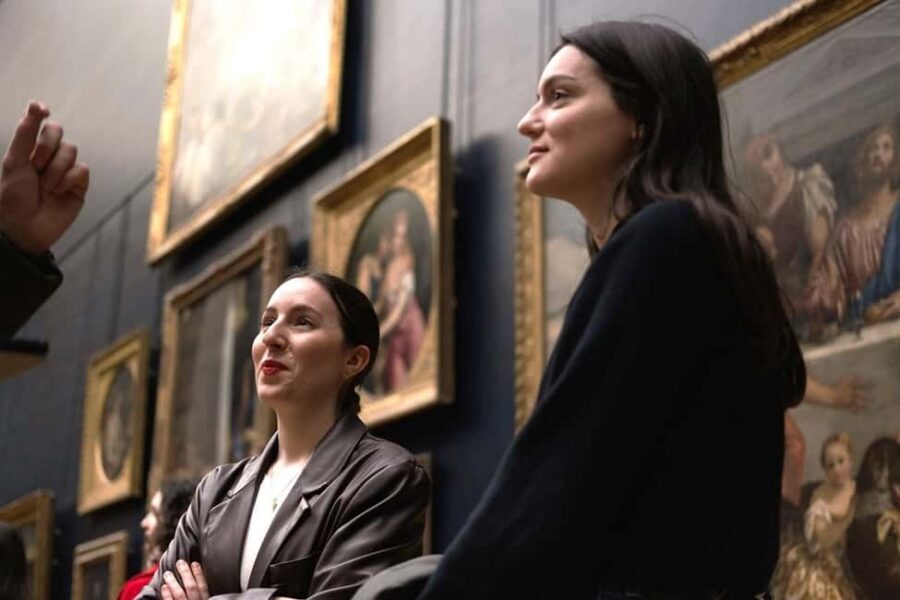
You’re not getting a generic lecture. This tour includes a professional licensed guide for the Louvre Museum with English and German available.
The small group format also seems to bring out guide personality. In past experiences with guides tied to this program, people specifically highlighted things like engaging storytelling, humor, and the ability to keep different ages interested. Names that came up with that kind of energy include Mattéo (noted for keeping kids engaged), Iason (described as passionate and interactive), and Ashkan (praised for helping people not feel lost in the crowded museum).
Even if you don’t remember every detail later, that guide-led structure helps you remember what you felt. You leave with a clearer sense of how the Louvre organizes greatness.
Price and value: why $152 can make sense
At $152 per person for a 2-hour small-group tour, this isn’t a “cheap museum day.” But the value equation here is pretty logical:
- You’re paying for pre-reserved priority entry, which saves time at a place where time is the real luxury.
- You’re paying for a licensed guide, not just someone who knows directions.
- You’re paying for a route that covers major masterpieces across multiple departments, so you don’t wander for hours hoping to stumble onto what you came for.
- You still get the bonus of staying inside after the tour.
If you’re short on time in Paris, or you want to maximize what you see in the first visit, paying for this kind of structure often ends up cheaper than the alternative: buying tickets and then spending most of your day trapped in uncertainty and lines.
Who this Louvre tour fits best (and who should skip it)
This works best if you:
- Want the highlights without the stress of navigating the Louvre alone
- Appreciate a guide telling you the stories behind famous works
- Prefer a calmer experience with up to six people
- Plan to enjoy more museum time after the tour ends
It may not be the right match if you have mobility needs. This experience is not suitable for people with mobility impairments or wheelchair users.
Also, it’s worth choosing this only if you can commit to being on time. Timed tickets, security, and the rule about not joining after the tour starts all point to one thing: arrive early, then relax.
Should you book the Louvre Masterpieces Tour with pre-reserved priority tickets?
I’d book it if you want a Louvre day that feels organized, story-driven, and time-efficient. The priority entry plus the small group cap is exactly what helps at a museum this size. And because you can stay after the 2-hour guided portion, you’re not paying for a one-and-done sprint—you’re buying a smart start.
I’d hesitate if you’re someone who hates timed ticket pressure, or if you need a wheelchair-friendly route. For everyone else, this is one of the more practical ways to see the Louvre’s top icons while still understanding what you’re looking at.
If you do book, the best move is simple: arrive early enough to handle security, keep your day open after the tour, and come in with at least a couple masterpieces you want to leave knowing more than you did when you walked in.
FAQ
How long is the guided portion of the tour?
The guided tour lasts 2 hours.
Where do I meet the guide?
Meet in front of Café Le Nemours. Your guide will be holding a sign with Walks In Europe.
Which metro stop is closest?
The nearest metro station is Palais Royal. Use exit 5, Place Colette, then turn around to find Café Le Nemours.
Are the Louvre tickets timed?
Yes. Tickets are timed and expire within 5 to 10 minutes, and they can only be used once.
What should I bring and what can’t I bring?
Bring your passport or ID card. Luggage or large bags, umbrellas, and mobility scooters are not allowed.
Is this tour suitable for wheelchair users or people with mobility impairments?
No. It is not suitable for people with mobility impairments or wheelchair users.