REVIEW · PARIS
Louvre Museum: Skip-the-Line Small Group Guided Tour
Book on GetYourGuide →Operated by UTG EXPERIENCE · Bookable on GetYourGuide
Two hours inside the Louvre beats wandering. This skip-the-line small-group tour gets you into the museum faster and follows a smart route that connects top sights like the Mona Lisa, Venus de Milo, and the Egyptian mummies into one tight visit.
I also like that the focus stays on meaning, not just names—guides explain what you’re seeing and why it mattered, so the masterpieces land with less effort on your part.
The one thing to plan for: security can still slow you down. Even with priority entry, peak-season waits at the checkpoint can be up to 20 minutes.
In This Review
- Key Points You’ll Care About
- Why This 2-Hour Louvre Route Works (and What It Doesn’t)
- Getting In Fast: Priority Access, Security, and the Meeting Point
- Louvre Pyramid Pass-By: What It Signals About the Route
- Venus de Milo to the Museum Highlights You’ll Remember
- Napoleon’s Apartments: Crown-Jewel Decor and Palace-Grade Drama
- Egyptian Department Stops: Sphinx, Mummies, and the Basement Foundations
- How Small Groups and Headsets Change Your Experience
- The Route’s Hidden Perks: Pacing, Photo Angles, and a Useful After-Plan
- Price and Value: Is $114 Worth It for Two Hours?
- What to Wear and Bring (So You Don’t Lose Time)
- Who This Tour Is Best For
- Should You Book This Skip-the-Line Louvre Tour?
- FAQ
- Is the Louvre Museum closed on any day during the week?
- How long is the guided tour?
- Does the tour include the museum entrance ticket?
- What languages are offered for the live guide?
- Will I still wait for security even with skip-the-line access?
- Are large bags allowed inside the Louvre?
Key Points You’ll Care About
- Priority entrance saves time, but you still need to go through security
- Napoleon’s apartments are part of the highlight run, including the crown-jewel display
- Egyptian department stops include a sphinx and mummies, plus even the castle foundations in the basement
- A small group means easier pacing, with a headset included so you don’t strain to hear
- Your guide’s storytelling matters; names like Ivan, Habib, Benedict, and Claudia show up in feedback again and again
Why This 2-Hour Louvre Route Works (and What It Doesn’t)

The Louvre is not a museum you casually “finish.” It’s more like a city inside a palace—endless halls, constant temptations to spin in the wrong direction. This tour’s real value is that it gives you a plan for the limited time you have, instead of hoping you’ll bump into the right rooms by luck.
In two hours, you’re not going to see everything. The upside is that you’ll see the big, high-impact works that most first-timers want, plus a few dramatic stops that feel like you’re getting the Louvre’s best stories, not just its best photos.
You’ll also benefit from a group format that feels manageable. Small group tours are easier to keep together, and the headset helps you hear explanations without doing the tourist squint.
Other guided Louvre Museum tours in Paris



Getting In Fast: Priority Access, Security, and the Meeting Point
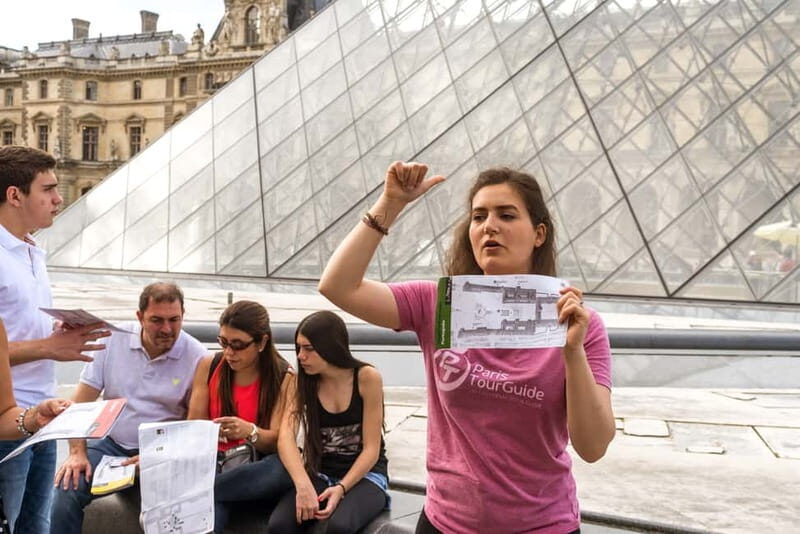
You’re buying into a basic idea: skip the ticket lines via a separate entrance. That’s a good deal in a museum where the standard approach can turn into a long wait even before you see a single painting.
Still, don’t treat priority access as a magic wand. There can be a wait at security—up to about 20 minutes during high season. If you’re traveling at a busy time, I’d show up early enough to absorb that reality without stress.
Meeting points can vary depending on the option you book, so check your exact address. One practical tip from feedback: the correct meeting street is along the long side of the Louvre, and map apps can send you to the wrong spot. Bring a little patience at the start and use the tour details to anchor yourself.
Louvre Pyramid Pass-By: What It Signals About the Route

You’ll pass the Louvre Pyramid right away. It’s not the main event here, but it sets the tone: you’re being funneled into the building efficiently rather than meandering. Think of this as the tour’s way of getting you oriented quickly before the real viewing begins.
This also helps if you’re a bit overwhelmed by the Louvre’s scale. One landmark at the start, then straight to works you can actually process in 120 minutes.
Venus de Milo to the Museum Highlights You’ll Remember
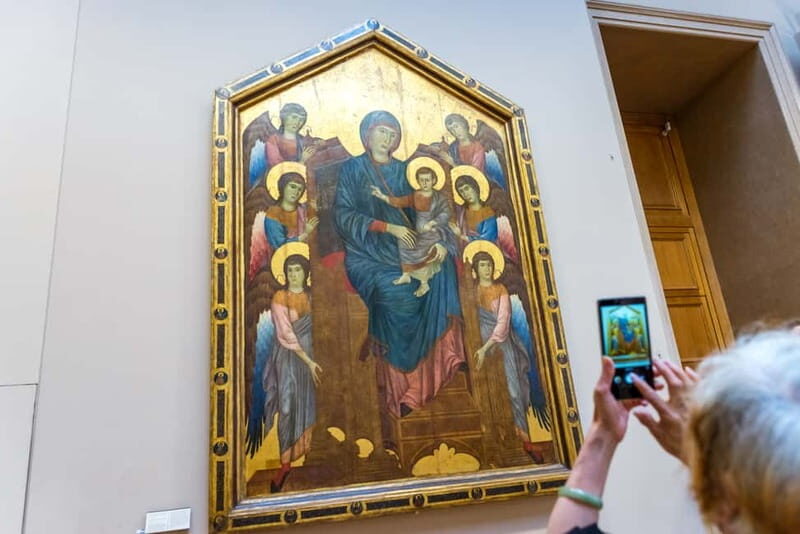
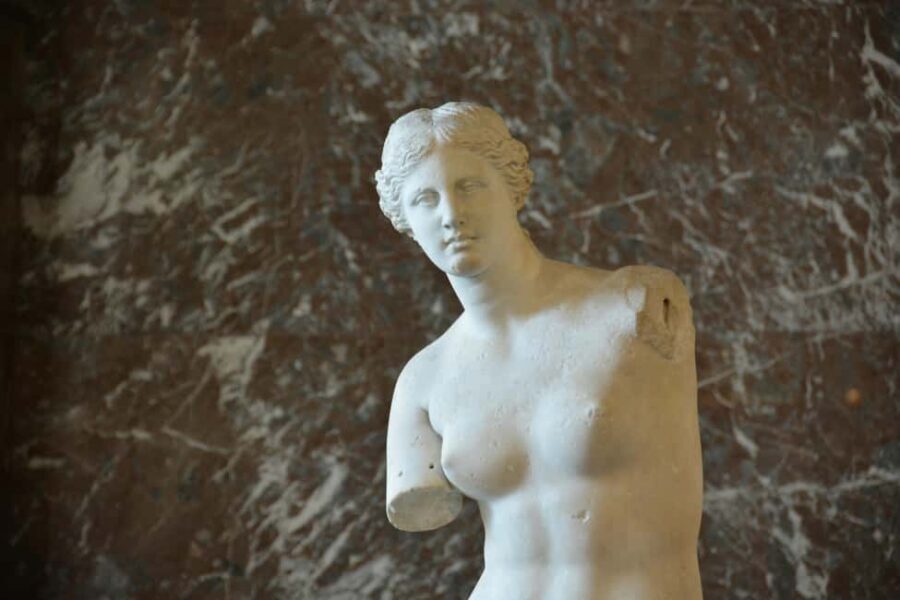
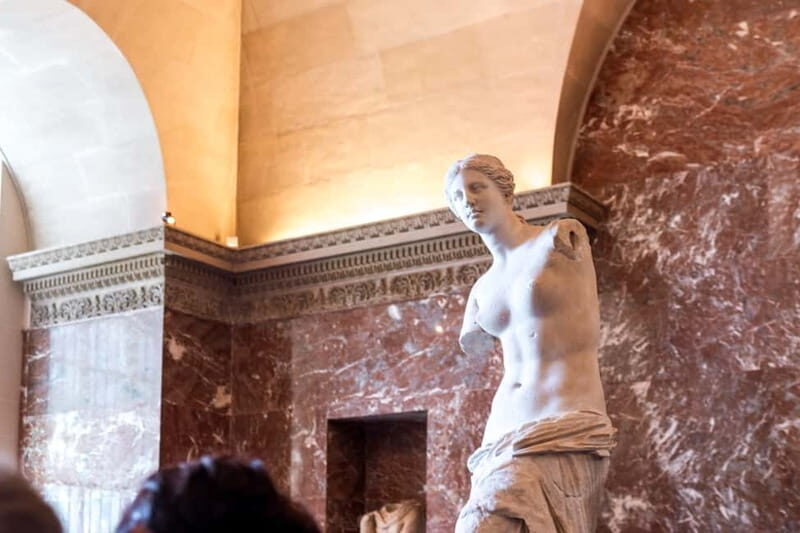
A key first museum stop is the Venus de Milo. It’s one of those sculptures where the aura is real: even if you’ve seen it in books, seeing it in person hits differently. The guide’s job is to point out what you’re looking at—form, pose, and why it became such a reference point for artists after it first entered the spotlight.
From there, the tour steers you through a curated highlight track that includes major hits and storytelling moments, such as:
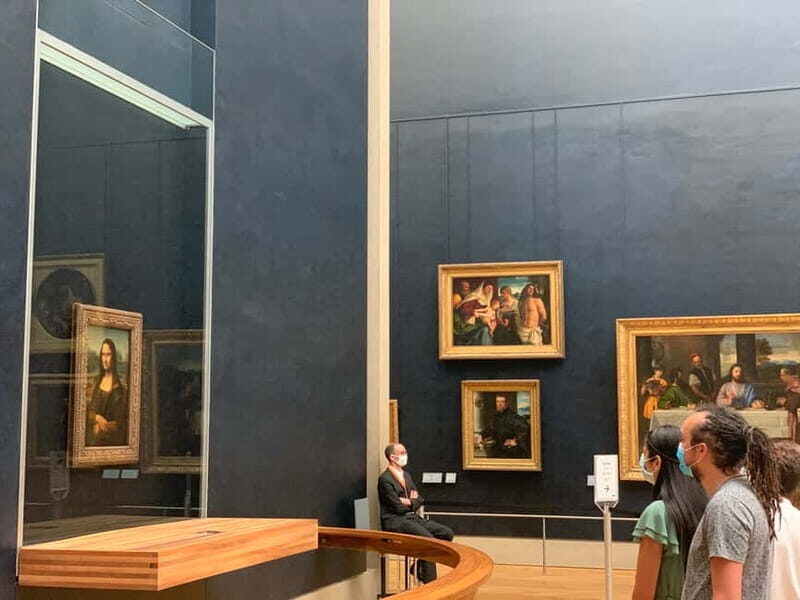
- Leonardo da Vinci’s Mona Lisa
- Canova’s Psyche Revived by Cupid’s Kiss
- Géricault’s Raft of Medusa
You’ll also hear context that’s easy to miss if you’re self-guiding. The big advantage isn’t just the information—it’s that the route is designed to keep you from spending your energy trapped in the Louvre’s maze of choices.
Napoleon’s Apartments: Crown-Jewel Decor and Palace-Grade Drama
If you like your art with a side of power and politics, Napoleon’s former apartments are a standout. The tour calls them out for a reason: the décor is stunning in a very different way from the gallery walls. This is the Louvre flexing as a former palace, not just an art storage vault.
You’ll also see crown jewels during this segment. That changes the feeling of the visit—suddenly the Louvre isn’t only about paintings and sculpture. It’s about how rulers displayed status, craft, and control.
This part can feel like a mini time-travel within the bigger museum. And because the tour is short, it’s one of the best uses of time if you’re only going once.
Other skip-the-line Louvre tickets in Paris





Egyptian Department Stops: Sphinx, Mummies, and the Basement Foundations

Most people think of the Louvre as Renaissance and Baroque. This tour breaks that habit with Ancient Egypt. You’ll see the Egyptian department highlights, including a sphinx and mummies, and that shift is what makes the visit feel more complete than a standard “greatest paintings only” loop.
It helps that the tour doesn’t treat Egypt like a quick checkbox. The guides typically connect what you’re seeing to the larger idea of how the Louvre collected and presented these artifacts.
Then you get an extra bonus for curiosity: you go to the basement of the Louvre to see the foundations of the castle that once stood on the site. Even if you’re not an architecture buff, it’s a sharp reminder that you’re walking on layers of history—art on top of palace on top of older structures.
How Small Groups and Headsets Change Your Experience

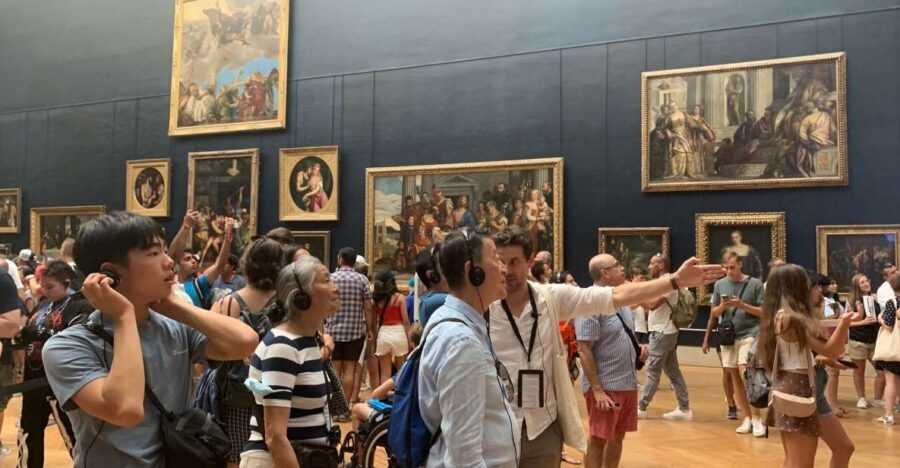
Headsets are included. That matters more than people expect. The Louvre is loud in the way large museums always are—whispers, footsteps, and constant group movement. A headset keeps you from turning every explanation into a guess.
Small-group size is also a real quality lever. If you’re used to big bus-group chaos, this should feel calmer. Feedback often mentions groups around five to six people, sometimes almost private if others don’t show up. If you book for more than six people, you might be separated into different groups during the visit.
Guide quality is the other huge factor. Multiple names came up repeatedly in feedback, including Ivan, Habib, Benedict, Laurent, Frederic, Claudia, and Bea. The common thread: guides explain the art and the stories in a way that makes the collection feel less like random masterpieces and more like a connected world.
The Route’s Hidden Perks: Pacing, Photo Angles, and a Useful After-Plan
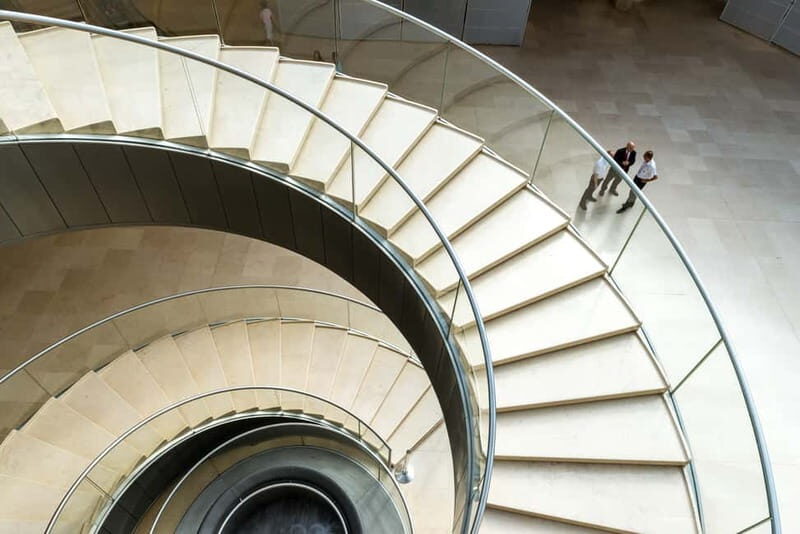
The “highlights” approach isn’t just about speed. It’s about pacing. You spend time where it counts—then you move on before your attention drifts.
You’ll also get practical help with logistics inside the museum. Some guides in feedback even mentioned assistance with things like baggage lockers, quick breaks, and best photo angles—useful stuff when your time is limited and the museum is hard to navigate.
And after you wrap up, I’d add one extra stop to your day: go to the outdoor or roof café area if you have time. One piece of advice from feedback is that the view is excellent from there, and it’s a satisfying way to end the visit once your brain has had its fill of art.
Price and Value: Is $114 Worth It for Two Hours?
At about $114 per person, you’re not paying for “entry only.” You’re paying for several things that are hard to DIY well:
- a licensed guide
- the entrance ticket
- a priority, separate-entrance setup to skip the ticket line
- a headset, so you can actually hear explanations
You could certainly visit the Louvre without a tour and spend the two hours wandering. The problem is that two hours disappears fast in a place this large. For most people, the guided route is what converts time into real viewing, instead of time into frustration.
So I’d think of the price as buying two-hour clarity. If you want the art’s context and a plan that gets you to key works—especially Napoleon’s apartments and Egyptian department highlights—the tour is strong value for your schedule.
What to Wear and Bring (So You Don’t Lose Time)
Bring comfortable shoes. You’ll be moving through galleries and palace rooms, and the museum is not designed for flip-flops and wishful thinking.
Don’t bring luggage or large bags. Items exceeding 55 x 35 x 20 cm are not permitted, so keep your kit compact. If you have bigger bags, plan to use storage where the tour allows time for it, because you don’t want to spend your tour fighting with access rules.
Also note: the Louvre is closed on Tuesdays. That one matters if you’re planning a week itinerary.
Who This Tour Is Best For
This is a great fit if you:
- have limited time and want a high-impact introduction
- like learning what you’re looking at, not just checking off famous names
- want a mix of areas (Renaissance highlights plus Egyptian sights plus Napoleon’s palace spaces)
- prefer small-group energy over the big guided herd
If you’re the kind of person who loves to linger in one room for 45 minutes, you might find two hours a little tight. But for everyone else—especially first-timers—this is one of the most practical ways to see a lot without burning your day.
Should You Book This Skip-the-Line Louvre Tour?
Yes, if you want the smart version of the Louvre in 2 hours. The priority entrance is a real time-saver, and the route hits big-name works plus standout segments like Napoleon’s apartments and the Egyptian department. Add the headset and small-group pacing, and it’s a strong way to get value out of a short visit.
I’d think twice if you’re easily stressed by security lines or if you’re hoping to see a very specific niche collection. Remember: even with priority access, security can still take time, and the tour is designed around highlights rather than full coverage.
If your goal is to walk out with the feeling that you truly saw the Louvre’s best stories—this is the kind of tour that delivers.
FAQ
Is the Louvre Museum closed on any day during the week?
Yes. The Louvre is closed on Tuesdays.
How long is the guided tour?
The duration is 2 hours.
Does the tour include the museum entrance ticket?
Yes. Entrance ticket is included, along with a licensed guide and a headset.
What languages are offered for the live guide?
The tour can run in German, Spanish, Portuguese, and French.
Will I still wait for security even with skip-the-line access?
You can. Even with priority access, there may be a wait at security, and during high season it can be up to 20 minutes.
Are large bags allowed inside the Louvre?
No. Luggage or large bags aren’t allowed, and items larger than 55 x 35 x 20 cm are not permitted.