REVIEW · PARIS
Louvre & Mona Lisa Morning Tour with Reserved Access
Book on GetYourGuide →Operated by City Wonders Ltd. · Bookable on GetYourGuide
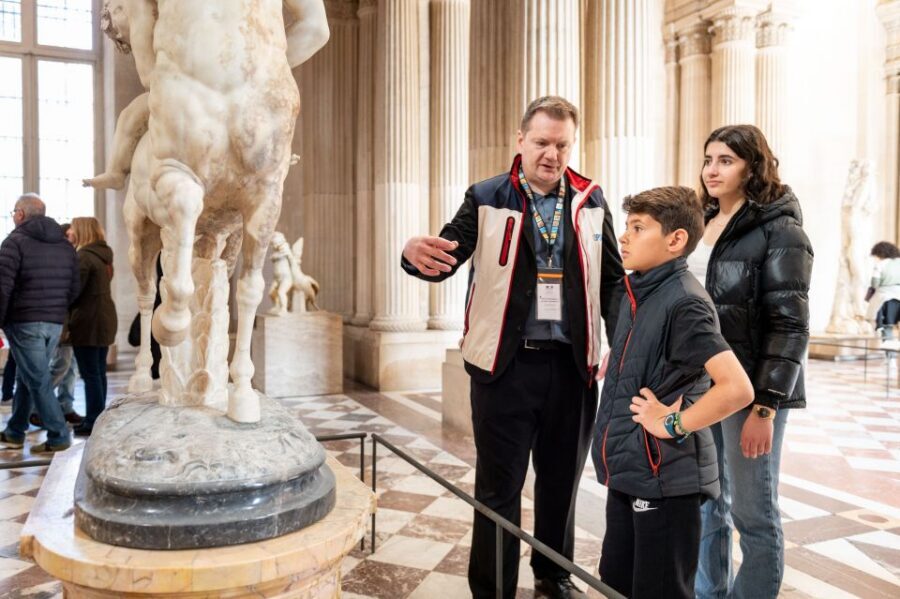
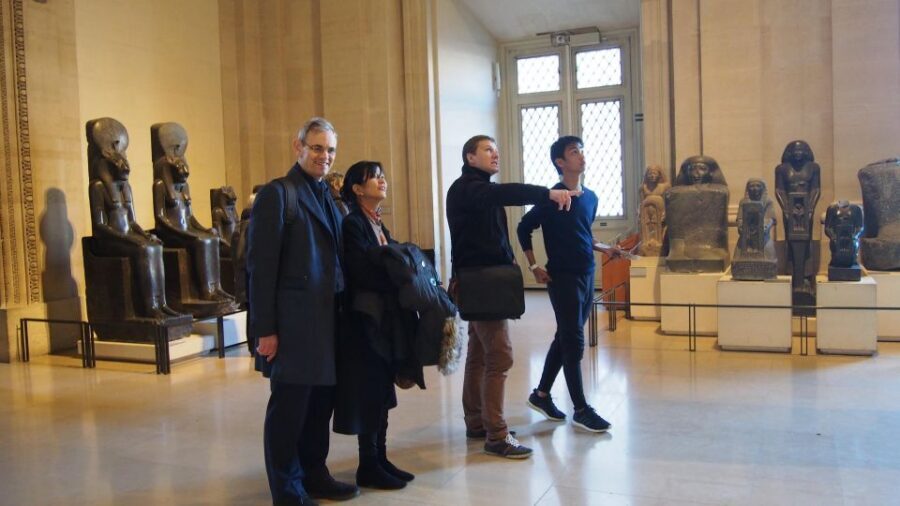
A Louvre morning can either fly or crawl. This tour is built to get you into the museum with reserved access and a plan that hits the big sights fast. You’ll move through the galleries with an English-speaking guide and a headset, so you don’t waste your precious time asking, wait, what room are we in?
I like two things most about this experience. First, you get skip-the-line access plus a reservation, which matters at the Louvre more than almost anywhere else. Second, the tour focuses on heavyweight highlights like Mona Lisa, Venus de Milo, and the Winged Victory of Samothrace, while the guide connects them to context you’d miss on your own.
One consideration: this is still a lot of museum walking in a busy building, and it’s not suitable for wheelchairs. Also, guide quality can make a noticeable difference for your enjoyment, so pay attention to whether you can clearly follow the English narration (some guides have been praised for clear communication, while others weren’t).
In This Review
- Key highlights worth your attention
- Reserved morning access: what it changes inside the Louvre
- Meeting point at Arc de Triomphe du Carrousel: how not to waste the first 10 minutes
- Your 3-hour route: how the highlights fit together
- Mona Lisa in the first phase: what you should do in the room
- Classical anchors: Venus de Milo and the Winged Victory
- Renaissance power plays: Caravaggio, Michelangelo, and Raphael
- Apollo Gallery and Napoleon Apartments: the Louvre as a palace
- Walk smarter: what the rules mean for your comfort
- English guide quality: what to watch for on the day
- Value for $80: is this price actually a deal?
- Who this tour fits (and who should consider a different plan)
- Should you book this Louvre morning tour?
- FAQ
- How long is the Louvre & Mona Lisa morning tour?
- Does this tour include reserved access and skip the ticket line?
- Where do I meet the tour group?
- Is hotel pickup or drop-off included?
- What items are not allowed in the museum?
- Is the tour wheelchair accessible and can I cancel for free?
Key highlights worth your attention
- Reserved morning entry that reduces your fight with crowds right at the start
- Headset support so you can actually hear the guide as you walk
- Museum icons in a short window, including Mona Lisa, Venus de Milo, and the Winged Victory
- Classical-to-Renaissance mix, with stops across Greek/Roman sculpture and Renaissance masterpieces
- Royal palace interiors, including Apollo Gallery and Napoleon Apartments
- Meet at Arc de Triomphe du Carrousel, not at the Louvre entrance, which makes getting there early important
Reserved morning access: what it changes inside the Louvre
If your only plan is to arrive early and hope for the best, the Louvre can still chew up your morning. Lines, security checks, and crowded chokepoints slow everyone down. This tour’s main value is that it helps you sidestep that chaos with reserved morning access, so you spend more time looking at art and less time standing in the wrong place.
You also get an English-speaking expert guide plus a headset. That headset detail is not a small perk at the Louvre. In big rooms, sound carries badly, and people talk over each other. With the headset, you’re free to focus on the paintings and sculptures instead of constantly turning your head toward whoever is talking.
One practical point: you still have to pass Louvre security. Reserved entry reduces the ticket-line drama, but it doesn’t remove security screening. Plan for that, and don’t treat this as a lightning-fast teleport straight into the galleries.
Other skip-the-line Louvre tickets in Paris



Meeting point at Arc de Triomphe du Carrousel: how not to waste the first 10 minutes
The meeting point is one of those details that can make or break your morning, because it’s not at the Louvre Pyramid entrance. You meet beside the Arc de Triomphe du Carrousel, where coordinators wear blue attire.
Here’s the visual trick that helps: stand with your back to the Louvre Pyramid. Look across the road to spot the arc with the horse-drawn chariot on top. Your coordinators stand to the left of the arc along the wall railing.
Do yourself a favor: arrive a bit early and don’t be the person rushing up while the group is already moving. This tour has no hotel pickup, so you’re responsible for getting to that spot on time and in a predictable way.
Your 3-hour route: how the highlights fit together
This is a short, focused 3-hour tour, and the guide’s job is to steer you through the Louvre efficiently. You’ll see a concentration of the museum’s most famous works alongside other major masterpieces, without trying to cover the entire museum floor (which is usually the fastest path to exhaustion and disappointment).
Based on what this tour is designed to show, your morning blends four big categories:
1) Icons you came for, like Mona Lisa
2) Classical sculpture, including Venus de Milo and the Winged Victory of Samothrace
3) Renaissance and masters, with artists such as Caravaggio and Michelangelo (and the tour also references Raphael among the Renaissance stops)
4) The Louvre as a former royal palace, with Apollo Gallery and Napoleon Apartments tying the art back to the building’s original power
That sequence matters because each section gives you a different way to read the Louvre. The museum is not just art—it’s also architecture, monarchy, and political storytelling.
Mona Lisa in the first phase: what you should do in the room
Let’s be honest: Mona Lisa is a crowd magnet. The painting is tiny compared to the attention it gets, and without a plan you can end up blocked or staring at people’s shoulders instead of the artwork.
This tour’s reserved morning access helps you reach the Mona Lisa area in a more controlled way. Your guide will also add structure so you’re not just seeing a famous painting from five feet back. You’ll get enough time to see it properly and connect it to details that turn the myth into something more human.
A small practical tip: once you reach the painting, take a moment to adjust where you stand. The Louvre’s famous pieces can feel claustrophobic because sightlines get crowded. Use your time smart—look first, then listen to the guide, then look again. That loop is where the painting starts to make sense beyond its reputation.
Classical anchors: Venus de Milo and the Winged Victory
If Renaissance art is about emotion and technique, the Louvre’s classical collection often feels more grounded: stone bodies, original proportions, and a sense of physical presence.
On this tour you’ll see Venus de Milo and the Winged Victory of Samothrace. These aren’t just famous names. They’re works that help you understand how ancient sculpture communicated ideal beauty and power through pose and gesture.
The guide’s value here is speed with meaning. In a big museum room, it’s easy to skim. With a structured tour, you get prompted to notice what matters: the form, the movement implied by the pose, and what you’d miss if you only look at a piece’s popularity.
Other Mona Lisa tours at the Louvre






Renaissance power plays: Caravaggio, Michelangelo, and Raphael
The Louvre is full of Renaissance masterpieces, but in a short tour you need help picking what to see and why. This morning tour targets big names and key works, including Caravaggio and Michelangelo, plus Renaissance highlights tied to Da Vinci and Raphael.
You’ll also encounter sculpture stops like Michelangelo’s Dying Slave and Canova’s Psyche Revived. Seeing sculpture mixed into the Renaissance plan is smart because it breaks the rhythm. Paintings can all blur together when you’re sprinting from room to room. Sculpture forces you to slow down your eyes and read the space around the artwork.
A note on pacing: a 3-hour tour can’t be a slow reading experience. What it can do is give you a strong first pass with context, so you leave with a clearer sense of what you liked and what you want to come back for.
Apollo Gallery and Napoleon Apartments: the Louvre as a palace
This is the part that surprised me the most, even in how the tour frames it. The Louvre isn’t just a museum building; it used to be part of royal life, and that comes through in spaces like the Apollo Gallery and Napoleon Apartments.
When you see these areas during a guided morning visit, you start noticing the Louvre differently. Instead of only thinking art, you start thinking power, display, and status. That context helps the works you’re seeing feel less random and more intentional.
If you like architecture or want your art to come with stories beyond the label, this is one of the best uses of a short tour window.
Walk smarter: what the rules mean for your comfort
The tour involves a fair amount of walking, so I recommend treating this like a light hike with culture. Wear supportive shoes and keep water in mind. You won’t be sitting much, and the Louvre’s indoor paths can feel longer than they look on a map.
Also check the carry limits. Baby strollers aren’t allowed, and luggage or large bags aren’t allowed. Any item exceeding 55 x 35 x 20 cm is not permitted inside the museum. If you’re traveling with a bigger bag, you’ll need a plan before you arrive, because you don’t want to get stopped at the wrong moment.
Two more logistics points that are easy to miss:
- Parties of 7 or more people may be split into different groups at the meeting point.
- This tour is not suitable for wheelchair users.
Those rules don’t ruin the experience, but they affect comfort and flow. If your group is right at the split threshold, try to stay calm if the coordinator organizes movement.
English guide quality: what to watch for on the day
The tour is advertised as English with an expert guide, and many guides have been praised for clear, organized storytelling. I’ve seen specific names highlighted like Lily and Summer, both described as cheerful, professional, and good at keeping things simple and clear.
But here’s the reality check: English communication quality still matters. If you can’t follow the narration well, you lose some of the tour’s value, because the whole point is that a guide connects the dots quickly.
If you notice the guide isn’t clearly understandable, don’t pretend you’ll catch up later. Keep listening, and if your group seems to move away from you, ask Louvre staff for help locating the right room or where the tour is heading next. This is one of the few scenarios where using museum staff can save your morning.
Value for $80: is this price actually a deal?
At $80 per person for a 3-hour guided experience, you’re paying for more than “entry to the museum.” You’re paying for reserved access, a guide, and headset support.
The package includes the entrance ticket and a reservation fee. The entrance ticket is 22€ and the reservation fee is listed as 70€ per group. That matters because the fee is where most of the “efficiency” lives: the tour is trying to buy back your time.
So is it worth it? It depends on you:
- If you want to see the big icons without spending your morning stuck in lines and wandering, this can be good value.
- If you’re happy doing a self-guided Louvre run with no structure, you might do better buying a regular skip-the-line style ticket and arriving early on your own.
There’s also a special note that changes the math for some people: entry at the Louvre is free for EU visitors aged 18 to 26. If you fit that category, your “ticket” cost advantage disappears, and you’re mainly paying for the guide and reservation convenience.
Who this tour fits (and who should consider a different plan)
This morning format works best for you if:
- you want a curated Louvre highlights run in a single session
- you prefer not to fight the museum crowd logic on your own
- you like art history with guidance, especially for famous pieces like Mona Lisa and major classical sculptures
It may not be ideal if:
- you need wheelchair access (the tour isn’t suitable)
- you’re traveling with bulky luggage or anything over the size limit
- you want a slow, linger-all-day museum experience (3 hours is focused, not leisurely)
If you’re sensitive to sound or you tend to get lost in crowds, the headset is a big plus. If you have trouble with sustained walking, plan breaks outside the main routes.
Should you book this Louvre morning tour?
I think you should book this tour if you’re coming to the Louvre for highlights and you want a guide-driven path that makes the time count. The reserved morning access plus headset support is exactly what helps in a museum where the biggest challenge is often not the art—it’s the crowd.
I’d hesitate if you’re expecting a super flexible, slow-moving experience, or if you know you need a very accessible setup. I’d also consider doing a self-guided plan if you’re already comfortable navigating the Louvre and you can handle the randomness of where lines and congestion will hit.
If your goal is a confident, first-pass Louvre morning with Mona Lisa, classical icons, Renaissance names, and palace interiors in one focused session, this is a strong bet. Just show up ready to walk, travel light, and find your meeting point without stress.
FAQ
How long is the Louvre & Mona Lisa morning tour?
The tour duration is 3 hours.
Does this tour include reserved access and skip the ticket line?
Yes. It includes reserved access to the Louvre Museum and helps you skip the ticket line.
Where do I meet the tour group?
You meet beside the Arc de Triomphe du Carrousel. Coordinators in blue attire stand to the left of the arc along the wall railing.
Is hotel pickup or drop-off included?
No. Hotel pickup and drop-off are not included.
What items are not allowed in the museum?
Baby strollers are not allowed. Luggage or large bags are not allowed, and items exceeding 55 x 35 x 20 cm are not permitted.
Is the tour wheelchair accessible and can I cancel for free?
The tour is not suitable for wheelchair users. Free cancellation is available up to 24 hours in advance for a full refund.