REVIEW · PARIS
Louvre Museum Access Private Guided Visit
Book on Viator →Operated by Paris in person · Bookable on Viator
Two hours is the real magic trick here. This private Louvre guided visit turns the world’s biggest museum into a clear, human-sized art story you can actually finish. You’ll go with a professional art historian guide (in English) and a route built around major masterpieces and key art movements.
I especially like two things. First, you get the big-name hits like the Nike of Samothrace and the Mona Lisa, plus important works that you’d likely miss if you just wandered. Second, you move through art in a logical sequence—Roman, Greek, Medieval, Italian Renaissance, Romanticism, and Neoclassicism—so the Louvre feels like one connected timeline instead of disconnected rooms.
The main drawback is simple: two hours is still a sprint in the Louvre. You’ll see a focused set of rooms and themes, not everything, so you may want to plan a little free time after your tour to chase the parts you liked most.
In This Review
- Key highlights at a glance
- Why a private, 2-hour Louvre plan is worth paying for
- Starting at Arc de Triomphe du Carrousel: an easy start, no maze
- The art timeline route: from Greek masterpieces to Neoclassicism
- Mona Lisa stop: a must-see, with context
- The Roman gallery: influence you can actually spot
- Greek works: where European art’s foundations get clearer
- Medieval art: the bridge to Renaissance thinking
- The Great Gallery: Italian Renaissance as the centerpiece
- Romanticism gallery: fiery, dramatic painting
- Neoclassicism gallery: poised and controlled elegance
- Guides make or break this kind of sprint
- Price check: what $301.71 buys in real value
- Practical tips so your two hours feel smooth
- Should you book this Louvre private highlights tour?
- FAQ
- What is included in the $301.71 per-person price?
- How long is the Louvre visit?
- What will we see during the tour?
- Where is the meeting point and where does the tour end?
- Is the tour only for adults?
- Can I change or cancel my booking?
Key highlights at a glance
- Private art historian guide in English focused on art context, not just pointing
- Timed-entry style access so you’re not stuck in the worst waiting
- A tight route that includes Mona Lisa and the Nike of Samothrace
- A guided art timeline from Greek and Roman roots to Renaissance, Romanticism, and Neoclassicism
- Short, digestible stops (about 15 minutes each) that keep you moving
- Mobile ticket and only your group for a calmer visit than crowded group tours
Why a private, 2-hour Louvre plan is worth paying for

The Louvre can feel like a whole country of galleries. If you try to do it alone, you can easily spend a lot of time moving, re-checking maps, and getting pulled into side corridors that don’t match your interests. This private setup matters because it compresses decision-making into a guide’s plan.
You’re also paying for interpretation. A professional art historian guide doesn’t just tell you what the work is; they help you see what changed over time—style, technique, and ideas. That’s how a trip becomes more than a checklist. You’re not only looking at famous objects; you’re understanding why they mattered and how later European art borrowed from them.
And yes, you get major moments. Expect high-demand stops like Mona Lisa. The tour is designed so you’re not standing around wondering where to go next or how to fit it all in without losing your whole day.
Other private Louvre tours in Paris



Starting at Arc de Triomphe du Carrousel: an easy start, no maze
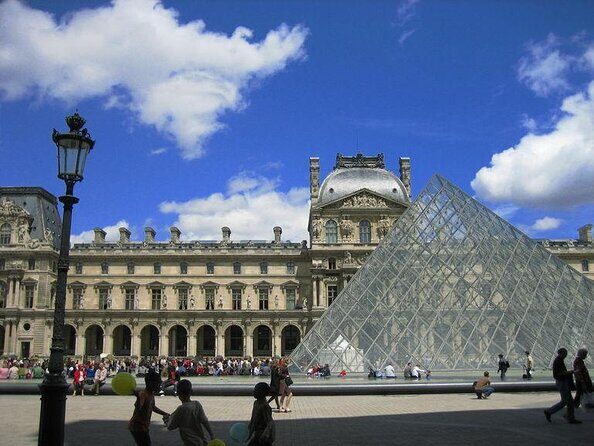
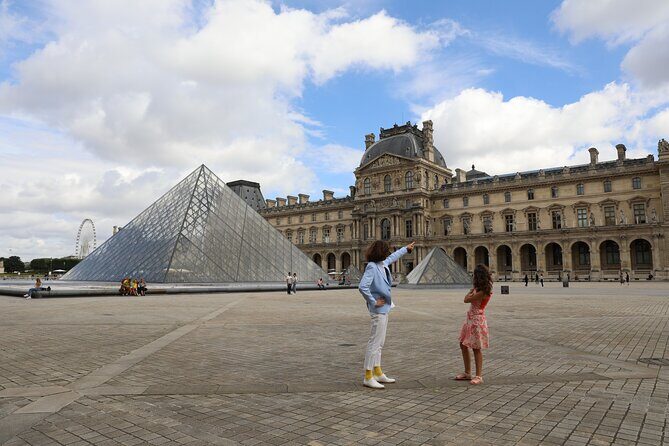
Your meeting point is Arc de Triomphe du Carrousel, Pl. du Carrousel, 75001 Paris, and the tour ends back at the same place. That simple loop is a big deal in Paris. After two hours inside the Louvre, you don’t want to spend more energy figuring out your next transit step.
The location is also described as near public transportation, which helps if you’re combining the Louvre with other sights that day. If you’re trying to keep your schedule tight—especially with limited museum time—having a fixed start and finish makes your day feel controlled.
One more practical point: the tour is private, meaning only your group participates. In a place this crowded, that often feels calmer than joining a larger group where you have to keep pace with everyone else.
The art timeline route: from Greek masterpieces to Neoclassicism
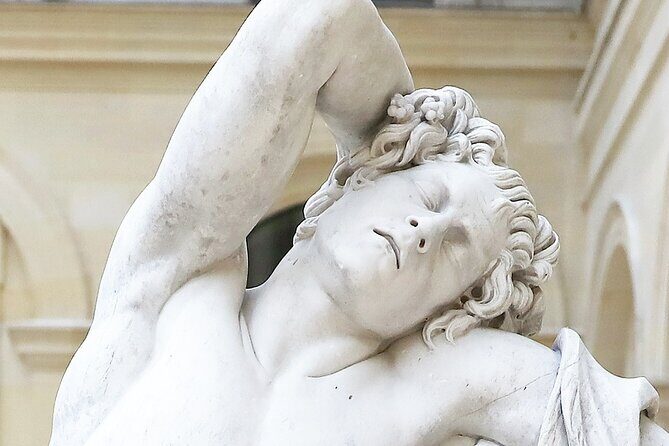
This visit runs about 2 hours and is organized into several focused stops, each around 15 minutes. The idea is smart: you get a concentrated look at major galleries without getting exhausted in the back-and-forth of a self-guided loop.
Here’s what the route is designed to cover, and what you can look for at each stop:
Mona Lisa stop: a must-see, with context
The first major stop is the Louvre’s best-known section—people come for the Mona Lisa, and for good reason. What makes this tour valuable is that you’re not just staring at a famous face. You’re given a frame for what you’re seeing and why this kind of painting helped shape European taste.
If you’re worried the Mona Lisa experience will feel too rushed, note that the guide’s job here is to make those minutes count. You’ll get to the work, understand what makes it significant, and move on without wasting time hunting for the next room.
Potential consideration: this is the Louvre. Even with efficient entry, the area around the most famous works can be busy. Your best move is to lean into the guide’s timing so you’re not stuck in a slow-moving crowd for the entire stop.
The Roman gallery: influence you can actually spot
Next comes the Roman gallery. Roman art matters because it connects Greek and earlier Mediterranean traditions to the way later European culture expressed power, ideals, and identity. When you see Roman works with a guide’s framing, you start noticing patterns—how style choices carry forward, and how subject matter evolves.
Why this stop is useful: it helps you understand that the Louvre isn’t only about pretty objects. It’s about cultural transmission—what societies copied, adapted, and turned into their own language of art.
Potential consideration: if you’re only in the mood for painting and portraits, sculpture and artifacts may feel like a different pace. Still, this stop pays off if you want a real art-history arc.
Other guided Louvre Museum tours in Paris






Greek works: where European art’s foundations get clearer
Then you move into Greek works of art—crucial for understanding the backbone of later European artistic culture. Greek art is often taught as the start of a long story, but here it’s more than a label. You’ll get the practical reason guides emphasize it: later artists borrowed forms, ideals, and visual rules.
What to do with this stop: pay attention to the proportions, the sense of presence, and how the art tries to communicate ideal form. Even if you don’t consider yourself an art person, Greek sculpture often becomes easier to read once someone points out what to look for.
Potential consideration: Greek works can feel “static” at first if you’re expecting drama like you’d get from later paintings. Think of this stop as learning the grammar before the poetry.
Medieval art: the bridge to Renaissance thinking
After Greece and Rome, you’ll see Medieval art and how it influences the Renaissance period. This is one of the most misunderstood transitions in European art. The Renaissance didn’t arrive out of nowhere; it grew out of older systems, symbols, and ways of depicting sacred and everyday ideas.
This stop is valuable because it gives your brain a connection. You’re less likely to see the Renaissance as a totally separate world once you’ve been shown what came before.
Potential consideration: Medieval art can be visually dense, with lots of symbolism. If your tour pace feels quick, rely on the guide to translate the key ideas instead of trying to read every detail on your own.
The Great Gallery: Italian Renaissance as the centerpiece
The Great Gallery is described as the focal point, centered on Italian Renaissance art. This is the period many people think of as the pinnacle of European painting, and the tour is structured so you reach it after the earlier context has done its job.
When you’re in the Great Gallery with a guide, you’ll likely understand what makes the Renaissance special: the shift toward believable space, refined storytelling, and the way artists used technique to create a persuasive kind of reality.
Potential consideration: this is a high-traffic area. If you’re sensitive to crowds, you’ll want to let the guide’s route do the heavy lifting.
Romanticism gallery: fiery, dramatic painting
Next is the Romanticism gallery, where the mood turns more emotional and dramatic. This is where you can start feeling how tastes changed. If earlier rooms taught you structure and tradition, Romanticism is about reaction—how artists pushed feeling, intensity, and drama into the foreground.
Look for the way the artwork directs your attention. Romantic scenes often feel like they’re pulling you into a moment, not just presenting an object.
Potential consideration: if you’re expecting sculpture all day, Romanticism is an intentional change. But that’s part of why the route works—you get contrast.
Neoclassicism gallery: poised and controlled elegance
Finally, you end at Neoclassicism, described as elegant, poised, and sophisticated. After Romanticism’s intensity, Neoclassicism can feel like a cool, controlled reset. The style often emphasizes order, clarity, and idealized structure.
This closing stop helps your mental timeline end with a clear style category—one you can recognize even if you later see a few works on your own.
Potential consideration: if you’re extremely attached to one movement (like only Greek sculpture), the ending might feel like it moves on quickly. That’s the trade-off for a tour that covers more than one era.
Guides make or break this kind of sprint
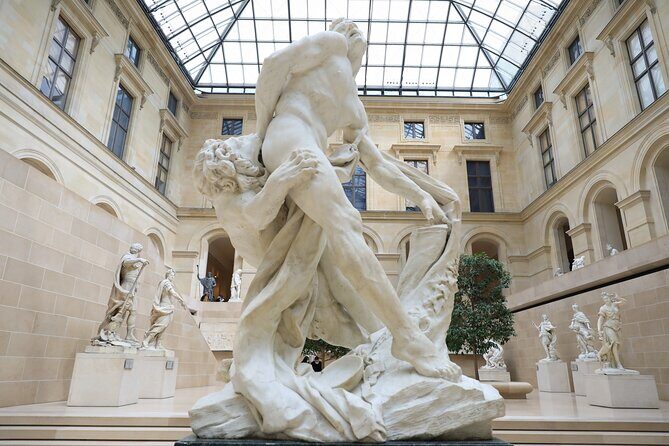
The Louvre is big, crowded, and easy to misread. The strongest part of this tour is the guide experience—art historian framing, practical pacing, and a sense of humor that keeps things light without skipping the serious ideas.
The names that show up across this experience include Boris, Boraz, Tina, Mila, Amy, Anne, Steph, Adi, and Anya. You’ll likely notice a pattern in how these guides work: they meet you on time, move efficiently, and tailor the route to what you care about when possible.
A few guide strengths matter a lot for the kind of itinerary you’re doing:
- Punctual, organized start so you don’t lose your best minutes
- Clear explanations that connect the art to larger European cultural changes
- Flexibility when your group has specific interests
- Crowd navigation that reduces the time you spend stopped and searching
Some guides also pass along practical tips for your solo time afterward. That’s key because the tour doesn’t try to replace a full-day Louvre experience; it gives you a foundation and a map for what to explore next.
Price check: what $301.71 buys in real value
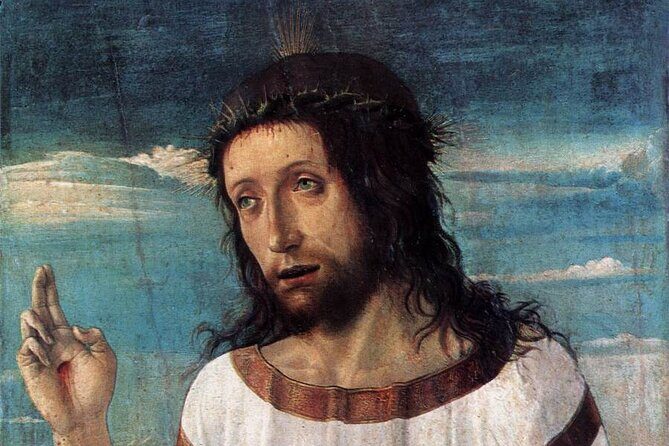
The price is $301.71 per person for a private 2-hour visit. That’s not cheap—no way around it. But it’s easier to judge value when you break down what’s included and what you’re paying for.
What’s included:
- A professional art historian guide
- Private tour (only your group)
- A museum entrance ticket for adults: €22 entrance ticket included
Also noted: group discounts and a mobile ticket are part of the offering. In practice, that means you’re buying planning plus time savings, not just a ticket.
How I think about the cost: if you’re traveling with a small group or you only have a day or two in Paris, paying for a guide can be cheaper than losing a half-day to wandering and re-planning. And the private format is especially useful if you don’t want to feel rushed by a larger group’s pace.
Ticket savings might apply to you. Free admission applies to visitors under 18 and EEA residents under 26 with valid ID and proof of residency. If that’s you or someone in your group, it could change the value math. You’d still benefit from the guided route, but check how the included ticket aligns with eligibility.
One more timing detail: the experience is booked on average 22 days in advance. If you’re traveling during peak seasons or on a tight schedule, earlier booking helps you secure a slot that fits your plan.
Practical tips so your two hours feel smooth
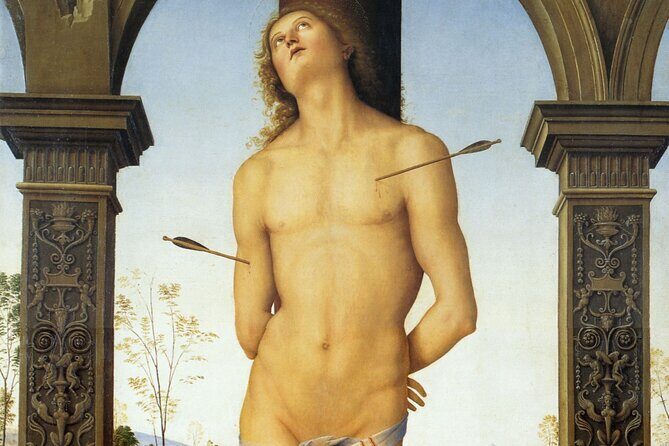
A Louvre tour isn’t difficult, but it does require stamina. The experience calls for moderate physical fitness. You’ll want comfortable shoes and a pace you can maintain for a couple of hours with stops.
Also, this is not a food tour. Food and drinks are not included. So plan ahead for water or a quick snack before or after, especially if you’re stacking the Louvre with other Paris sights.
Other small-but-smart moves:
- Arrive with enough time to find the meeting point by Arc de Triomphe du Carrousel without stress.
- Keep your eyes up when moving between stops; the guide’s route saves time, but you still need to keep moving.
- If you qualify for free admission (under 18 or EEA under 26), have the required ID and proof of residency ready.
Finally, do manage expectations. You’re going to see a curated set of highlights and major galleries, not the entire Louvre. The payoff is that you leave with a better understanding of how art evolved.
Should you book this Louvre private highlights tour?
Book it if:
- You have limited time and want the key works plus a clear art-history thread
- You don’t want to spend your first Louvre day getting lost
- You prefer a private, English-guided experience with an art historian
- You’d value quick navigation around the most famous highlights like Mona Lisa and major statuary such as the Nike of Samothrace
Skip it or consider something different if:
- You want a full-day museum experience with total freedom to roam
- Your main goal is one single collection or one style, and you don’t care about the timeline approach
- You’re expecting a slow, deep study of every single artwork rather than a high-impact route
My take: for most visitors who want to see the Louvre’s best-known masterpieces and understand what they represent, this tour is a strong buy. You’re paying to make sense of a giant museum fast—and getting guided structure instead of random wandering. That’s usually the difference between a Louvre trip you remember and one you survive.
FAQ

What is included in the $301.71 per-person price?
The tour price includes a professional art historian guide, a private tour, and an adult museum entrance ticket valued at €22. Food and drinks are not included.
How long is the Louvre visit?
It’s about 2 hours. The route is organized into several stops of roughly 15 minutes each.
What will we see during the tour?
You’ll see major works and galleries including the Mona Lisa and the Nike of Samothrace, plus stops covering Roman art, Greek works, Medieval art, the Great Gallery of Italian Renaissance art, Romanticism, and Neoclassicism.
Where is the meeting point and where does the tour end?
The tour starts at Arc de Triomphe du Carrousel, Pl. du Carrousel, 75001 Paris, France and ends back at the same meeting point.
Is the tour only for adults?
The museum entry notes free admission for visitors under 18 and EEA residents under 26 with valid ID and proof of residency. The included museum ticket is listed as €22 for adults.
Can I change or cancel my booking?
This experience is non-refundable and cannot be changed for any reason. If you cancel or ask for an amendment, the amount you paid is not refunded.