REVIEW · PARIS
Paris Louvre PRIVATE TOUR with a Local Private Guide
Book on Viator →Operated by Withlocals · Bookable on Viator
Some museums win by speed. The Louvre wins by direction.
This private Louvre tour takes you straight into the action, using skip-the-line access arranged by your local guide so you spend less time stalled in crowds. I like that the tour is built around real masterpieces—names like Emilie, Bibiani, and Hugo come up again and again for steering people to the right spots fast and explaining what you’re actually looking at.
Here’s the best part: in about two hours, you’ll cover key works such as the Mona Lisa, Venus de Milo, and Nike of Samothrace, plus famous French and Italian art and even artifacts like the French crown jewels. One consideration: the Louvre entrance ticket isn’t included and needs to be paid in cash to the host on the day (22 EUR per person), so plan for that extra step.
In This Review
- Key takeaways before you go
- Why a private Louvre tour actually saves your day
- The 2-hour plan: what you’ll see inside the Louvre
- Stop: the Louvre Museum highlights route
- Skip-the-line access: what it really means for your time
- The masterpieces you’ll target—and how to make them worth your time
- The Mona Lisa: front-row viewing with guidance
- Venus de Milo: why the pose matters
- Nike of Samothrace: the feeling of motion
- Beyond the big names: French art, Roman power, and Napoleonic drama
- Crown jewels artifacts: a smart curveball
- How private pacing helps your attention (especially with crowds)
- Who this tour is best for
- Price and value: is $100 worth it?
- A few practical tips so you don’t waste your first 15 minutes
- Should you book this Louvre private tour?
- FAQ
- How long is the Louvre private tour?
- Where do we meet for the tour?
- Are Louvre entrance tickets included?
- What skip-the-line access do we get?
- Will we see the Mona Lisa and other famous works?
- Can we stay in the museum after the guided part ends?
- Is this a private tour or a group tour?
- What information is needed for booking Louvre tickets?
- Is there a cancellation or refund option?
- Is the experience suitable if I’m not very active?
Key takeaways before you go
- Skip-the-line help means less queue time and more art time.
- A focused 2-hour route targets top works without trying to cover the whole museum.
- Clear “what to look for” explanations are repeatedly praised (guides like Paola, Chrystelle, and Henrick show up in feedback).
- You can keep exploring after the tour at your own pace.
- Only your group joins—no herd mentality, no waiting on slow walkers.
- You bring the Louvre ticket, the guide brings the plan (22 EUR cash per person).
Why a private Louvre tour actually saves your day

The Louvre can feel like a living maze. Even if you know the masterpieces, you still have to fight for bearings—where to stand, how to connect galleries, and how to avoid wasting time on detours.
That’s why this kind of tour works so well. A private guide handles the “how to get there” part, and you focus on the “what am I seeing?” part. And because it’s private, the pacing is flexible: you can linger at one sculpture or move on when your feet start voting against you.
The other win is the skip-the-line setup. You’re not trying to defeat the entrance process with optimism. Your guide arranges privileges so you can get in with less waiting, and you can start sightseeing sooner.
Other private Louvre tours in Paris



The 2-hour plan: what you’ll see inside the Louvre
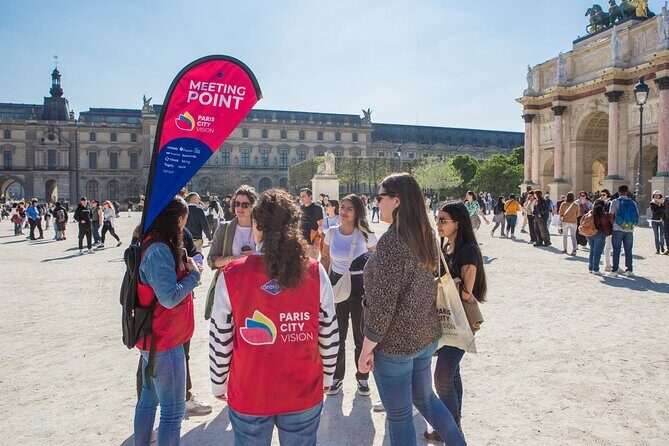
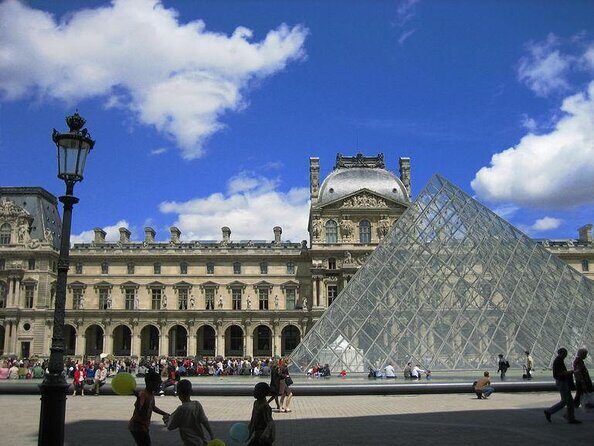
You meet at the Louvre Pyramid, then enter the museum with skip-the-line privileges arranged for your group. Once inside, your guide leads you through a highlights mix of painting, sculpture, and major historical context—exactly the kind of structure that makes the Louvre feel less chaotic.
This tour is not about seeing everything. It’s about seeing the right things first, in the order that keeps your interest alive.
Stop: the Louvre Museum highlights route
In your guided time, you can expect to cover:
- Mona Lisa (Da Vinci, Italian School)
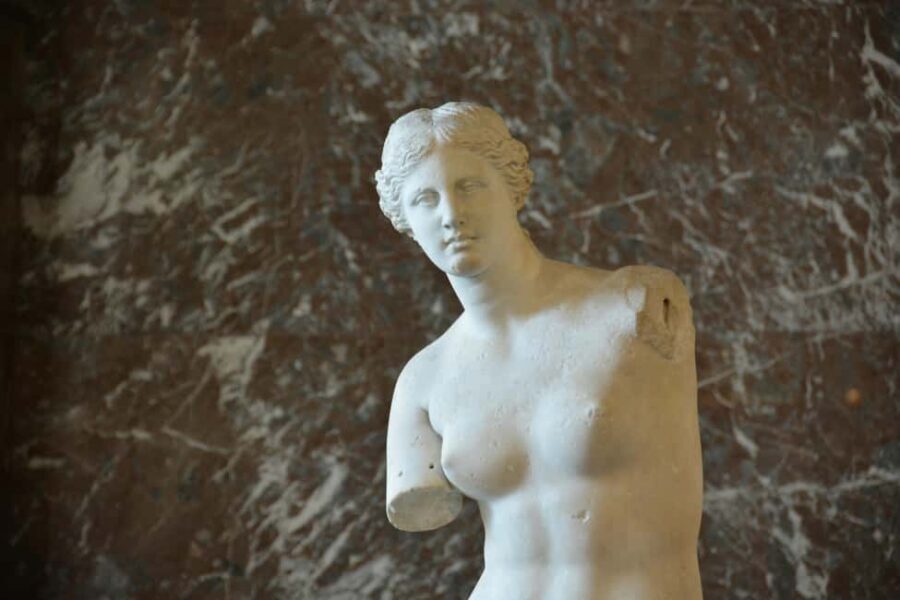
- Venus de Milo
- Nike of Samothrace
- Works by French artists like Delacroix
- Sculpture highlights including Michelangelo
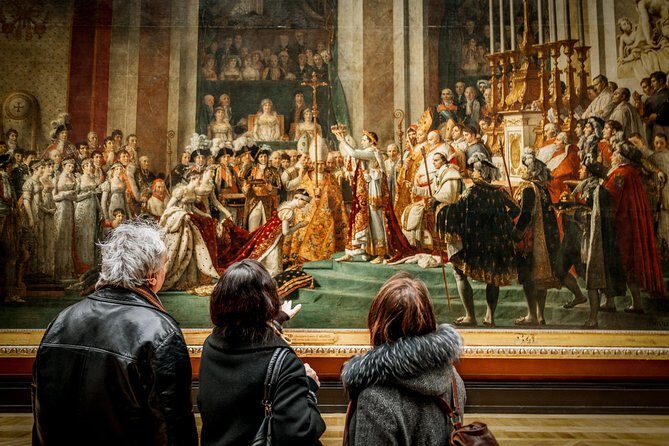
- The Coronation of Napoleon by Jacques-Louis David
- French crown jewels artifacts (yes, the museum does that too)
Your guide also points out details you’d likely miss on your own—like why certain works were staged, how styles changed across centuries, and what to notice when you’re standing in front of a famous piece with a crowd pressed around you.
And after the guided portion ends, you’re free to stay as long as you want. That “guided start, independent follow-through” setup is a smart way to get both structure and freedom.
Skip-the-line access: what it really means for your time
In a place like the Louvre, time loss isn’t just minutes—it’s focus. When you’re stuck waiting at an entrance, your brain goes on autopilot, and you show up to the art tired and distracted.
With this tour, the guide arranges the skip-the-line access. That usually translates into a smoother entry and fewer delays at the start, which is where most first-timers get overwhelmed.
Do note the practical trade-off: the Louvre entrance ticket fee is separate. You’ll pay 22 EUR per person in cash directly to the host on the day. It’s not a dealbreaker, but it is a real cost-add, so treat your $100 tour price as the guide service, not the museum ticket.
The masterpieces you’ll target—and how to make them worth your time
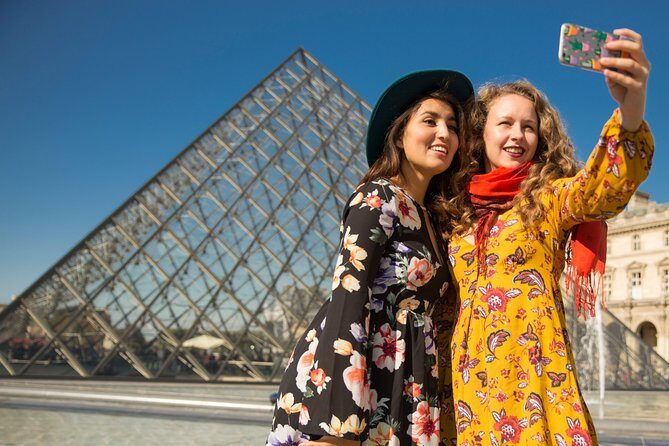
Seeing famous works is only half the job. The other half is noticing what makes them special, and doing it without getting pulled into the loudest, most crowded spot in the room.
Here’s how to think about the key stops on this tour:
Other guided tours in Paris






The Mona Lisa: front-row viewing with guidance
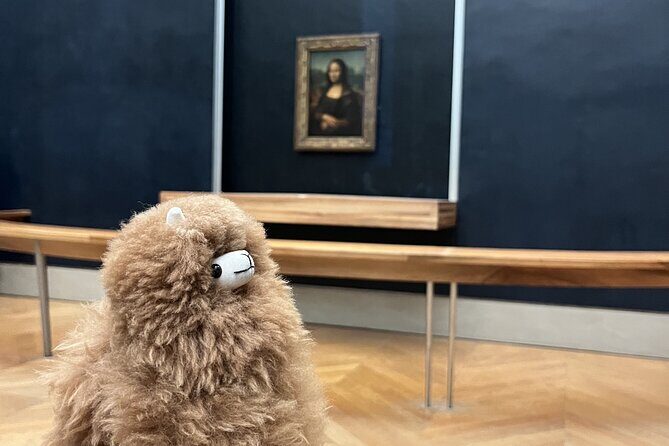
People go to the Mona Lisa expecting a postcard moment. A guide helps you make it more useful than that. One review specifically called out front-row viewing with Emilie—exactly the advantage you’re paying for: someone who understands where to stand and how to work the flow of people around you.
Once you’re there, the guide can steer your attention toward details you might not register in the first 10 seconds. If you’ve never seen it before, you’ll leave understanding why it’s famous beyond the hype.
Venus de Milo: why the pose matters
Venus de Milo is often treated like a trophy statue. With a guide, it becomes a story: the style, the sculptural choices, and the way it communicates ideals of beauty and form.
Your guide’s job here is to keep you from just staring at the name. You’ll learn what to look for so it feels like art, not a stop on a checklist.
Nike of Samothrace: the feeling of motion
Nike of Samothrace rewards close attention. The whole point is the sense of movement, even in a fixed sculpture.
A guide helps you see the cues—the way the composition suggests forward motion—so you appreciate it even if the room is busy. This is one of those works where context changes everything.
Beyond the big names: French art, Roman power, and Napoleonic drama
One reason I like this route is that it doesn’t stop at the poster children. You also get a spread of European art that helps the Louvre feel like a timeline rather than a pile of rooms.
On your way, you’ll spend time with:
- French painting by Delacroix, which helps you understand how emotion and color show up across periods
- Michelangelo sculpture, which brings you into the world of monumental form
- Jacques-Louis David’s The Coronation of Napoleon, a work where power, symbolism, and political theater are part of the painting’s job
This matters because it gives you a framework. After two hours, the museum won’t feel fully organized, but it’ll feel more navigable and less random.
Crown jewels artifacts: a smart curveball
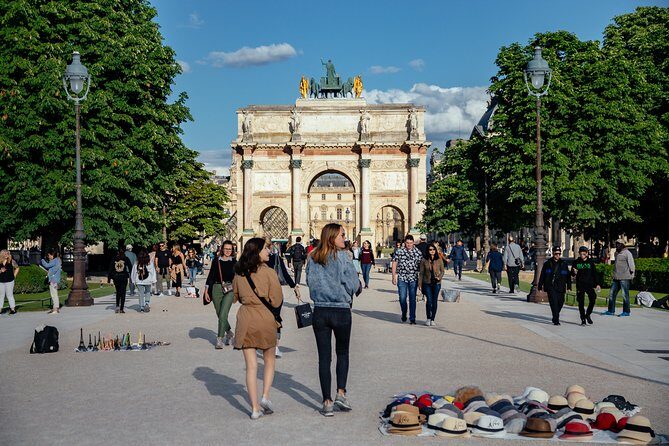
The Louvre isn’t only marble gods and Renaissance painters. A highlight here is the chance to see valuable artifacts like the French crown jewels.
That’s a big plus for two reasons:
- It gives you a break from the same kind of “look at sculpture” rhythm.
- It reminds you the museum is tied to political history—not just art history.
If you like museums that connect art to the world that produced it, this inclusion is a nice win.
How private pacing helps your attention (especially with crowds)

Even if you arrive early, the Louvre has long lines of people with one common goal: getting to the same few works.
Private tours handle the reality that you can’t control crowds, but you can control your experience of them. When a guide knows how to steer you, you can:
- spend more time actually viewing
- reposition without losing the thread
- get photography spots that make sense for the work you’re seeing
More than one guide gets praised for navigating crowds and helping with the right vantage points for paintings and sculptures. That’s not a small detail. It changes how the art feels.
Who this tour is best for
This is a strong fit if you:
- Want the Louvre highlights without getting lost
- Are short on time (two hours is a practical hit list)
- Prefer private pacing over group tours
- Travel with someone who needs a plan (kids, first-timers, or anyone who gets museum fatigue)
It also works well for repeat visitors who want a guided “greatest hits with context” route. Instead of trying to rebuild your own plan through the whole building, you get a curated start and then freedom after.
Price and value: is $100 worth it?
The tour price is listed at $100, and the museum ticket is paid separately in cash (22 EUR p.p.). So your actual spend is mostly guide service plus admission.
Here’s the value logic: in the Louvre, your most expensive resource is attention. When you spend time figuring out what to see and where to go, you lose energy for looking. A good guide turns those two hours into high-payoff viewing—Mona Lisa, Venus de Milo, Nike of Samothrace, plus additional major works and artifacts.
Private tours are also easier to justify when you’re traveling as a small group, because the guide cost gets shared while you still keep the benefit of only your group participating.
If you’re the kind of traveler who loves museums but hates confusion, this is one of the better ways to spend money in Paris.
A few practical tips so you don’t waste your first 15 minutes
The meeting area near the Pyramid is busy, and at least one guest noted it can be tricky to find a specific guide at the start. So do yourself a favor:
- arrive on time at the Louvre Pyramid
- keep your phone available for contact before the tour
- look for your guide promptly so you don’t start stressed
Also, plan on walking and museum stamina. The tour is rated for moderate physical fitness, which means you should be comfortable with indoor walking and crowd navigation.
Should you book this Louvre private tour?
Yes, I’d book it if you want a focused Louvre experience that turns the museum into a story you can follow. It’s especially worth it for first-timers who want the famous works—Mona Lisa, Venus de Milo, Nike of Samothrace—without spending your morning spinning your wheels.
Skip it only if you already know the Louvre extremely well and you prefer to roam freely with no structure. In that case, you may not need a guide. But if you want the best chance of seeing the highlights in a calm, coherent way, this private format is a smart buy.
FAQ
How long is the Louvre private tour?
The tour lasts about 2 hours.
Where do we meet for the tour?
You meet at the Louvre Pyramid. The activity ends back at the meeting point.
Are Louvre entrance tickets included?
No. Entrance tickets are not included and must be paid directly to the host in cash (22 EUR per person).
What skip-the-line access do we get?
The guide arranges skip-the-line access to enter the Louvre. You’ll still pay the museum entrance ticket fee separately.
Will we see the Mona Lisa and other famous works?
Yes. The tour is designed around major highlights such as the Mona Lisa, Venus de Milo, and Nike of Samothrace, along with other paintings and sculptures.
Can we stay in the museum after the guided part ends?
Yes. After the guided tour, you may stay at the museum as long as you wish to continue exploring independently.
Is this a private tour or a group tour?
It’s a private tour/activity. Only your group participates.
What information is needed for booking Louvre tickets?
You must provide each guest’s complete name and birthdate. You also need to provide the correct phone number so the guide can contact you before the tour.
Is there a cancellation or refund option?
This experience is non-refundable and cannot be changed for any reason.
Is the experience suitable if I’m not very active?
It’s listed for travelers with moderate physical fitness, so you should be comfortable with walking and moving through a large museum.