REVIEW · PARIS
Mona Lisa & Treasures: 6-people Max Louvre Experience
Book on GetYourGuide →Operated by VOYAGE LLC · Bookable on GetYourGuide
A plan like this works because it stays human-sized. This Mona Lisa & Treasures Louvre experience is built for small groups (up to 6) and packs big storytelling into a tight 2-hour visit, with skip-the-line entry. You’ll get the famous hits, plus the context that makes the art feel less like museum wallpaper and more like living history.
What I like most is the small-group attention and how the guide keeps explaining what you’re actually looking at. I also like that you’re not just checking off names; the route is described as a mix of iconic works (Mona Lisa, Venus de Milo) and major “you didn’t know this was in here” masterpieces (Winged Victory of Samothrace, Liberty Leading the People). One consideration: this format isn’t for everyone, since wheelchair/walking stick/mobility-impaired guests cannot be accommodated on this tour.
In This Review
- Quick Reasons This Louvre Tour Works So Well
- A Small-Group Louvre Plan That Actually Gets You Moving
- Skip-the-Line Entry: Saving Time in Paris (Where It Hurts Most)
- The Core Works You’ll See: Mona Lisa, Venus de Milo, and More
- Mona Lisa: Beyond the Name on the Postcards
- Venus de Milo: Why This Sculpture Still Hits
- Winged Victory of Samothrace: The Moment You Can Feel
- Liberty Leading the People: Art as a Political Photograph
- What the Guide Really Does (And Why People Rate This Tour So High)
- How the 2-Hour Route Feels: A Guided Sprint With Big Payoff
- Price and Value: Is $173 Worth It for This Louvre Visit?
- Who This Louvre Tour Suits Best (And Who Might Want a Different Option)
- Before You Go: ID, Luggage Limits, and Name Requirements
- Should You Book This Small-Group Mona Lisa & Treasures Tour?
Quick Reasons This Louvre Tour Works So Well

- Up to 6 people max means you’re less likely to get swallowed by the crowd.
- Skip-the-line access via a separate entrance saves the worst part of the day.
- You’ll cover major anchors like Mona Lisa and Venus de Milo, then go beyond them.
- The guide uses interactive storytelling instead of a straight lecture.
- Live guide in English, Spanish, or French helps if you want details without translations.
- Expect a focused sprint (2 hours) that still lets you keep exploring afterward on your own.
A Small-Group Louvre Plan That Actually Gets You Moving

The Louvre can feel like two different places at once: a grand palace of art, and a maze where time disappears in line-ups and wandering. What I like about this 2-hour setup is that it respects reality. You get a guided path that targets what most people come for, without turning the whole day into “find the right hallway.”
This tour is designed for private or small groups up to 6, which matters more than it sounds. In a large group, you might hear a few facts and spend the rest of your time trying to see past shoulders. In a small group, the guide can actually point, explain, and steer your attention to what’s worth looking at up close—especially in rooms where the Mona Lisa crowd forms quickly.
Other Mona Lisa tours at the Louvre



Skip-the-Line Entry: Saving Time in Paris (Where It Hurts Most)
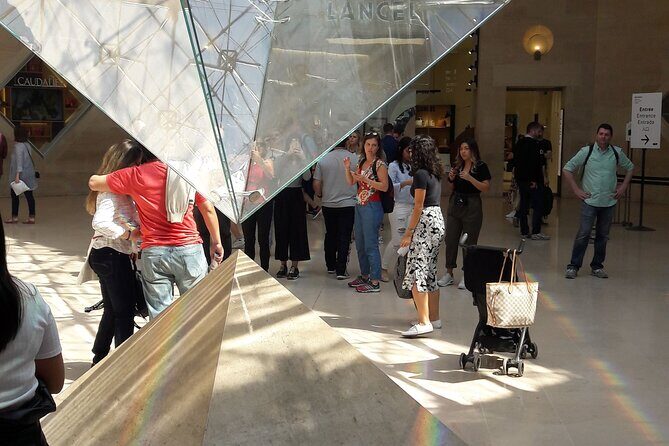
At the Louvre, the biggest enemy is not confusion. It’s wasted minutes standing still. This experience includes skip-the-line access through a separate entrance, plus your admission ticket. In practice, that means you can spend your energy where it counts: inside the galleries.
You also get a more controlled start. A separate entrance helps you avoid the long, unpredictable crush that can eat the first part of your visit. That’s useful even if you’ve been to Paris before, because the Louvre is the kind of museum where your plan matters.
One extra detail from recent guide experiences: when things go wrong—like a microphone issue—the guide can still improvise and keep the flow going. That’s the kind of competence you want when you’re paying for guided time.
The Core Works You’ll See: Mona Lisa, Venus de Milo, and More
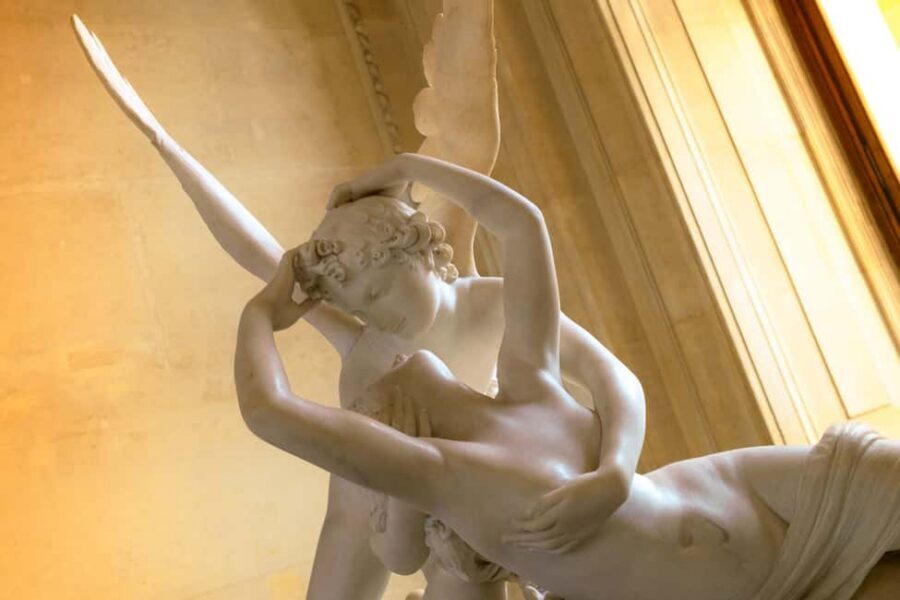
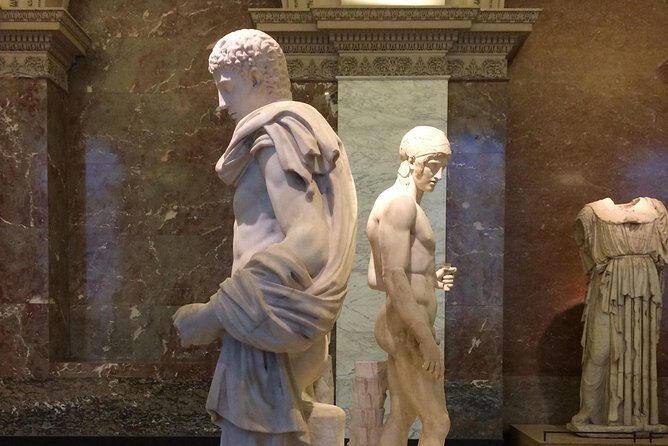
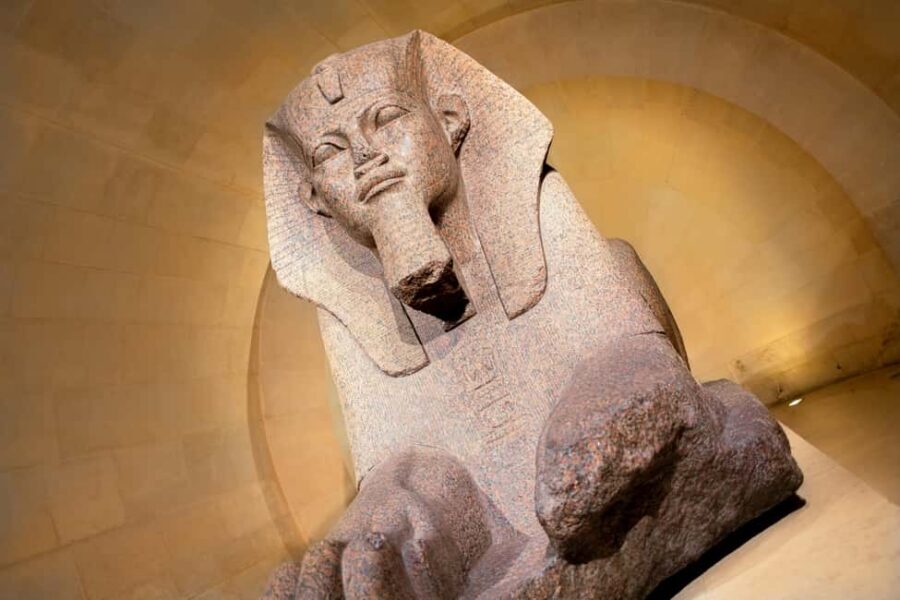
This tour is aimed at giving you both the famous masterpieces and the “wait, this is also here” surprises. The highlights named for the experience include Mona Lisa, Venus de Milo, Winged Victory of Samothrace, and Liberty Leading the People, along with other treasures from across the collection.
Here’s how those choices help you understand the Louvre faster.
Mona Lisa: Beyond the Name on the Postcards
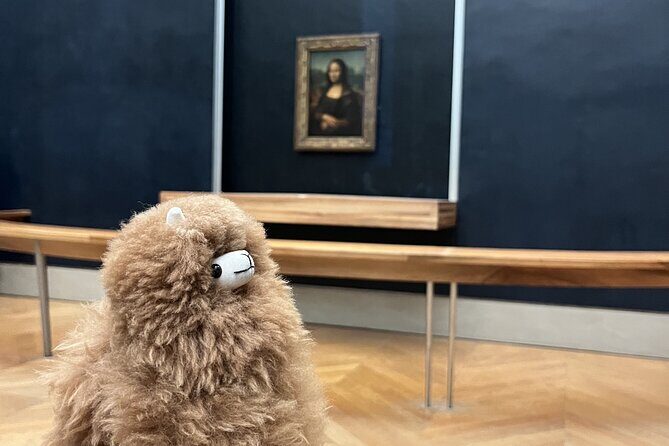
Everyone knows Mona Lisa, but most people don’t leave knowing why she’s so endlessly discussed. A guided stop here is about more than finding her behind the crowd. You should expect stories and context that explain why this painting became a cultural magnet and what to notice when you’re actually in front of it.
In a 2-hour tour, Mona Lisa works as an anchor. It gives you a moment that feels like the “main event,” then your guide can connect it to broader themes—art, symbolism, and how reputations grow over time.
Venus de Milo: Why This Sculpture Still Hits
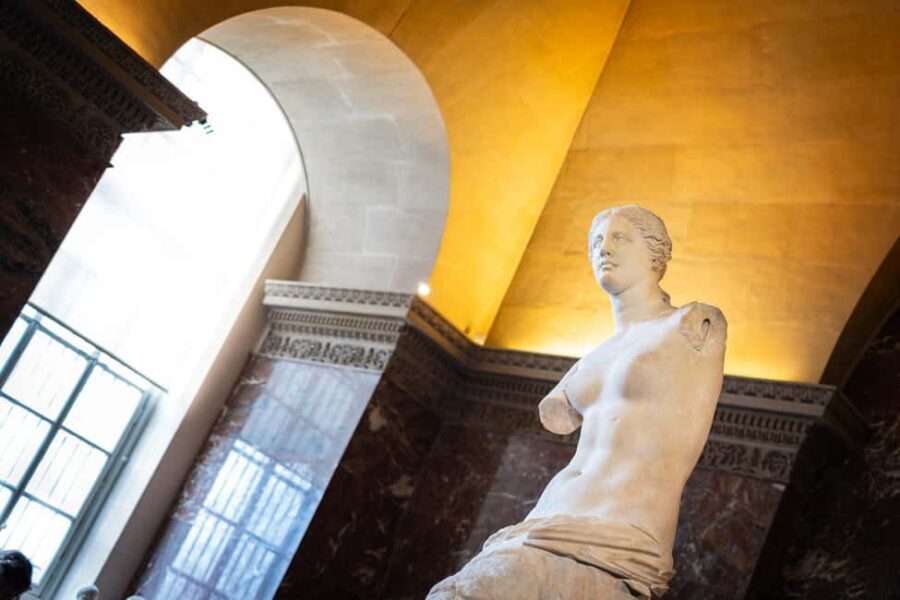
Venus de Milo is one of those works that feels instantly important even if you don’t know the details yet. With a guide, you can focus on what makes the statue powerful: form, posture, and the way the museum frames it as a masterpiece of classical art.
Sculpture is often harder to appreciate quickly because you’re not just looking for a subject—you’re studying proportion and presence. A good guide helps you slow down just enough without eating your whole schedule.
Other small-group Louvre tours in Paris




Winged Victory of Samothrace: The Moment You Can Feel
The Winged Victory of Samothrace is famous for movement. Even though it’s stone, it seems caught mid-action. With guidance, you can look for the visual cues that suggest motion—how the figure’s form relates to implied wind and drama.
This is the kind of stop that changes how you experience the Louvre. It’s not simply “standing in front of famous art.” It’s learning how artists create impact with materials and design.
Liberty Leading the People: Art as a Political Photograph
Liberty Leading the People hits differently when you understand it as more than a striking image. You’re looking at history staged as drama—symbols, characters, and a narrative pull that makes the scene feel immediate.
A guided approach matters here because the meaning is layered. If you only scan it at a distance, you might miss the visual storytelling that makes it powerful. In a small-group tour, you can get pointed attention at the right moments.
What the Guide Really Does (And Why People Rate This Tour So High)
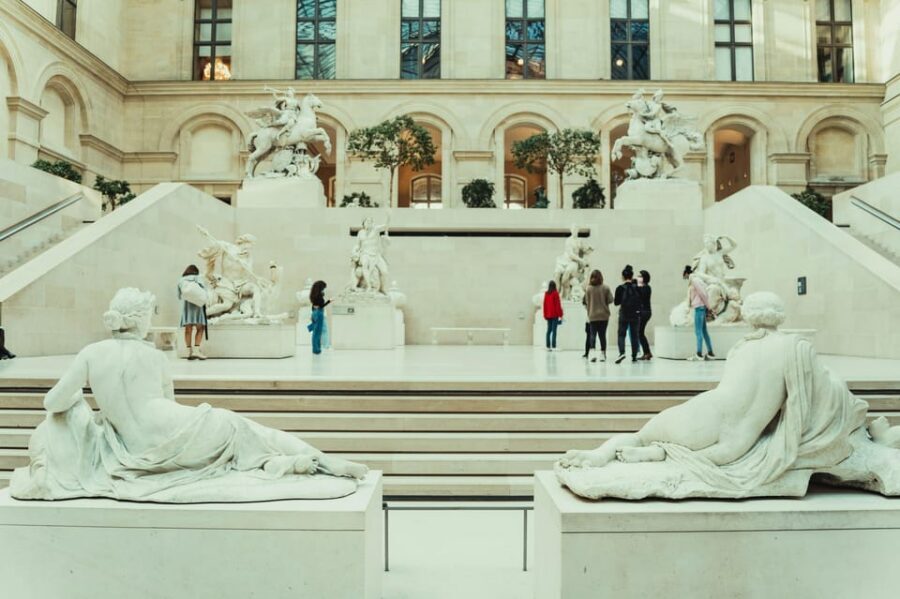
A Louvre tour lives or dies on the guide’s ability to make the museum readable. This experience is built around a live fun guide who tells stories and adds personalized insights, and the language options are English, Spanish, and French.
From guide accounts, several names come up in a way that suggests consistency in quality: Vincent, Rawda K, Claudia, Sara, Amelie, Anne Claire, Blerta, and Aida. Different personalities, same goal—turn the art into something you can understand quickly.
A couple of practical things I’d watch for in this kind of tour:
- The guide should help you see details fast, not just recite facts.
- The guide should keep momentum without turning the pace into a blur.
- Humor and improvisation help, because the museum can be chaotic and tech can fail. When a mic issue came up, the guide still delivered an excellent experience, which tells you the tour isn’t dependent on perfect conditions.
This is also a big reason the small-group limit matters. When the guide can address the group as individuals, the art turns into a conversation, not a slideshow.
How the 2-Hour Route Feels: A Guided Sprint With Big Payoff
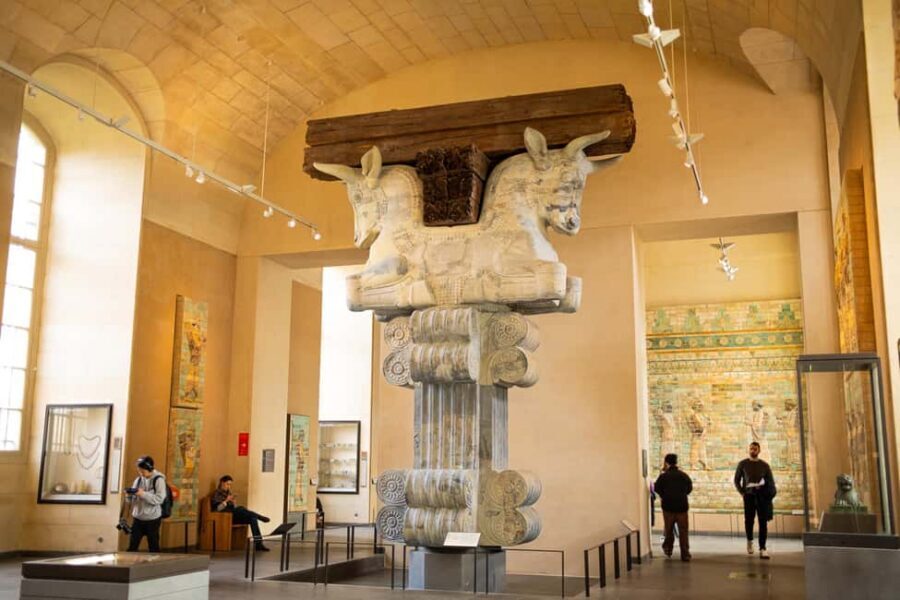
A “highlights” tour can sound like a checklist. Here, the value is that it’s described as a mix of iconic works and lesser-known treasures and artifacts. That matters because the Louvre is so deep that seeing only the headline names can leave you wondering what you missed.
In a 2-hour visit, the best strategy is not to try to master the entire museum. The best strategy is to build a foundation. You leave with a sense of what kind of art the Louvre is great at, how major works connect to themes across eras, and what to look for when you return on your own.
One smart advantage of this kind of short guided experience: you’re not trapped in the museum for the rest of the day. After the guided portion ends, you can go back and linger where the stories made you curious.
Price and Value: Is $173 Worth It for This Louvre Visit?
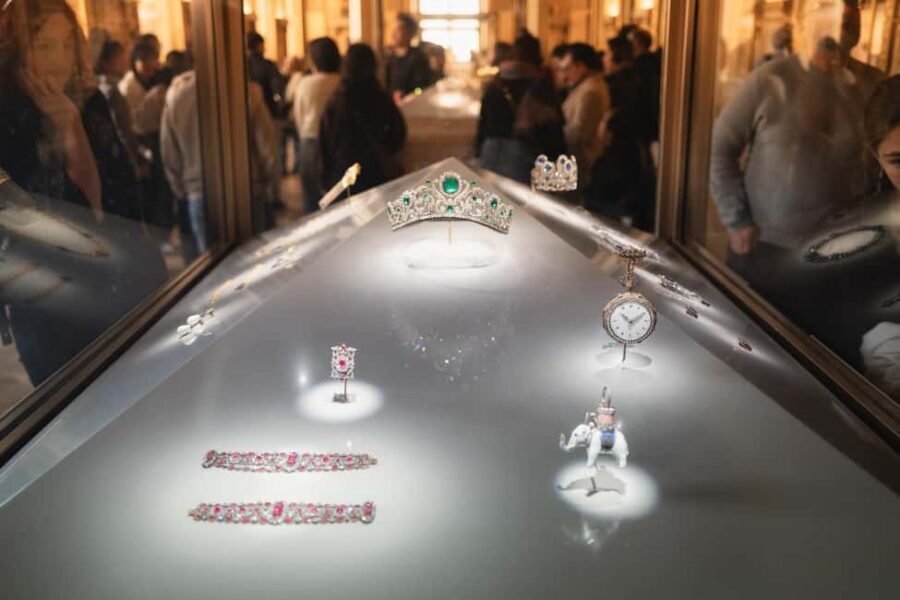
$173 per person for a 2-hour guided tour sounds like a splurge until you break down what you’re buying.
You’re getting:
- Skip-the-line access through a separate entrance
- Your admission ticket
- A live guide in one of three languages
- A focused route through major highlights plus additional treasures
The main value isn’t just the guide. It’s time. The Louvre’s famous crowd issue is real, and guided skip-line entry is one of the few “comfort upgrades” that also saves hours of decision fatigue. If you’ve ever spent museum time bouncing between rooms with no plan, you know that a good guide can be cheaper than wasted energy.
This tour also offers a kind of value that’s hard to price: understanding. When the guide connects what you’re seeing—painting, sculpture, symbols, historical context—it changes how those works register in your memory.
If you love art and want the museum to make sense fast, the price can feel fair. If you’re the type who wants to wander silently and choose everything yourself, this might feel like you’re paying to have your pace set for you.
Who This Louvre Tour Suits Best (And Who Might Want a Different Option)
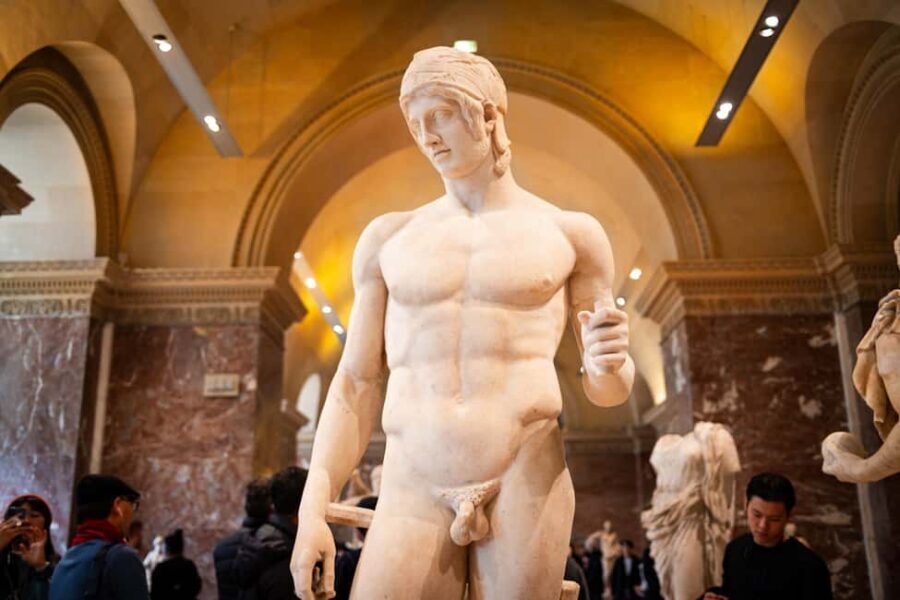
This small-group format is a good match for:
- Couples and friends who want the main masterpieces without losing the day to lines
- Families with kids old enough to engage with stories (a guide can do a lot here)
- Art-curious visitors who want to understand what they see, not just photograph it
- First-timers who need orientation inside one of the world’s biggest museums
There are also clear limits. This tour is not suitable for wheelchair users, and it also cannot accommodate guests who use a walking stick or who have mobility-impaired needs. If mobility access is a priority, you’ll want a more tailored private option instead.
Before You Go: ID, Luggage Limits, and Name Requirements
Louvre entry runs on rules, so pack like a minimalist. Bring your passport or ID card. Oversize luggage and large bags are not allowed, so plan to travel light.
One more detail that’s easy to overlook: you’re asked to provide the first and last name of every traveller participating, as required for entry per the Louvre’s management. That’s not just paperwork theater. It’s part of how the museum processes access.
Should You Book This Small-Group Mona Lisa & Treasures Tour?
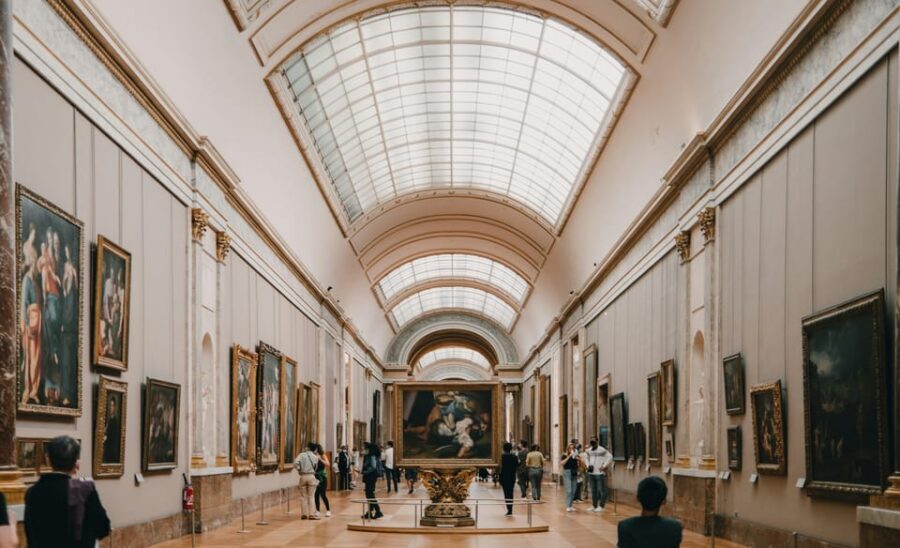
If you want to see the Louvre’s most famous works and also leave with a clearer understanding of what you just saw, I’d book it. The combination of small group size (max 6) and skip-the-line entry is the sweet spot for people who don’t want to gamble with time inside the biggest museum in the area.
Choose this tour if:
- you like guided context more than solo browsing
- you want a focused visit that still leaves room to explore afterward
- you value efficiency without feeling rushed by a huge crowd
Skip or consider an alternative if:
- you need wheelchair-access accommodations
- you want to control every minute and prefer no structure at all
Bottom line: for the price, you’re paying for saved time, admission, and a guide who can turn iconic stops like Mona Lisa and Venus de Milo into meaningful moments—plus major works like Winged Victory of Samothrace and Liberty Leading the People that give the Louvre depth beyond the postcard covers.