REVIEW · PARIS
Paris: Guided Louvre Museum Tour with Optional Entry Ticket
Book on GetYourGuide →Operated by My Super Tour · Bookable on GetYourGuide
Skip the line; learn the Louvre fast. This guided route turns the Louvre from a maze into a focused tour, with early skip-the-line entry and a small-group guide that keeps you moving while you still stop to look closely. You’ll cover big-name paintings and sculptures, plus the palace story behind the building itself.
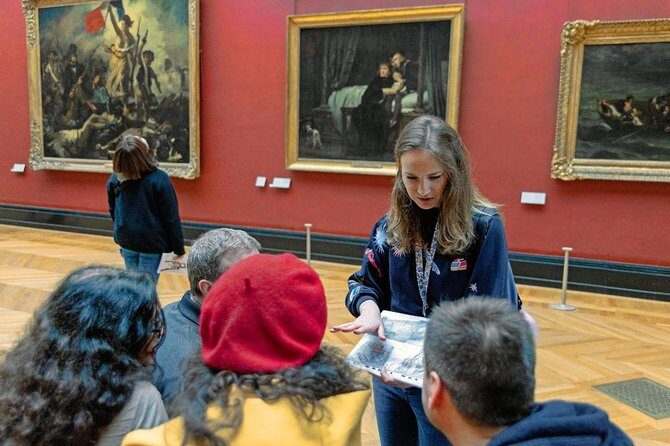
What I like most is the way the guide makes art feel readable, not just famous. Stops like the Mona Lisa and The Wedding at Cana come with clear context and hidden-meaning talk, and you get enough time to actually absorb each moment instead of racing through rooms.
One consideration: this experience is not suitable for wheelchair users. If you need step-free access, you’ll want to plan a different Louvre approach.
In This Review
- Key things to love about this Louvre tour
- How this Louvre tour keeps your time from evaporating
- Meet your guide by Louis XIV with a yellow My Super Tour sign
- Skip-the-line entry and the Louvre’s palace backstory
- The painting stops that actually change how you look
- Mona Lisa, Wedding at Cana, and the art of context
- Greek sculpture highlights: Nike of Samothrace and Venus de Milo
- Napoleon’s wars and French crown jewels: the “power” rooms
- Finishing at the Apollo Gallery, then continuing with your map
- The optional Seine cruise discount: best Paris views from the water
- Price and value: why $128 can make sense
- Who this tour fits best (and who should plan differently)
- What to bring for a smoother Louvre morning
- Should you book this Louvre guided tour?
- FAQ
- How long is the Louvre guided tour?
- Where do I meet the guide?
- Does this tour include skip-the-line entry?
- Is the museum entry ticket included?
- What major art will we see?
- What languages are offered?
- Is this tour wheelchair accessible?
Key things to love about this Louvre tour
- Skip-the-line entry through a separate entrance, saving your morning from the worst crowds
- A palace setting: the Louvre dates to 1190, and you’ll hear how kings and emperors shaped it
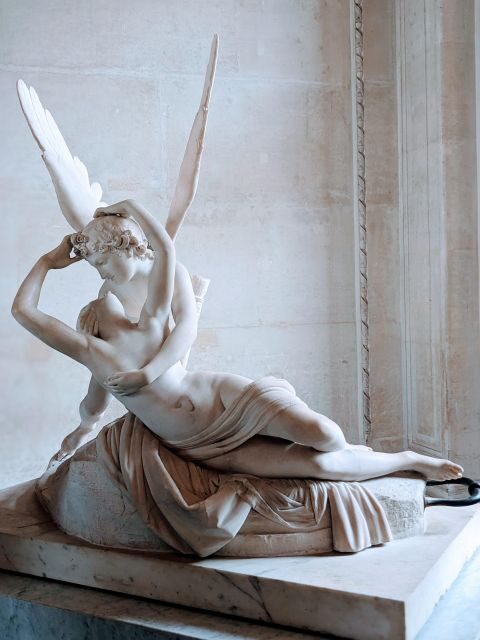
- Major masterpieces in a tight loop, including the Mona Lisa, The Wedding at Cana, Nike of Samothrace, and Venus de Milo
- Practical way to see more with less, ending at the Apollo Gallery so you can continue on your own
- Optional Seine cruise discount, letting you pair Louvre art with Paris views from the water
- Guides who bring energy, with English or Russian commentary and a small-group feel
How this Louvre tour keeps your time from evaporating
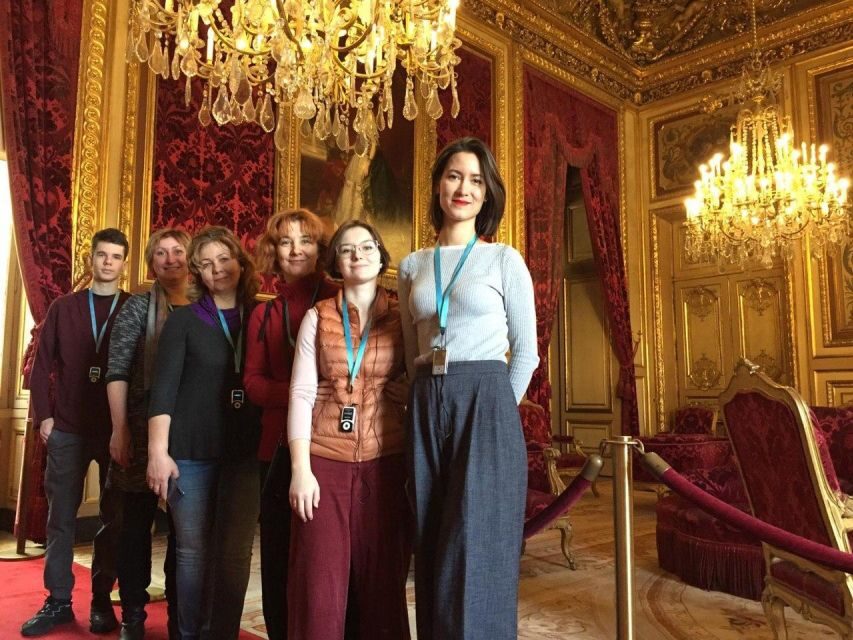
The Louvre is famous for one thing: scale. Even if you love museums, you can lose your whole day just figuring out where to go next. This tour is designed as a smart “highlights and meaning” route, built around the idea that you’ll get more out of fewer stops.
The duration is 2 to 3 hours, which is realistic. You won’t see everything, but you’ll see the pieces that most people come for—and you’ll leave with stories you can remember when you walk the museum afterward.
Other Louvre Museum entry tickets in Paris


Meet your guide by Louis XIV with a yellow My Super Tour sign
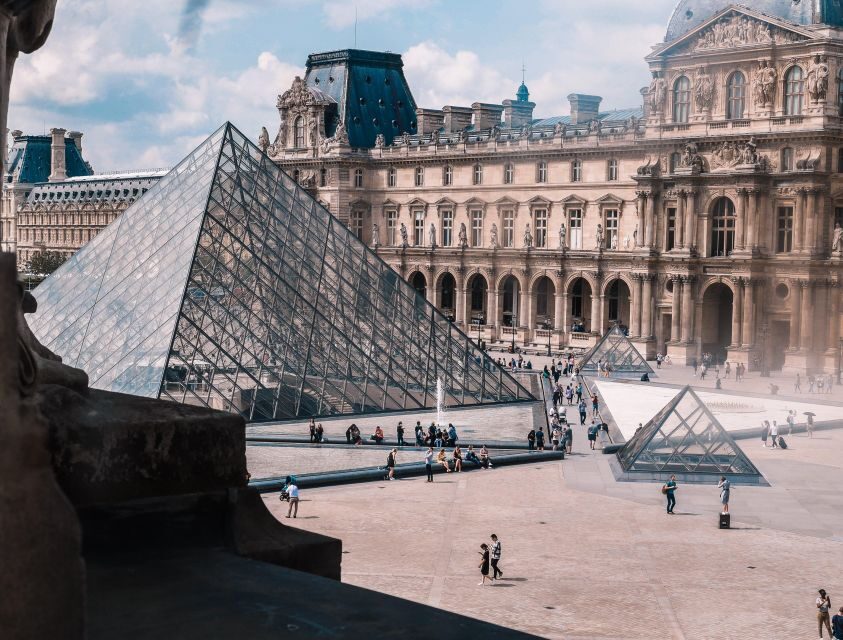
You’ll meet your guide near the Louvre Museum. Look for the guide holding a yellow sign that says My Super Tour under the statue of Louis XIV.
This matters because the Louvre entrance area can feel chaotic. If you want the easiest start, give yourself extra time to find the exact spot and confirm your group before heading inside.
Skip-the-line entry and the Louvre’s palace backstory
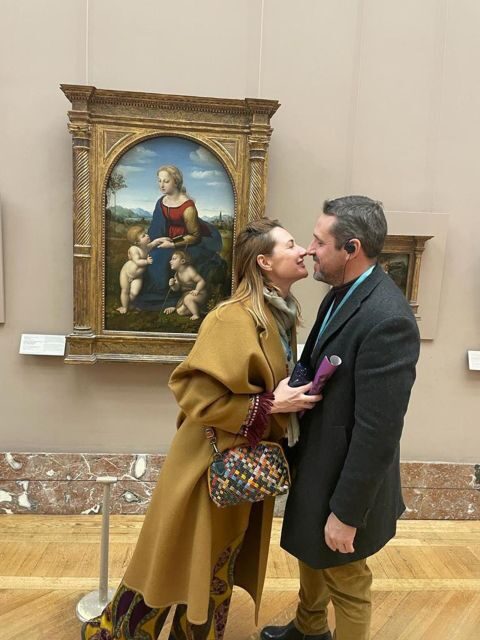
One of the best reasons to book this tour is simple: you get skip-the-line entry via a separate entrance. That time matters. You’ll spend it looking at art instead of standing still with hundreds of other people.
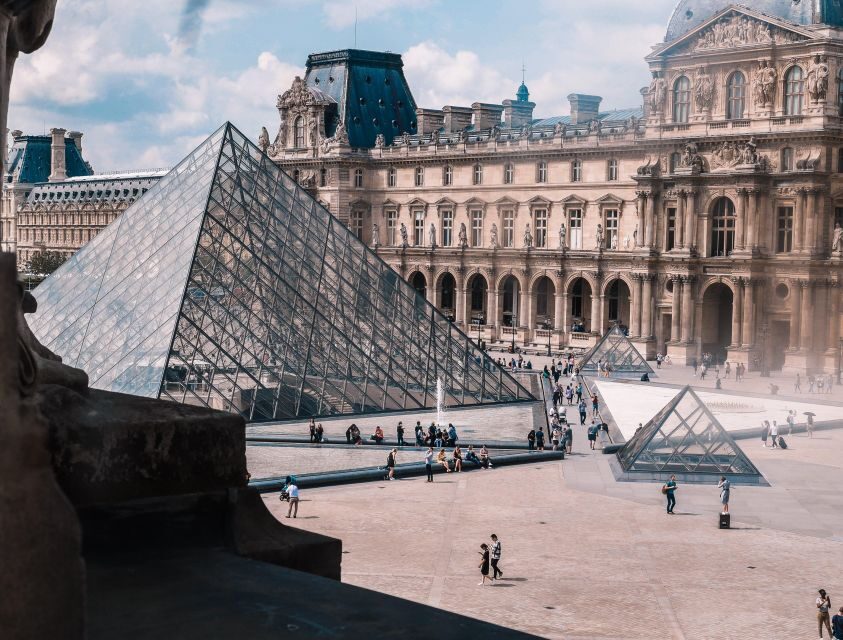
Once you’re in, the guide connects the museum to what it used to be. You’ll hear the Louvre was built as a royal palace, starting in 1190, and you’ll learn how that power shows up in what you see today.
This palace framing makes the whole museum easier to understand. Instead of treating each artwork like a random artifact, you start seeing a bigger theme: political power, wealth, and culture passed down through centuries.
The painting stops that actually change how you look
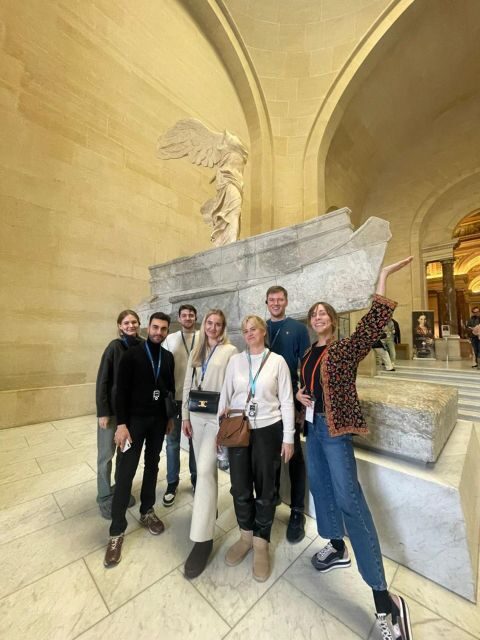
This is where the tour earns its keep. You get close with masterpieces like the Mona Lisa and The Wedding at Cana, and the guide doesn’t treat them like checkboxes.
You can expect stories and explanations tied to what’s in front of you—often including the kinds of “wait, what am I seeing?” details that most people miss when they’re just hunting famous names.
Mona Lisa, Wedding at Cana, and the art of context
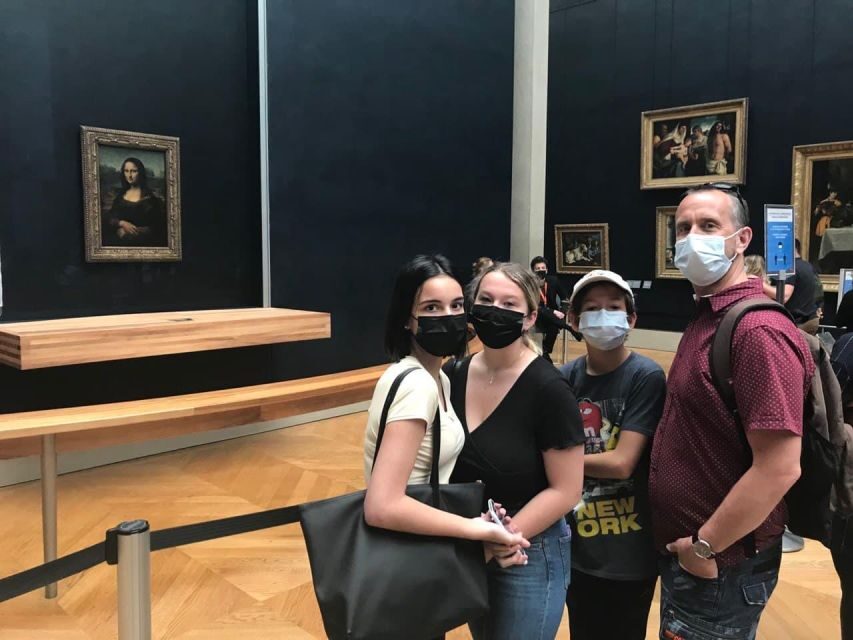
The Mona Lisa is crowded by default, which makes it hard to focus. In a guided format, you can slow down just enough to understand what viewers have long noticed: composition, mood, and symbolism.
The Wedding at Cana (a standout if you like narrative scenes) gives you the chance to connect the painting to its deeper meanings, not just its reputation. The guide helps you read the scene like a story—figures, gestures, and what the artist is trying to communicate.
Even if you’re not a lifelong art student, this approach makes the paintings feel less intimidating. You’re not memorizing; you’re learning how to see.
A few more Paris tours and Louvre experiences worth a look


Greek sculpture highlights: Nike of Samothrace and Venus de Milo
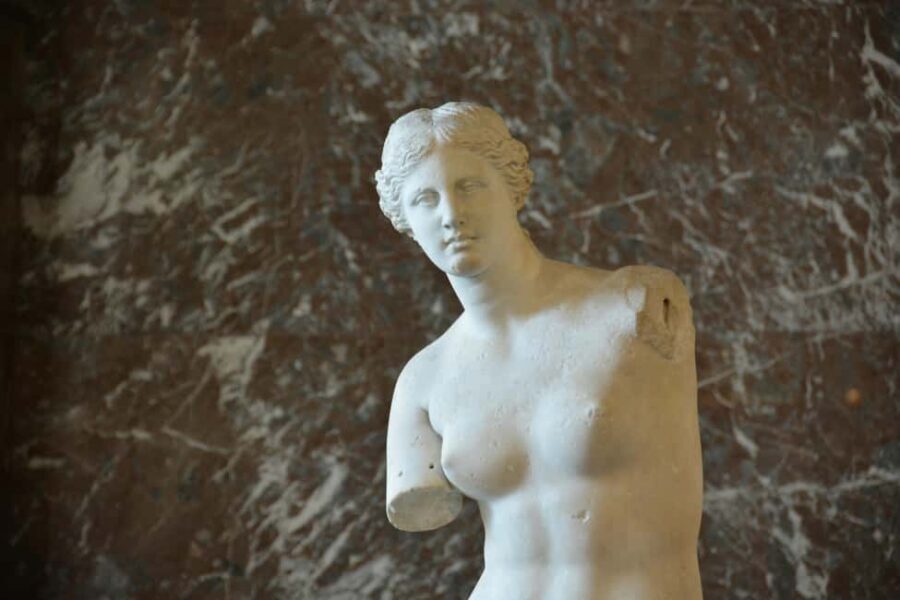
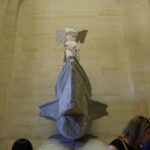
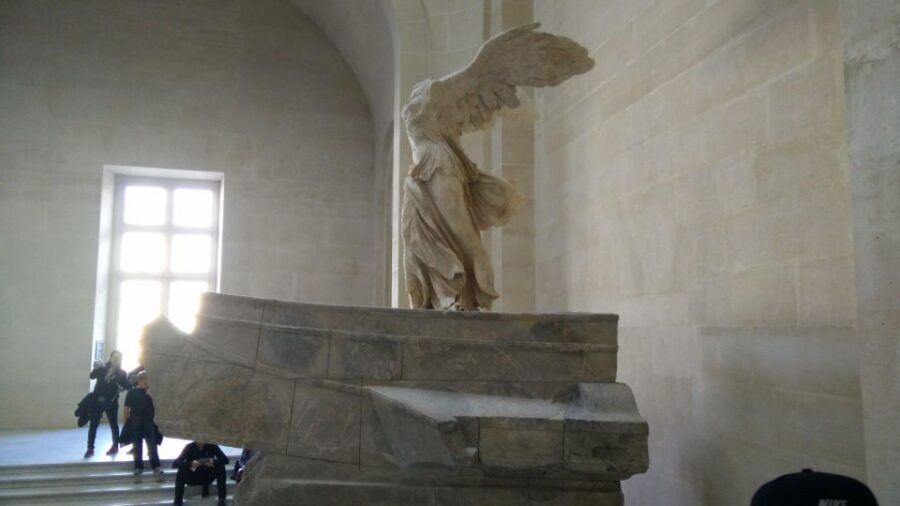
The tour also shifts gears into sculpture, which is a nice break from painting rooms. You’ll see classic Greek masterpieces such as the Nike of Samothrace—often called one of the greatest achievements of Greek sculpture—and the Venus of Milo, one of the most recognizable images of the goddess Venus.
What’s valuable here is that sculpture changes how you experience a museum. You’re dealing with angles, scale, and motion. In a guided tour, the guide can point out the details your eye might skip when you’re just trying to get a quick photo.
Nike of Samothrace is the kind of piece you think you know until you stand near it and notice how it’s built to feel like movement. Venus de Milo brings a different kind of attention: the iconic pose, the enduring influence, and why the image became so lasting.
Napoleon’s wars and French crown jewels: the “power” rooms
One of my favorite parts of this tour concept is that it doesn’t only chase the biggest names. You also get access to hidden-feeling areas that reveal different sides of the Louvre.
You’ll discover paintings connected to wars led by Emperor Napoleon, plus a collection tied to royal symbolism: the jewels of the French crown. That royal-power angle is important because it explains why certain objects are displayed the way they are.
You’ll also spend time with different art periods, including Renaissance and Etruscan artwork. That range matters for two reasons:
- It shows the Louvre isn’t only one style or one era.
- It helps you understand how collectors and institutions build a “story” through what they choose to display.
If you like learning what’s behind the scenes—why a museum keeps certain treasures and how it frames them—this part of the tour will feel especially worth it.
Finishing at the Apollo Gallery, then continuing with your map
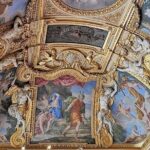
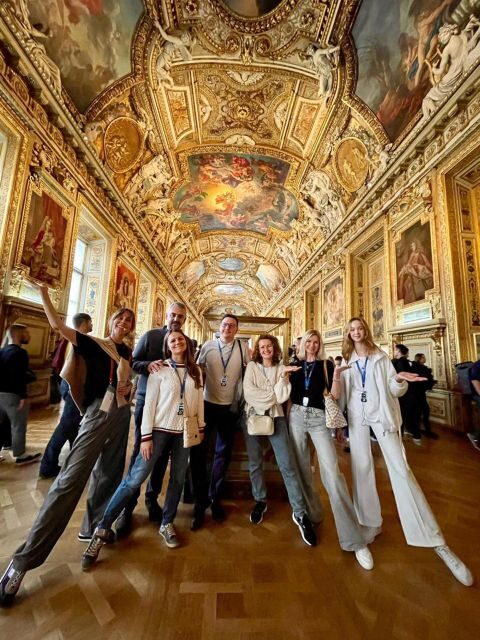
The tour ends in the Apollo Gallery. This is a smart stopping point because it sets you up for exploration without dragging the group into every corner of the museum.
You’ll also receive a map of the Louvre so you can continue on your own. That’s practical. The Louvre is too large to freestyle perfectly, and a map helps you choose what to see next based on your own tastes.
If you want an easy win after the guided portion, pick one more area to focus on rather than trying to cover everything. Use the map to aim at a couple of rooms you’re most curious about, then enjoy the slower pace.
The optional Seine cruise discount: best Paris views from the water
Here’s a nice add-on if you have time after the museum: the tour can include a discounted ticket for a Seine river cruise.
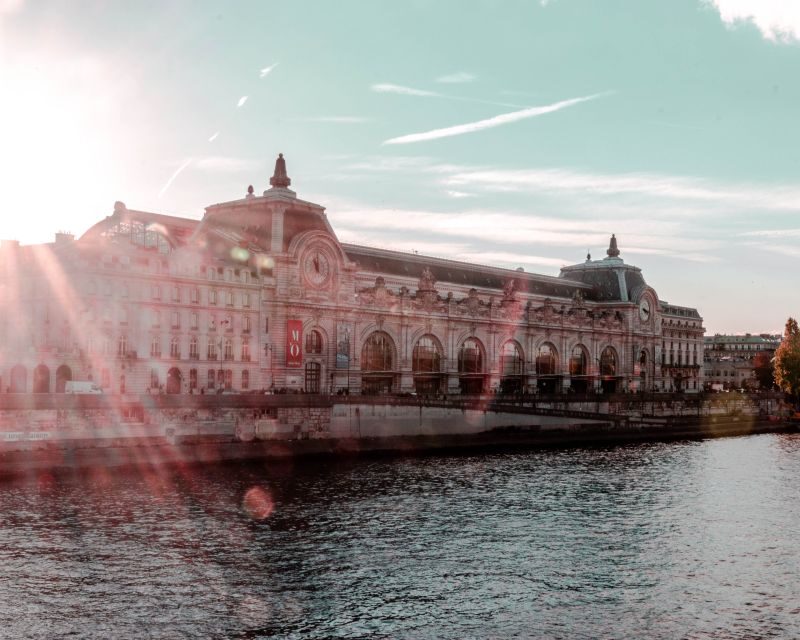
The payoff is viewpoint. From the water, you get a different angle on Paris landmarks, and you’ll even get to see sites including the Louvre Museum from across the river.
If you’re the type who likes pairing indoor culture with outdoor city views, this combo makes your day feel more complete. You go from stories about emperors inside the palace-museum to actual Paris scenery outside it.
Price and value: why $128 can make sense
At $128 per person for a 2 to 3 hour guided highlights tour, the value comes from three big things that are hard to replicate on your own:
First, you’re buying back time. Skip-the-line entry through a separate entrance can dramatically reduce wasted hours. That’s money’s worth when you’re on a tight schedule.
Second, you’re paying for meaning. The guide connects what you see—paintings, sculptures, and royal power objects—so the Louvre feels less like random rooms. Many people come back from self-guided visits with photos and a blur. This format aims for memory you can explain to someone later.
Third, the tour can include entry tickets, and it also offers a discount on the Seine cruise if you want to extend your day. Even if you don’t add the cruise, you still get a structured highlights route plus the map to keep moving afterward.
For first-time visitors especially, that combination is often the difference between feeling overwhelmed and feeling satisfied.
Who this tour fits best (and who should plan differently)
This tour is a great match if:
- it’s your first time at the Louvre and you want the “greatest hits” with context
- you only have a half-day and want the museum to feel organized
- you enjoy stories behind famous art, not just looking at names
It’s less of a match if you need wheelchair access, because the experience is not suitable for wheelchair users.
Also keep in mind that 2 to 3 hours is intentionally compact. If you want to linger in dozens of galleries, you’ll still enjoy it, but you’ll probably want extra time after the tour using your map.
What to bring for a smoother Louvre morning
Bring water. It sounds simple, but museum days include lots of walking and standing. Staying hydrated helps you keep your energy for the stops that require real attention.
If you plan to store personal items, you might find lockers available for belongings, which can be handy before you move deep into the museum.
Should you book this Louvre guided tour?
I’d book it if you want a Louvre day that feels efficient but not shallow. The biggest reason is the blend of skip-the-line access, guided focus on major works, and a finish at Apollo Gallery that gives you a clean handoff to explore independently.
You should also feel good about booking if you care about guided interpretation. The tour’s strength is that it doesn’t only point at famous objects—it helps you understand what you’re looking at and why it mattered to the Louvre’s world of power and culture.
If wheelchair access is a requirement, then this isn’t your tour. But if you can walk comfortably and you want your limited time in Paris to include the Louvre without losing the day to crowds, this is one of the more practical ways to do it.
FAQ
How long is the Louvre guided tour?
It runs for 2 to 3 hours, depending on starting times and availability.
Where do I meet the guide?
Meet your guide near the Louvre Museum. Look for a yellow sign that says My Super Tour under the statue of Louis XIV.
Does this tour include skip-the-line entry?
Yes. You get skip-the-line entry through a separate entrance.
Is the museum entry ticket included?
Entry tickets are included if you opt for them in the tour options. You can also join the tour even if you already have your own ticket.
What major art will we see?
The tour highlights include major pieces such as the Mona Lisa, The Wedding at Cana, Nike of Samothrace, and the Venus of Milo, plus additional stops like paintings connected to Napoleon and royal crown jewels.
What languages are offered?
The live tour guide is available in English and Russian.
Is this tour wheelchair accessible?
No. This experience is not suitable for wheelchair users.