REVIEW · PARIS
Paris: Les Caves du Louvre Guided Tour with Wine Tastings
Book on GetYourGuide →Operated by Les Caves du Louvre · Bookable on GetYourGuide
Wine caves under Paris make a great break. This Louvre-area tour blends history, a fast wine lesson, and hands-on tastings in former royal cellars.
Two things I really like: the interactive, 5-sense style teaching (it makes wine feel less intimidating), and the chance to taste three French wines picked from a weekly rotating list. One thing to consider is that it’s English-only and the tour space isn’t suitable for everyone, including people with mobility impairments.
If you want a straightforward, one-hour, wine-focused stop near the Louvre, this is a smart use of time. You’ll spend the visit moving room to room through the cellar experience, learning how grapes become wine, and practicing tasting techniques with a sommelier. The only real drawback is that it’s not built for children or anyone who needs step-free access.
In This Review
- Key Highlights at a Glance
- Royal Wine Cellars by the Louvre: What Makes This Tour Different
- Meeting at 52 Rue de l’Arbre Sec: How the One-Hour Flow Works
- The 5-Sense, Game-Based Wine Lesson: How It Stays Fun
- Grapes, Regions, Terroir, and the Fermentation Details You Actually Remember
- Tastings of Three Rotating Wines: What the Sommelier Teaches
- Price and Value: Is $41 for One Hour Actually Fair?
- Who This Tour Fits Best (And Who Should Skip It)
- Practical Tips to Get More From Your Hour
- Should You Book Les Caves du Louvre?
- FAQ
- How long is the Les Caves du Louvre guided tour?
- Is the tour offered in English?
- How many wines will I taste?
- Is food included in the price?
- Where do I meet for the tour?
- Is the tour suitable for children or limited mobility?
Key Highlights at a Glance
- Royal cellar setting just off Rue de l’Arbre Sec, beneath the Louvre area
- 5-sense learning with games, videos, and aroma-focused activities
- Fermentation and terroir talk tied to regions, grapes, and soil types
- Taste 3 wines at the end, with guidance on how to smell and sip
- Small group format that keeps questions flowing in English
Royal Wine Cellars by the Louvre: What Makes This Tour Different
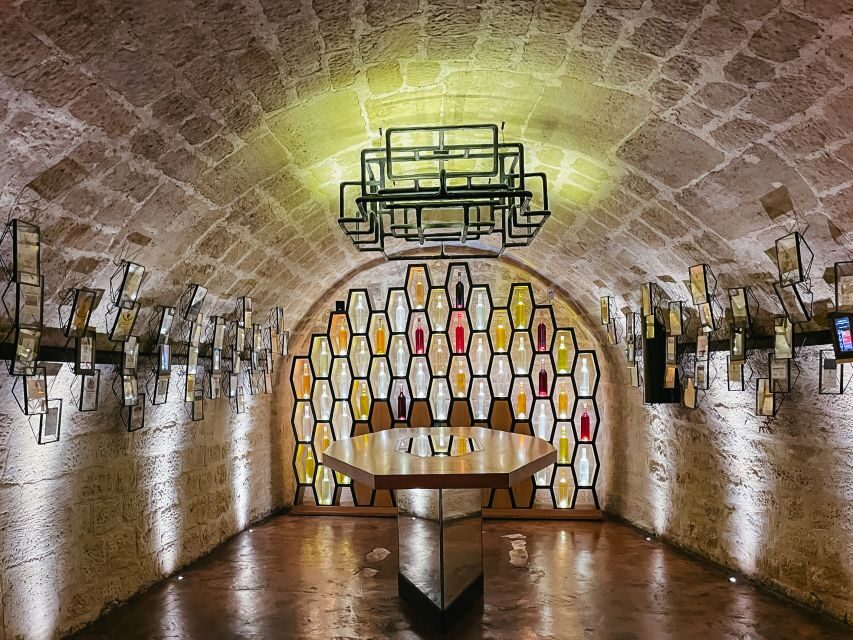
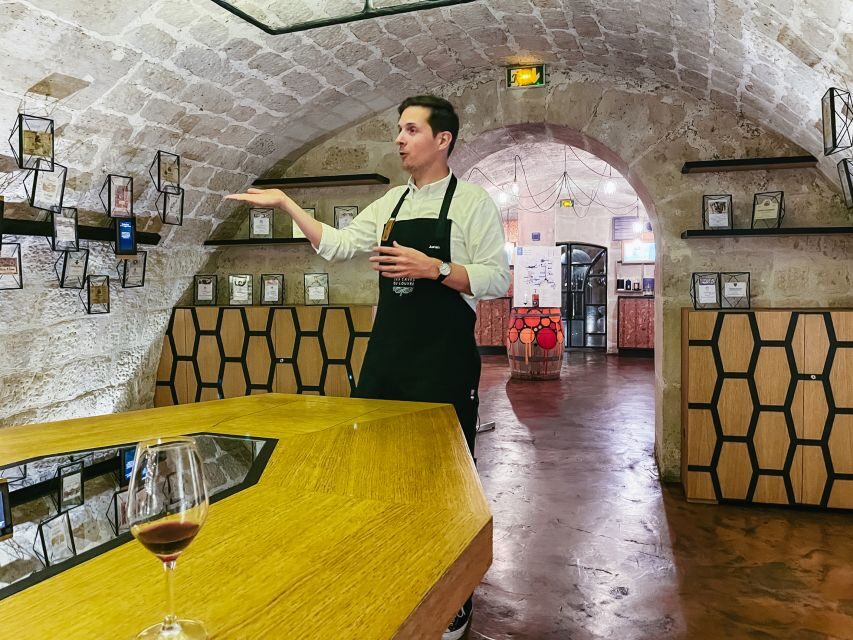
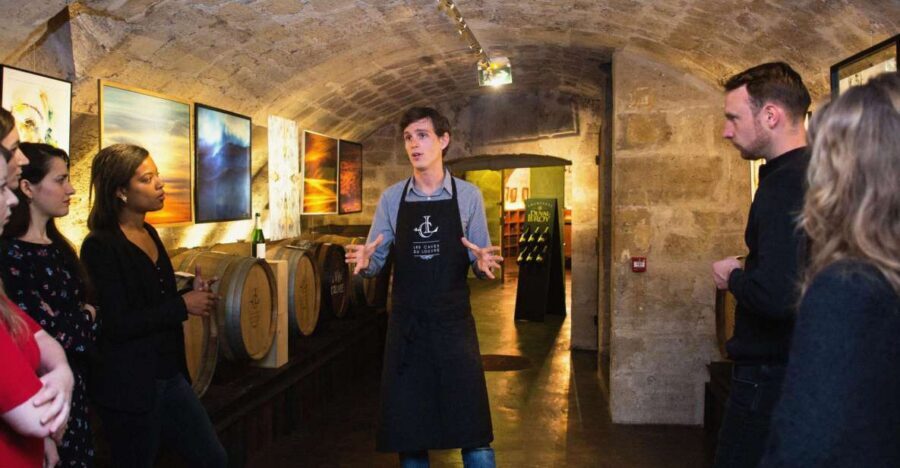
Les Caves du Louvre is one of those Paris experiences that quietly solves a common problem: what do you do when you want something cultural, but you don’t want another museum marathon? You get wine education and tasting in historic 18th-century cellars that were used for the wine storage of the King of France. That royal setting does more than look cool. It helps the whole session feel real.
I also like the fact that the tour doesn’t treat wine as a secret handshake. The format is interactive, with games and visuals, so you’re not just listening to facts. You’re using your senses right away, which is the fastest route to understanding why wine tastes the way it does.
One more practical point: the location is excellent for building a plan around it. It’s right in the center—close enough that you can pair it with a Louvre visit, or schedule it as a calmer interlude between busier sights.
Other guided Louvre Museum tours in Paris



Meeting at 52 Rue de l’Arbre Sec: How the One-Hour Flow Works
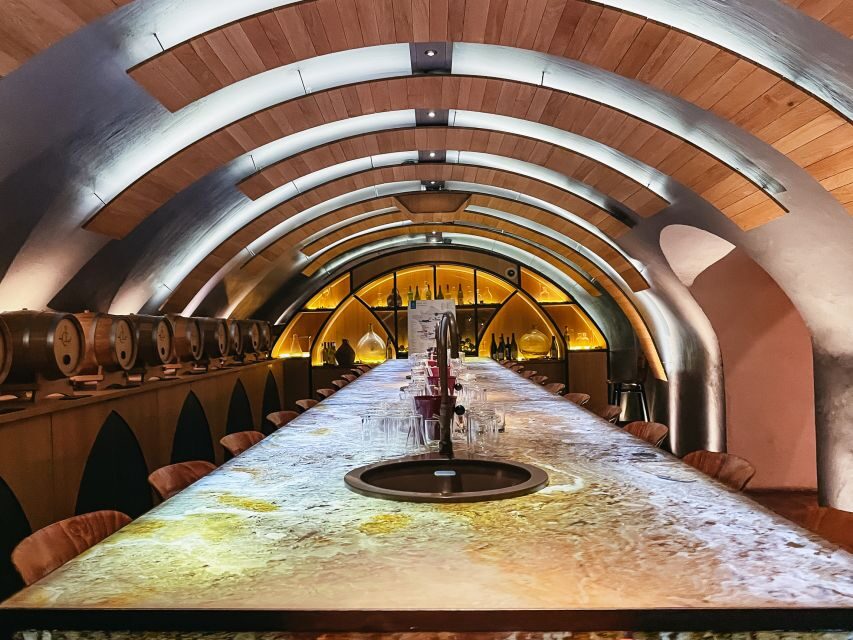
The meeting point is at 52, Rue de l’Arbre Sec, 75001 Paris. From there, you’ll follow your English guide through the cellar experience. The tour is 1 hour, so it’s designed to move with purpose. There’s little downtime, and the pacing is fast enough to fit into a tight sightseeing day.
Because it’s a short visit, you should go with a mindset of learning by doing. Pay attention to how the guide explains aroma and taste, then use that knowledge immediately during the tasting segment. If you’re the type who likes to analyze everything (in a good way), this hour gives you enough structure to feel smarter afterward.
You’ll also want to plan around food. Wine is included, but food is not. You may be able to purchase something on site, but you shouldn’t assume a full meal is part of the program. If you’re hungry, plan a bistro stop before or after.
The 5-Sense, Game-Based Wine Lesson: How It Stays Fun
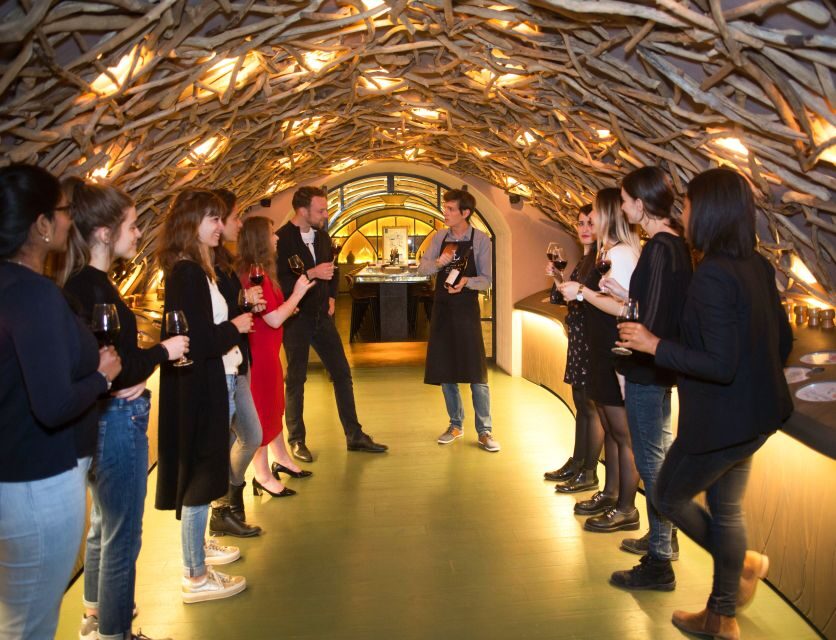
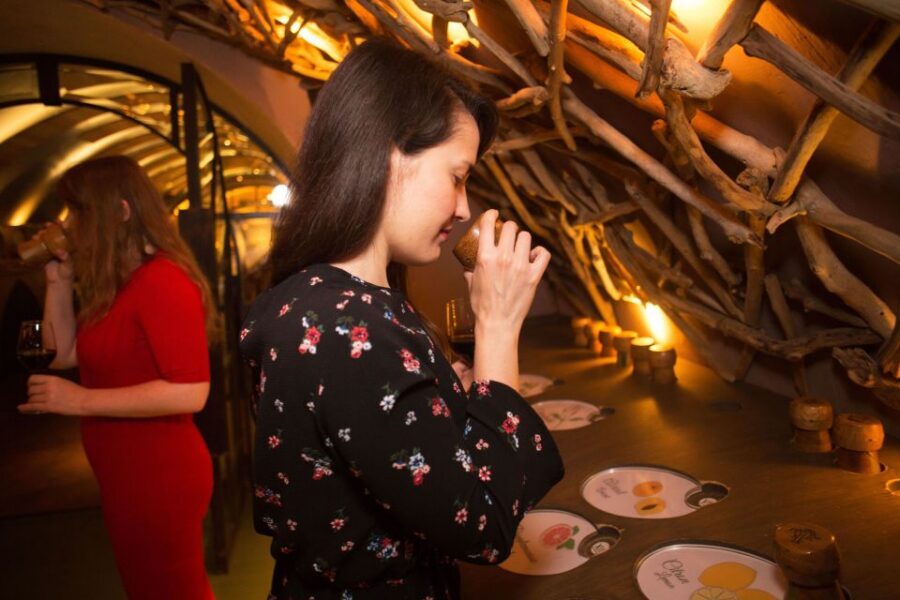
The big reason this tour works for beginners is that it doesn’t ask you to memorize wine terms. It trains your senses. You’ll experience a “sensory tour” built around games, videos, and surprising little learning moments that get your eyes, nose, and palate involved.
Here’s what that means in practice. Instead of only hearing about grapes and regions, you’re guided through steps of the wine-making process and asked to connect the dots using your senses. The format turns tasting into a skill, not a guessing contest.
One example of what you might do: aroma-based activities that help you identify note families. People mention interactive displays that spot aroma notes and help you describe what you smell. That kind of training matters because most wine disappointment comes from not knowing how to taste. Once you understand how to smell first, the rest gets easier.
Also, the tour includes an interactive app. It’s there to support the experience without turning it into a lecture. If you like learning tools, it’s a nice extra layer.
Grapes, Regions, Terroir, and the Fermentation Details You Actually Remember

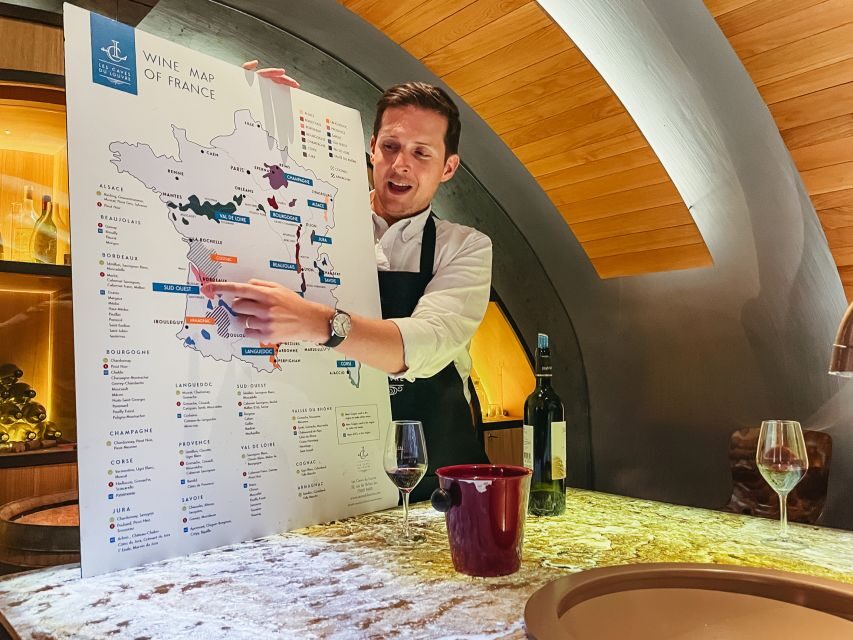
Wine education sounds like it could be dry. In this cellar, it’s usually the opposite. You’ll learn about different French grapes and wine regions, and you’ll connect those to what you taste.
The tour also walks through the wine-making journey—from grape to bottle—so you understand what happens along the way. People highlight details like fermentation processes and even the role of yeasts. That’s not just trivia. It helps explain why certain wines smell and taste the way they do, because fermentation choices can shape aroma and texture.
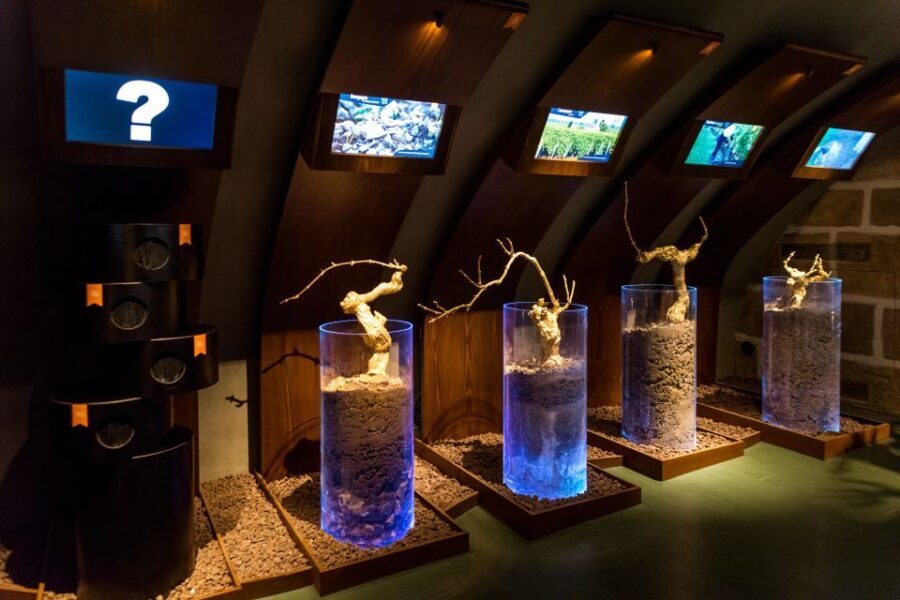
Terroir is another key theme. You’ll hear how soil and growing conditions influence flavors. Some guides use clear analogies to make that stick, like describing how tree roots access deeper soil over time, which mirrors how vineyards draw character from their environment. Even if you’re not a science person, a good analogy makes a topic feel concrete.
What I like here is the balance. You get enough context to appreciate a glass of wine, but it still fits inside a one-hour experience. If you’ve ever felt intimidated by wine vocabulary, this tour tries to replace that with practical tasting awareness.
Tastings of Three Rotating Wines: What the Sommelier Teaches
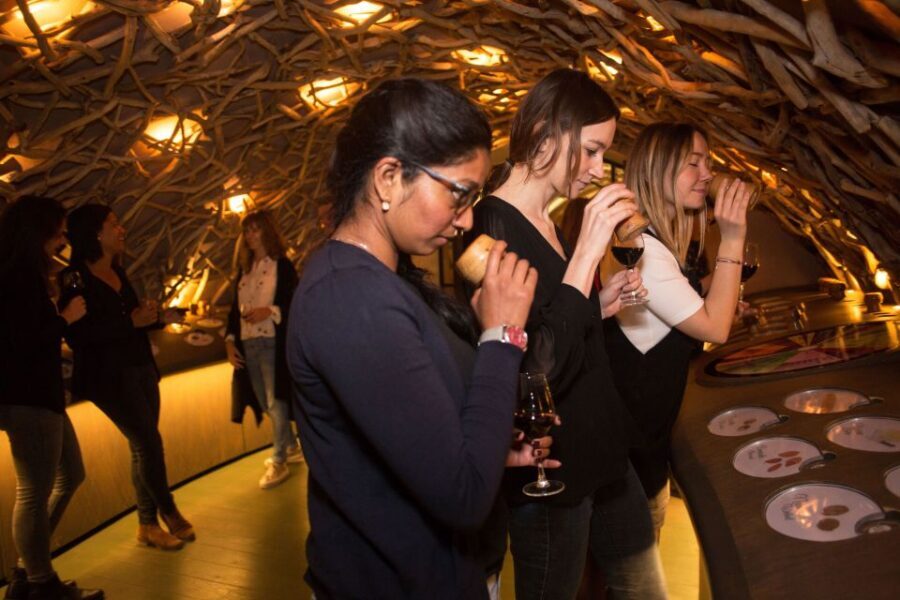
At the end, you choose and taste three wines. The wine list changes weekly, which means the tasting isn’t always the same set of grapes on repeat. That rotating menu keeps the tour feeling more current than a “same script every day” stop.
The sommelier portion is where you get real value. You’re taught tasting techniques, including how to use your nose and how to approach flavor differences with a method instead of vibes. People specifically talk about learning how to taste through smell and then translate that into what you notice on the palate.
Guides also tend to emphasize how wines from different regions can be clearly distinct. Several people mention tasting three wines with noticeably different traits, which is a great way to build your palate fast. You’re not stuck comparing only small variations—you get to feel the range.
If you see an option labeled a premium tasting, some people say it’s worth the upgrade because it strengthens the experience and adds to the quality of the wines poured. The tour does not require you to upgrade to enjoy it, but if wine matters to you more than the lesson, it can be a tempting add-on.
Other Paris city tours including the Louvre





Price and Value: Is $41 for One Hour Actually Fair?
At about $41 per person for a 1-hour tour, the price can look simple on paper: a short cellar walk plus tastings. But the value comes from what’s packed into the hour.
You’re paying for:
- a structured, guided wine lesson that uses sensory activities, not just storytelling
- access to the former royal cellars in a central, high-demand area
- a sommelier-led tasting with three wines and tasting guidance
- an interactive app to support the learning
For many wine tastings around Paris, you either get education without enough tasting, or tasting without enough technique. This one tries to combine both. If you want to leave with skills you can use later—like how to smell before you sip—then the price starts to make sense fast.
Also, the small group format helps with value. It’s easier to ask questions and get feedback when the room isn’t too large.
Who This Tour Fits Best (And Who Should Skip It)
This experience is a strong pick for adults who want a central, wine-focused activity that doesn’t require deep prior knowledge. It’s also great if you like hands-on learning more than formal lectures.
It’s not suitable for:
- pregnant women
- people with mobility impairments
- children under 18
That’s important because the cellar setting involves conditions that aren’t designed for everyone. If any of those apply to you, it’s worth choosing a different wine experience with easier access.
If you’re traveling as a couple, this can work well because you both get the same guided structure. If you’re traveling solo, the small group format can feel friendly rather than awkward.
Practical Tips to Get More From Your Hour
First, treat the tour like a tasting workshop. Go in ready to smell first. Try to notice what changes in your thinking as you move from one wine to the next. That’s how the lesson becomes useful outside the cellar.
Second, since the tour is English only, make sure your English comfort level is solid enough to follow tasting instructions. The guide is live and the pacing is interactive, so it helps if you’re comfortable catching explanations in real time.
Third, plan your day around the short duration. Because it’s one hour, you can often schedule it near Louvre time without blowing up your schedule. It also pairs well with a casual meal afterward since food isn’t included.
Finally, if you want to buy a bottle later, keep your notes in your head during the tasting. The shop on site is mentioned as a place where people can purchase bottles after tasting, so choosing what you genuinely like pays off.
Should You Book Les Caves du Louvre?
Yes, you should book if you want a quick, guided Paris wine experience with structure, tasting practice, and a cool setting under the Louvre area. It’s also a good choice if you’re new to wine and want the lesson broken down using your senses, not complicated jargon.
I’d hesitate if you can’t access cellar-style spaces easily, or if you need a tour that’s child-friendly or step-free. And if you only care about drinking and nothing else, you may find the education heavy—though even then, the sommelier techniques can make your next tastings better.
Bottom line: for one hour near the Louvre, this is a high-effort, high-learning-value stop—especially if you like interactive experiences and want three guided tastings instead of one random pour.
FAQ
How long is the Les Caves du Louvre guided tour?
The tour lasts 1 hour.
Is the tour offered in English?
Yes. The guided tour is in English only.
How many wines will I taste?
At the end of the tour, you choose and taste three wines.
Is food included in the price?
Food is not included. You may be able to purchase food on site.
Where do I meet for the tour?
The meeting point is 52, Rue de l’Arbre Sec, 75001 Paris.
Is the tour suitable for children or limited mobility?
No. It is not suitable for children under 18, and it is also not suitable for people with mobility impairments.