REVIEW · PARIS
Paris: Skip-the-Line Louvre Highlights Guided Tour
Book on GetYourGuide →Operated by Memories France · Bookable on GetYourGuide
The Louvre can feel like a museum built by a maze designer. This skip-the-line highlights tour helps you cut through the confusion fast, with an accredited local guide steering you to the works that matter most.
I especially like the small group size (limited to 6), because it makes the pacing feel calm instead of frantic. Another strong win is the way the guide turns famous objects into stories you can actually remember. One thing to keep in mind: even with faster entry, the Louvre is still crowded inside, and security can slow things down a bit.
In This Review
- Key reasons this tour works
- Why the Louvre needs a plan, not just a ticket
- Where you meet: Arc du Triomphe du Carrousel
- Skip-the-line entry: what it really buys you
- The pace and group size: better than you’d think
- 1.5 hours vs 3 hours: choose your level of museum time
- Where you go in the Louvre: a highlights route that makes sense
- French royal splendor and the Crown Jewels vibe
- Egyptian antiquities that put time in perspective
- Sculpture anchors: Winged Victory and Venus de Milo
- Michelangelo and the art of dramatic form
- Big paintings and political art: Liberty and Napoleon
- Napoleon III apartments: the Louvre as a home, not just a museum
- The Mona Lisa: how the best guides handle the crowd
- What you should do in front of the Mona Lisa
- What you’ll learn from the guide (and why it matters)
- Value check: is $137 a smart use of your time?
- Practical tips so your Louvre day doesn’t get messy
- Who should book this tour?
- Should you book the Louvre skip-the-line highlights tour?
- FAQ
- How long is the Louvre tour?
- Where do I meet for the tour?
- Is the tour guide in English?
- What makes this a skip-the-line tour?
- What items are not allowed in the museum?
- Can I stay in the Louvre after the guided portion?
Key reasons this tour works
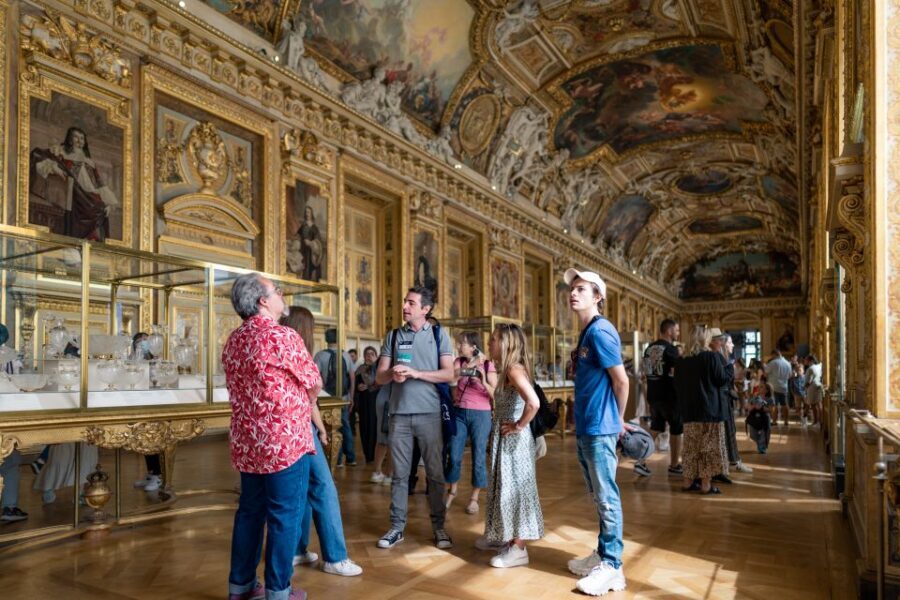
- Small-group pacing (up to 6): you’re not shoved into a big herd.
- Pre-reserved entry: you avoid the worst lines and start seeing art sooner.
- A guided route through the Louvre’s 10-mile problem: you get a plan for a sprawling building.
- High-impact highlights: Mona Lisa, Venus de Milo, Winged Victory, and major painting anchors.
- Guide-led art history with real anecdotes: the best guides use waiting time wisely at the Mona Lisa.
Why the Louvre needs a plan, not just a ticket
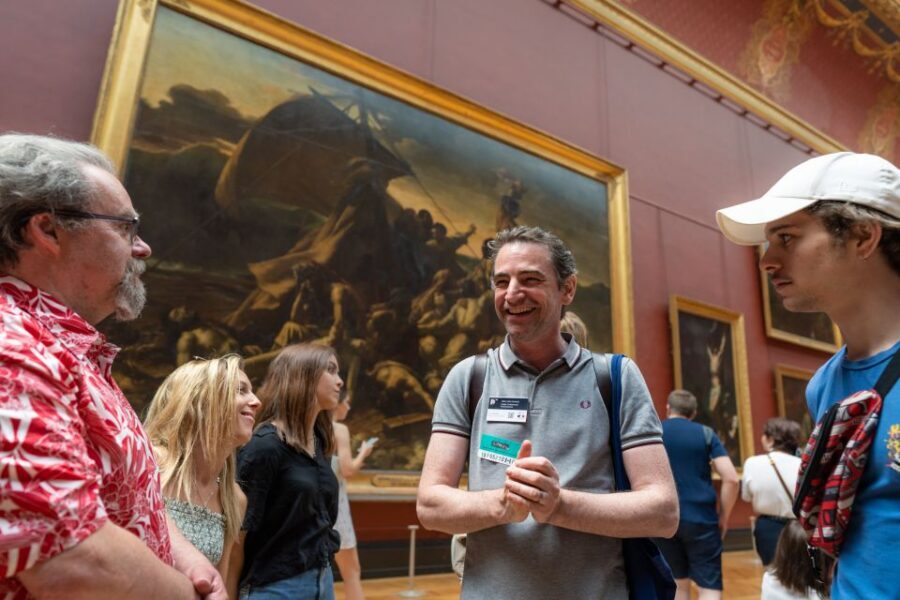
The Louvre’s size is the whole challenge. The building wasn’t designed as a museum, and today it stretches across nearly 10 miles of galleries. Without help, it’s easy to wander for an hour and still feel like you saw nothing but doorways.
That’s where this tour earns its place on your Paris list. A guide gives you structure: where to go first, what to look for up close, and how to connect eras and themes across the collection. You’ll spend your limited time on the Louvre’s most recognizable masterpieces, but also catch a few pieces you might walk past if you’re going solo.
I also appreciate the practical honesty of the setup. You’re not promised you’ll see absolutely everything. Instead, you’re guided toward the highlights and key context that makes the rest of the museum feel less random.
Other guided Louvre Museum tours in Paris



Where you meet: Arc du Triomphe du Carrousel
The tour meets at Arc de Triomphe du Carrousel, 75001 Paris, right near the Louvre area. Starting here is convenient because you’re already oriented toward the museum, and it keeps the process simple when you’re juggling transit, maps, and timing.
The tour ends back at the same meeting point. That matters more than it sounds: you won’t be forced to figure out your own exit plan right after you’ve spent time standing around masterpieces.
Skip-the-line entry: what it really buys you
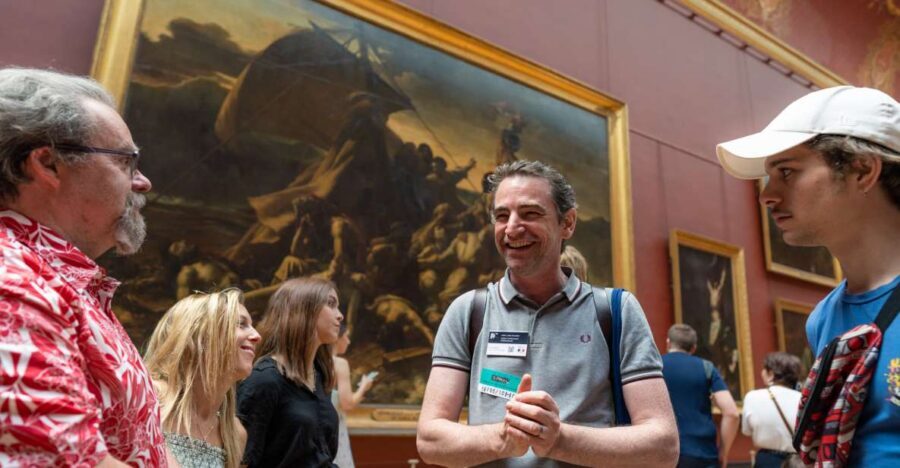
This experience includes pre-reserved entry tickets and a skip-the-ticket-line process. In plain terms, it means you should spend less time waiting outside and more time inside where the art is.
But let’s be real: the Louvre still has security, and increased security measures may affect the lines. So expect that the first hurdle might be shorter, not magical. Once you’re inside, you’ll still face crowds at the most famous stops, especially around the Mona Lisa.
The payoff is that your guide helps you use the time you save. One common thread from highly praised guides is efficiency: they move you through the building with purpose, and they help you get meaning from what you’re looking at, not just a checklist of names.
The pace and group size: better than you’d think
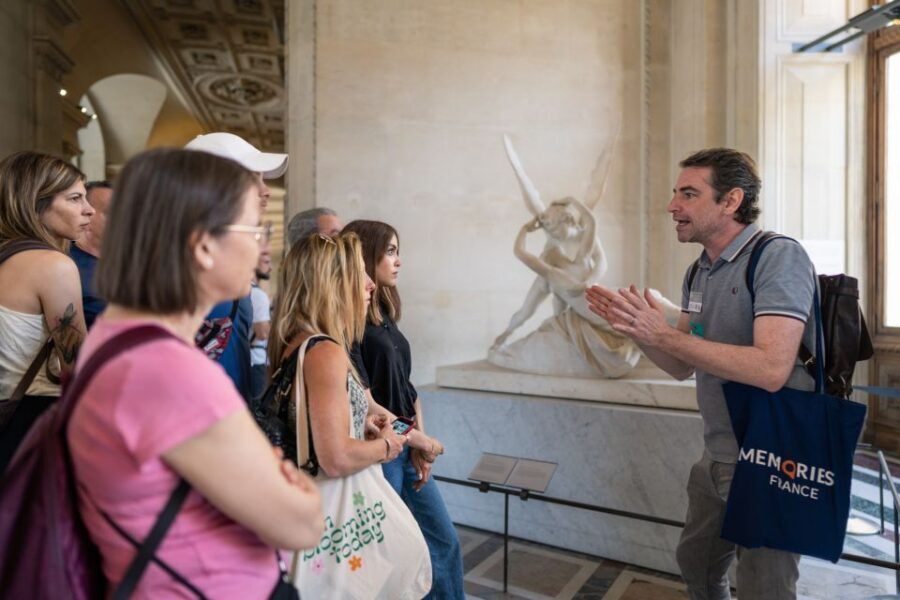
This is a small group limited to 6 participants, with a fully accredited local guide and live narration in English. That small number changes the experience in a few ways.
First, you can actually hear explanations. In a big group, you get a lot of back-of-head visibility. With six people, the guide can point, pause, and adjust based on what you’re looking at.
Second, the pacing feels human. People talk about seeing the Louvre as if it’s a race. A smaller group makes it easier to linger where something clicks, like a sculpture’s details or the composition of a major painting.
Finally, it’s easier to ask questions. If you’re the type who wants to know why something looks the way it does, you’ll have more room to connect that curiosity to the artwork.
1.5 hours vs 3 hours: choose your level of museum time
The tour comes in two lengths: 1.5 hours or 3 hours. If you’re short on time, the 1.5-hour option is a strong way to hit the big names without burning your whole day. If you want more context and a less rushed path, the 3-hour tour is the better match.
Other skip-the-line Louvre tickets in Paris





Where you go in the Louvre: a highlights route that makes sense
The Louvre’s layout can feel chaotic because it grew and changed over time. It’s not a clean “hall of masterpieces” experience. It’s a sprawling collection of civilizations and artistic styles packed into a single building.
A good guide does two things at once: they help you navigate, and they help you interpret. You’ll see major anchors across multiple categories—sculpture, painting, antiquities, and royal-era rooms—so the museum feels like one story instead of a random pile of rooms.
Here are the kinds of highlights you can expect to encounter during the guided walk:
French royal splendor and the Crown Jewels vibe
You’ll have the chance to see the French Crown Jewels, and that’s more than a shiny detour. These objects help you understand how power, ceremony, and display shaped art and craftsmanship in France.
If you enjoy symbolism and spectacle, this is where the Louvre starts to feel less like a must-see list and more like a museum with political storytelling.
Egyptian antiquities that put time in perspective
The Louvre holds Egyptian antiquities that date back thousands of years. That time jump is part of why the Louvre is so fascinating, but without guidance it can feel like you’re just hopping between eras.
Your guide can connect what you’re seeing to cultural purpose—how these objects were made to last, what they were meant to communicate, and why Egyptian art still hits so hard even after millennia.
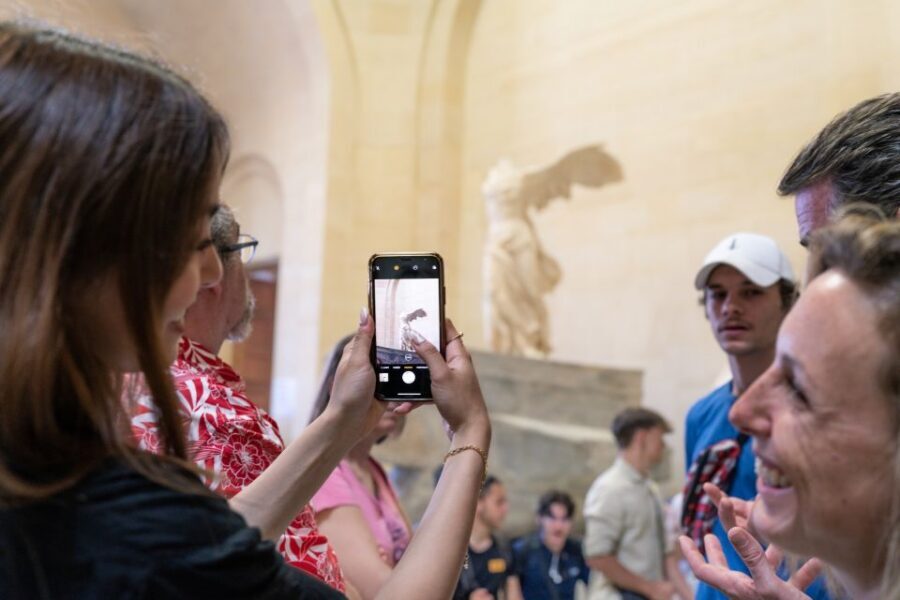
Sculpture anchors: Winged Victory and Venus de Milo
The tour calls out famous sculpture highlights like the Winged Victory and the Venus de Milo. This is exactly where a guide adds value.
When you stand in front of a famous statue, you might notice the overall shape—but you might miss the details that make the work work: how the pose communicates movement, how the surface handles light, and what makes the proportions so memorable.
Michelangelo and the art of dramatic form
You’ll also see sculptural wonders attributed to Michelangelo. For many people, that’s one of the moments where the Louvre stops being “the museum with a painting everyone knows” and becomes something deeper: an art collection that shaped European tastes and techniques.
Even if you don’t consider yourself an art person, it’s hard not to feel something when you’re standing next to a master’s work.
Big paintings and political art: Liberty and Napoleon
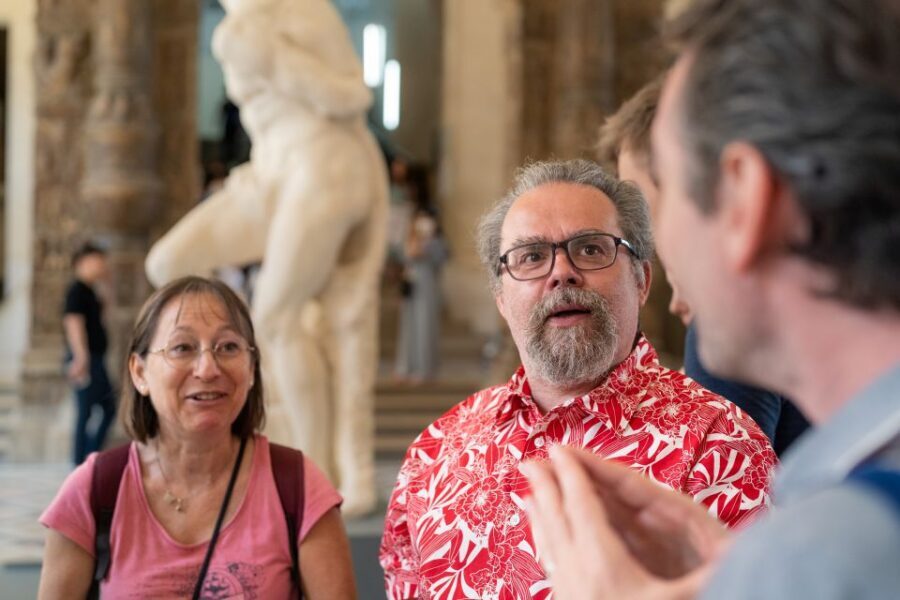
The Louvre is famous for paintings too, and this tour includes major painting anchors such as Liberty Leading the People and The Coronation of Napoleon.
These aren’t just famous titles. They show you what art can do in public life: inspire emotion, communicate ideology, and define how people understood major events.
If you’ve got even a casual interest in French history, these stops can become a fast education. You’ll see how the Louvre’s collection fits together with the story of France itself—power, revolution, and empire.
Napoleon III apartments: the Louvre as a home, not just a museum
One standout category in this experience is the sumptuous apartments of Napoleon III, plus richly decorated salons preserved from the Second Empire. That’s a big deal because it changes what you think the Louvre is.
Instead of only thinking about art hung on walls, you get a sense of the setting: how spaces were designed for living, ceremony, and display. It’s easier to respect the scale of the museum when you realize parts of it used to be personal and political stages.
This section also helps you appreciate the Louvre’s awkwardness in a new way. The museum’s sprawl isn’t only about “more galleries.” It’s also about how the space evolved. That’s why a guided route helps: you’re not just moving through rooms, you’re moving through time.
The Mona Lisa: how the best guides handle the crowd
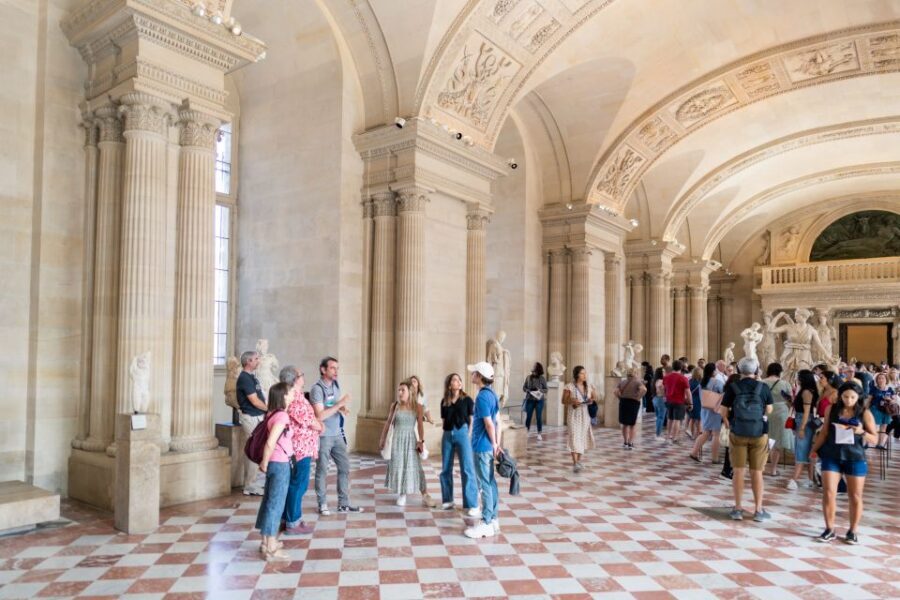
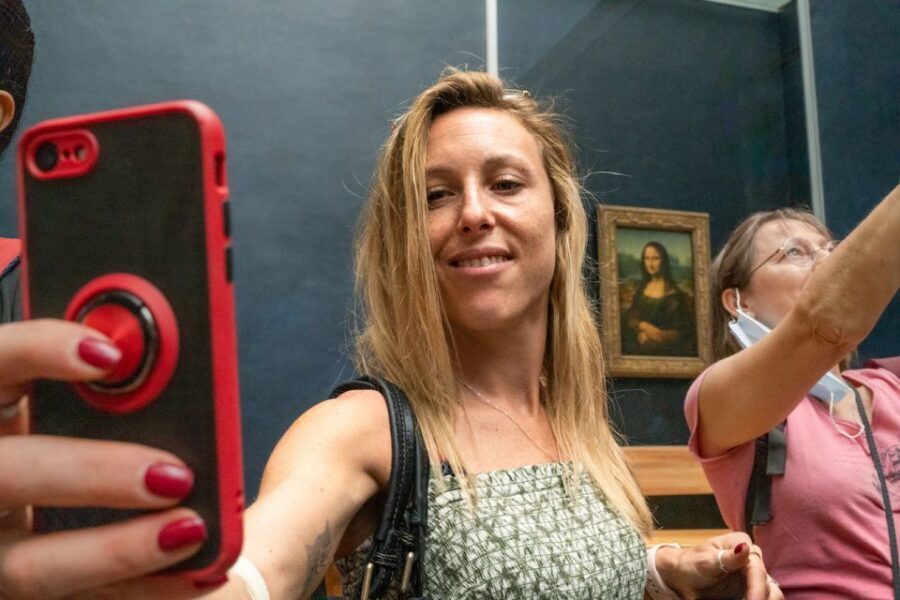
You can’t tour the Louvre without reaching Da Vinci’s Mona Lisa. This tour makes sure you do, and it also emphasizes the real reason the Mona Lisa works: the painting is enigmatic, but your guide can explain why.
The best guides are often the ones who turn waiting into learning. One strong theme from highly praised guides is how they use the time near the Mona Lisa to share context and details, so the experience doesn’t feel like you only saw her in a blurry flash.
What you should do in front of the Mona Lisa
You don’t need to memorize art history to enjoy it. Do this instead:
- Look at the face, then look at the hands. They’re a big clue to expression.
- Step back if you can. Sometimes distance helps your brain stop “zooming in” on the details and start reading the composition.
- Listen for the guide’s explanation of what makes the painting feel off-kilter in the best way.
If you’re worried you won’t get enough time at the painting, trust the guide’s role here. The point of paying for a highlights tour is to spend your attention efficiently.
What you’ll learn from the guide (and why it matters)
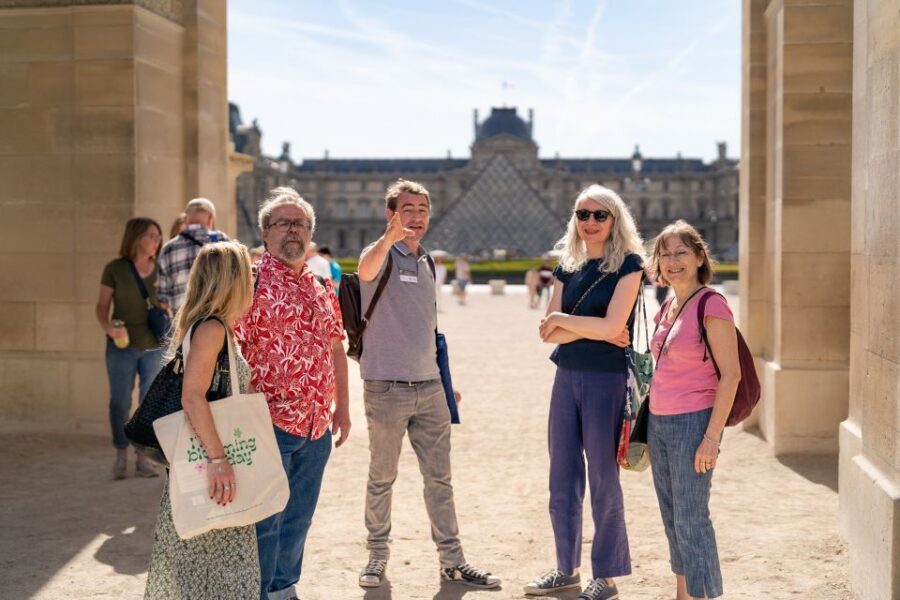
A guided Louvre tour isn’t only about seeing famous objects. It’s about building a mental map.
The guide helps connect:
- Why certain works became famous
- How different artists and eras influenced each other
- What to notice when you’re face-to-face with something old and famous
Several praised guides in the pool have been described as warm, approachable, and patient—traits that matter in a museum where people can get overwhelmed fast. Some guides are especially good at keeping families engaged and explaining things in a way that keeps teens from checking out.
And if you’re a first-timer, that’s huge. Your brain doesn’t get “art overwhelm” as quickly when someone turns the chaos into a route with meaning.
Value check: is $137 a smart use of your time?
At $137 per person, this tour isn’t a budget impulse buy—but it can be excellent value depending on how you travel.
Here’s what you’re paying for:
- A small group (up to 6)
- A fully accredited local guide with live English narration
- Pre-reserved tickets and skip-the-ticket-line
- A focused time window of 1.5 hours (or a longer 3-hour option)
If you’re in Paris for a short time, time has a real cost. Waiting in line and wandering without a plan often means you lose both your energy and your “I’m glad I came” feeling. This kind of tour helps protect your main asset: attention.
That said, you should go in with reasonable expectations. The Louvre is still crowded, and you may still experience bottlenecks around the biggest names. The money is mainly buying you smoother entry and a smarter route, not a private museum.
Practical tips so your Louvre day doesn’t get messy
This tour is straightforward, but a few rules can make or break the day.
- Bring your passport or ID card.
- Don’t bring luggage or large bags.
- Anything bigger than 55x35x20 cm isn’t permitted in the museum.
Also, plan for security. Even when lines are shorter at the start, the museum has strict procedures and increased security measures can affect how long you spend in queues.
Who should book this tour?
This works best if you:
- Have limited time in Paris and want the Louvre’s top hits with context
- Feel intimidated by the Louvre’s scale and layout
- Want an English-speaking guide who can explain what you’re seeing, not just point at it
- Prefer a calmer experience with a small group instead of a packed tour
If you already know the Louvre well and want deep specialization, you might find a highlights tour too general. But for most people, especially first-timers, it’s a strong way to get oriented and leave with a coherent sense of what you saw.
Should you book the Louvre skip-the-line highlights tour?
If you’re asking me, I’d book it—especially if the Louvre is one of the big “musts” on your trip. The mix of skip-the-line entry, a small group, and a guide-led route through the museum’s biggest anchor works is exactly how you get the most satisfaction per hour.
Just keep one expectation in check: the Mona Lisa area and key highlights can still be crowded, even with faster access. If that kind of crowding would stress you out, plan a calmer museum day elsewhere too.
FAQ
How long is the Louvre tour?
The experience is offered as either a 1.5-hour tour or a 3-hour tour. Starting times vary, so you’ll want to check availability.
Where do I meet for the tour?
You meet at Arc de Triomphe du Carrousel, 75001 Paris, France. The tour ends back at the meeting point.
Is the tour guide in English?
Yes. The tour includes a live guide in English.
What makes this a skip-the-line tour?
The tour includes pre-reserved entry tickets and lets you skip the ticket line.
What items are not allowed in the museum?
Luggage or large bags are not allowed. Items exceeding 55x35x20 cm are not permitted.
Can I stay in the Louvre after the guided portion?
Yes. After the guided service, you can remain in the museum until closing time if you wish.