REVIEW · PARIS
Paris: Louvre Museum Tour Mona Lisa & Iconic Masterpieces
Book on Viator →Operated by GetYourGuide France · Bookable on Viator
The Louvre can feel like a maze. This tour gives you a focused route through the Mona Lisa and other must-sees, plus context for what you’re looking at. I especially like the skip-the-line ticket access and the fact that you get audio headsets, so you can hear the guide without craning your neck. One thing to watch: on busy days you can still face some waiting at security, and the pace may feel fast if your group wants lots of photo time.
You start outside the museum area, walk in with your group, and then you’re left inside after the tour—under the pyramid—so you can keep wandering at your own speed. Expect a smallish group (max 25) and an English guide for a tightly managed 2-hour highlights loop. The result is great for first-timers, but it’s not a slow, gallery-by-gallery experience.
In This Review
- Key Things to Know Before You Book This Louvre Tour
- Why This 2-Hour Louvre Highlights Tour Works for Real Days in Paris
- Price Breakdown: What You’re Actually Paying For
- Meeting Point Reality: Where You Start and How Not to Get Stuck
- Stop 1: The Louvre Orientation and Highlights Route That Saves You From Guesswork
- Mona Lisa: How This Tour Handles the Crush (and Your Photo Plan)
- Venus de Milo and Winged Victory: Ancient Greek Sculpture That Actually Feels Alive
- Renaissance, Paintings from the 13th to 19th Centuries, and Royal Prints
- The Louvre’s Basement Foundations: A Small Stop With Big Meaning
- Headsets, Comfort, and How to Keep the Tour Feeling Easy
- After the Tour: Plan Your Second Act Under the Pyramid (Without Getting Locked Out)
- Group Size, Pacing, and Which Departure Time Fits You Best
- Should You Book This Louvre Tour? My Take
- FAQ
- How long is the Louvre tour, and does it include time inside the museum afterward?
- Is admission included in the tour price?
- Where do we meet, and where does the tour end?
- Can I re-enter the Louvre after I leave the rooms?
- What’s the group size limit?
- Is the tour offered in English?
- Are children or young adults eligible for free entry?
Key Things to Know Before You Book This Louvre Tour
- Pre-reserved entry helps you avoid the biggest ticket chaos and get moving faster
- Audio headsets keep you connected to the guide, even when crowds squeeze in
- A tight 2-hour plan focuses on famous works plus a few lesser stops along the way
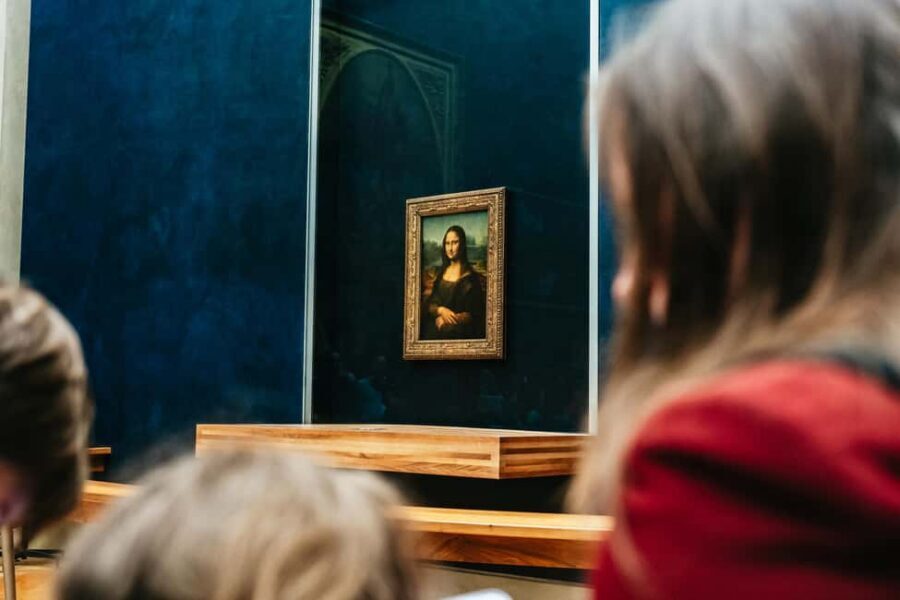
- Mona Lisa is included, but you’ll need to be strategic about photos and patience
- You’ll be released inside the Louvre afterward, but re-entry isn’t allowed once you exit the wings
- English-only with group logistics, so you’ll follow the guide’s route rather than roam freely
Why This 2-Hour Louvre Highlights Tour Works for Real Days in Paris

Let’s be honest: the Louvre is enormous. Even if you’ve studied a list, you’ll still lose time figuring out where to go next. This tour solves that problem by steering you straight to the Louvre’s headline pieces and the stories behind them.
The best part is that the tour isn’t just about names on a map. You get a guided path that connects Renaissance portraiture to ancient Greek sculpture and later European painting. I like that because it turns the museum from a random scroll of art into something you can actually track.
You also get a small time win that matters in Paris. Two hours is a realistic chunk to spend here, especially if you want time afterward to wander. The tour works best when you treat it as the first chapter of your Louvre visit, not the whole book.
Other Mona Lisa tours at the Louvre



Price Breakdown: What You’re Actually Paying For
At $108.13 per person, the price may sound high until you line up what’s included. You get an entrance ticket (€22), a licensed 2-hour guided tour, and audio headsets. That’s the core value: you’re paying for direction, context, and smoother access.
Here’s the practical math: a museum ticket alone doesn’t get you the route planning, pacing, or explanations. And the Louvre is the kind of place where waiting around can eat hours fast. If this tour helps you skip the long ticket lines, that can turn the price into a time-saver, not a splurge.
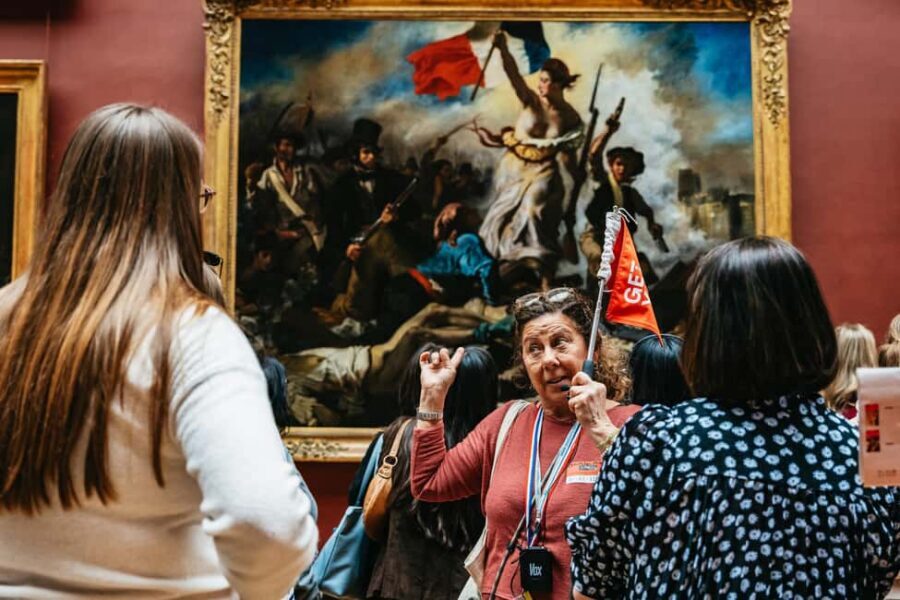
One more value point: the tour keeps you moving with purpose. Several guides in the experience are praised for navigating crowds well and hitting the key works in a short window. That matters because the Louvre’s “freedom” can turn into aimless wandering and frustration.
Meeting Point Reality: Where You Start and How Not to Get Stuck
Your meeting point is Le Kiosque des noctambules, 12 Pl. Colette (75001 Paris). That’s not inside the Louvre itself, which is smart because the museum entrance area is chaotic. Your group will meet near that spot, then you’ll head in together.
I’ll tell you the main logistics trick: arrive early. Some tours run smoothly, but you still need time for check-in and getting everyone together before you hit security. On a crowded day, even the best plan can slow down a little.
Also note the ending rule. You’ll finish inside the Louvre under the pyramid, and once you’ve exited the wings, you cannot re-enter the rooms. In other words, this is a one-way museum flow. Plan your post-tour wandering with that in mind, or you’ll waste time backtracking.
Stop 1: The Louvre Orientation and Highlights Route That Saves You From Guesswork

Right when the tour begins, you’re set up for success. The guide takes you through a highlights route meant to cover the big-name artworks and key ideas without leaving you stranded in the wrong wing.
You’ll get an overview of what you’re seeing across different eras:
- Ancient Greek sculpture, including star attractions like Venus de Milo and The Winged Victory of Samothrace
- Renaissance portrait and painting, including the unforgettable Mona Lisa
- Later European art, including paintings spanning the 13th to 19th centuries
- Royal Collection prints and other works that deepen the story beyond the headlines
The tour also includes a museum-meets-history angle. In the basement of the Louvre Palace, you’ll see the foundations of the castle that used to stand on the site. It’s a great way to remember the Louvre isn’t just a building full of art. It’s also a location layered with centuries of change.
The drawback to keep in mind is pacing. In a few cases, guides have moved quickly through some areas, and the group has spread out a bit near entrances and transitions. If you want long hangs with paintings, this isn’t that kind of tour.
Mona Lisa: How This Tour Handles the Crush (and Your Photo Plan)

The Louvre’s most famous painting comes with the most famous crowd. This tour specifically includes time to see the Mona Lisa, and you’ll learn why it became a cultural magnet.
Still, set expectations. Getting close enough for a great photo is its own mission inside the painting hall. Even with a guided plan, the crowd bottleneck is real. So your best move is to treat your first look as a moment, not a photo shoot.
I like that the tour doesn’t send you past it. It brings you there as part of a structured route, so you’re not stuck searching for it among a sea of people. And once you’ve seen it, you can move on with far more confidence.
Other Louvre masterpieces and highlights tours in Paris




Venus de Milo and Winged Victory: Ancient Greek Sculpture That Actually Feels Alive
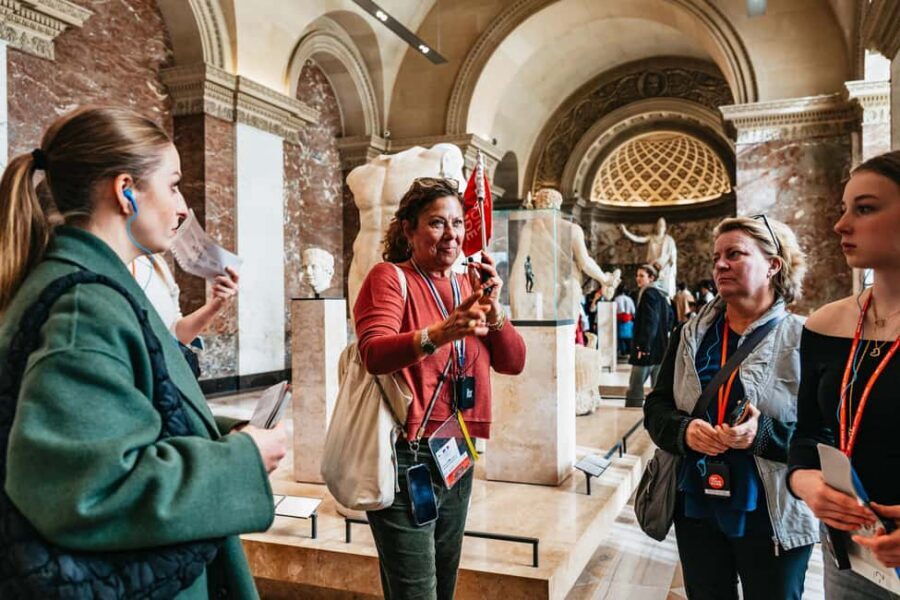
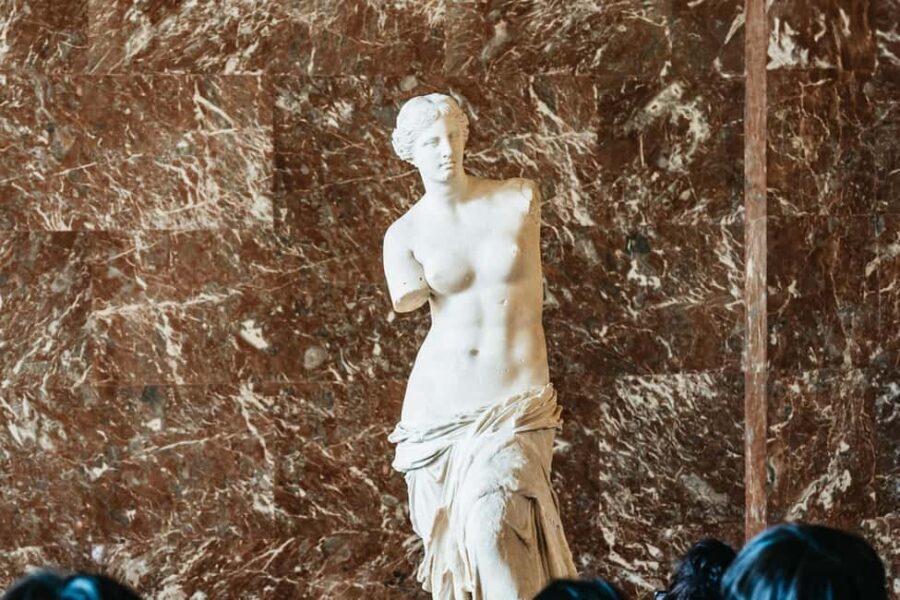
This tour’s ancient sculpture stops are a big reason to book. Venus de Milo and The Winged Victory of Samothrace aren’t just famous because people say they are. They’re dramatic in a way that’s easier to understand with a guide pointing out form and context.
You also get help reading the pieces. A strong guide focuses on what makes the sculpture meaningful—its pose, its presence, and the story implied by its survival through time. The tour includes “why this matters” moments so you don’t just stand there and think, I’ve seen it on a postcard.
These stops work especially well if you’re traveling with teens or someone who might get bored in a long museum. Several guides are described as good at keeping younger people engaged, including asking questions and building energy in the group. That’s a real practical advantage for families.
Renaissance, Paintings from the 13th to 19th Centuries, and Royal Prints
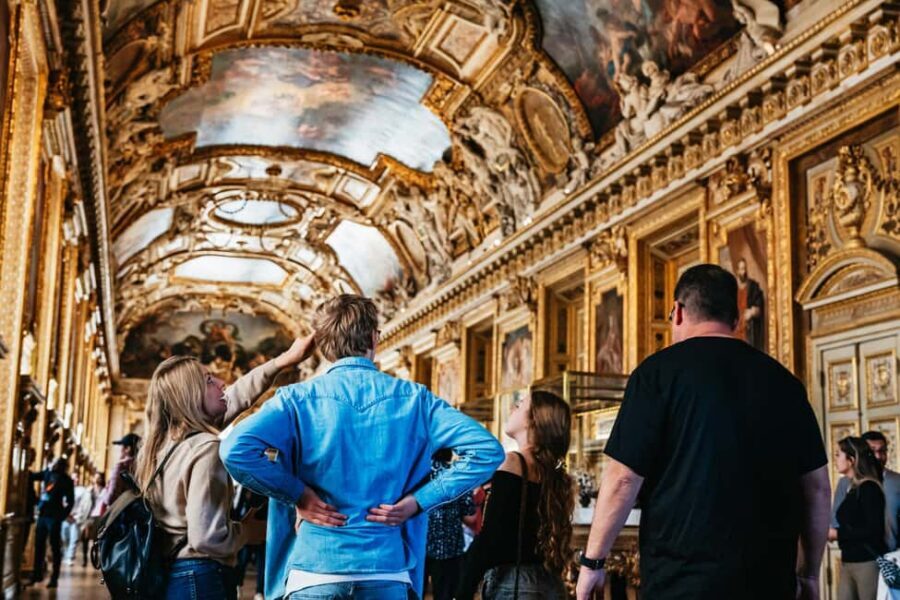
After the ancient highlights, the tour shifts into painting and print material. You’ll see Renaissance treasures and then move through works from the 13th to 19th centuries, plus prints from the Royal Collection.
This is where the guide storytelling becomes your shortcut. Without context, it’s easy to admire paintings and still miss the bigger thread—style changes, political influence, shifts in taste, and why certain subjects mattered. With a guide, you start connecting the dots.
One caution: if you’re the type who wants to study fine details in person, you may wish you had more time. The tour is designed to show a broad overview. That’s the trade: you’ll see more “key stops,” but you won’t have hours to re-check every brushstroke.
The Louvre’s Basement Foundations: A Small Stop With Big Meaning

One of my favorite types of museum moments is when you see the building itself become part of the story. This tour includes access to the basement area where you can see the foundations of the castle that once stood on the site.
This adds texture to the visit. The Louvre isn’t only art history. It’s also architecture, power, and survival. Seeing the physical remnants makes the museum feel more grounded and less like a glossy gallery show.
It’s also a smart way to break the “just look at paintings” pattern. If your mind is getting fatigued from crowd energy, this kind of historical stop can reset your brain.
Headsets, Comfort, and How to Keep the Tour Feeling Easy
The tour uses audio headsets, which is a big deal in the Louvre. Without them, you end up either fighting the crowd noise or lagging behind to hear.
That said, headset comfort can vary, especially for kids. One helpful tip from an experience: you may be able to plug your own earphones into the device. If you’re bringing a child, or if you know small headsets bother them, consider bringing your own earbuds to match their comfort level.
Also think about how you’ll handle group proximity. The whole point is that you can hear the guide clearly, so you can stay close when the group moves. If you drift too far, you lose the timing that keeps the tour efficient.
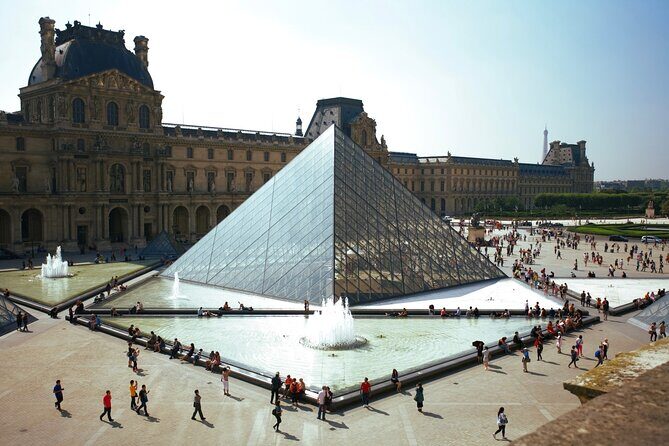
After the Tour: Plan Your Second Act Under the Pyramid (Without Getting Locked Out)
At the end, you’ll be left inside the Louvre where you can keep exploring. That’s a huge plus because you get a guided “starter pack” and then freedom once the route is done.
But remember the rule: once you exit the wings and you’re under the pyramid, you cannot re-enter the rooms. That means your post-tour wander needs a little strategy. If you spot something you want to chase down, don’t wander off and hope you can circle back.
I recommend doing a quick mental reset before your tour ends. Decide what you’ll do with the remaining time:
- Revisit one highlight you loved
- Browse nearby galleries you saw from the guided route
- Follow a general theme you care about (ancient, Renaissance, prints)
This is also where you can let the museum surprise you. A guided route makes the Louvre readable; your free time lets it stay fun.
Group Size, Pacing, and Which Departure Time Fits You Best
This is a group tour with a maximum of 25 travelers. That’s big enough to meet the Louvre efficiently, but small enough that you’re not constantly losing each other.
Still, crowds affect everything. If you go during a peak time, you may feel squeeze points at security and inside major halls. Several experiences mention that busy conditions can make things feel hot and congested, and that can limit how long you want to stand.
Pacing is the other variable. Some guides are described as moving straight to masterpieces and keeping momentum without wasting time. Others have been praised for being patient and even helping people find elevators. If you want a slower rhythm, go in with eyes open that this tour aims for efficiency over leisurely wandering.
Should You Book This Louvre Tour? My Take
Book it if:
- You’re visiting the Louvre for the first time and want a high-success plan for seeing the biggest works
- You care about context, not just a checklist
- You want audio headsets to reduce the stress of crowd noise
- You have limited time and want to use the rest of your day inside afterward
Skip it (or think twice) if:
- You hate group pacing and want hours alone with art
- You’re hoping to spend long minutes photographing in the Mona Lisa room without crowd friction
- Your priority is slow study rather than highlights and navigation
My bottom line: this is a smart “first visit” format. You get a guided route through the Louvre’s most famous anchors—Mona Lisa, Venus de Milo, Winged Victory, plus painting and even the basement foundations. If you treat it like a starter course and then wander wisely afterward, you’ll leave with a much clearer Louvre in your head.
FAQ
How long is the Louvre tour, and does it include time inside the museum afterward?
It’s about 2 hours. After the tour, you’ll be left inside the Louvre to continue exploring on your own.
Is admission included in the tour price?
Yes. The tour includes a museum entrance ticket valued at €22, plus the guided tour and audio headsets.
Where do we meet, and where does the tour end?
You meet at Le Kiosque des noctambules, 12 Pl. Colette, 75001 Paris. The tour ends inside the Louvre under the pyramid.
Can I re-enter the Louvre after I leave the rooms?
No. Once you’ve exited the wings and are under the pyramid, you cannot re-enter the rooms.
What’s the group size limit?
The group has a maximum of 25 travelers.
Is the tour offered in English?
Yes, it’s offered in English.
Are children or young adults eligible for free entry?
Free admission applies to visitors under 18 and EEA residents under 26, if they show valid ID and proof of residency.