REVIEW · PARIS
LOUVRE PRIVATE TOUR: Priority Access tickets & Local expert guide
Book on Viator →Operated by MY PRIVATE PARIS · Bookable on Viator
Paris has a talent for swallowing time. This private Louvre visit beats the chaos with priority access and a dedicated local guide who helps you hit the highlights fast. I also like that the route feels flexible, so you’re not stuck marching past things you don’t care about. One drawback to keep in mind: at $360.84 per person, this is a premium choice, so you’ll want to go in knowing what you want to see.
You meet near the Louvre Pyramid area in the Cour Napoléon zone, then step inside without the long stalling lines that can eat your afternoon. If you’re traveling as a couple, family, or small group that wants a smoother museum experience, the “private” setup matters. English is supported, and your guide can tailor pacing and emphasis to your interests.
In This Review
- Key things I’d plan around
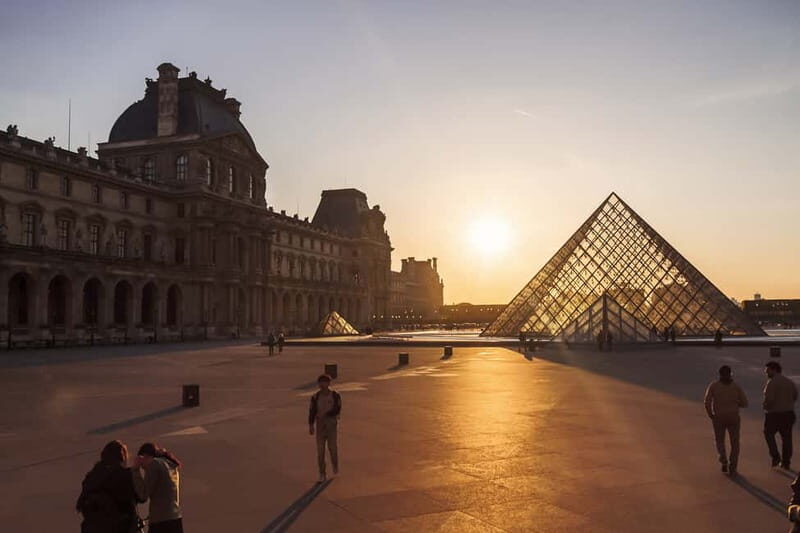
- Entering the Louvre Fast: Priority Access at the Glass Pyramid
- Your 2.5-Hour Louvre Game Plan (and why it works)
- Where your time usually goes inside
- A quick note on what the tour includes
- Stop-by-Stop: What you’ll likely see and what to watch for
- 1) Louvre Pyramid meeting point: get oriented before you’re overwhelmed
- 2) The medieval fortress and the museum’s layered power
- 3) Greek antique statues: learning to look, not just identify
- 4) Italian Renaissance paintings: why they matter in the Louvre’s story
- 5) French masterpieces of the 1800s: when art starts talking back
- 6) Marly & Puget courtyards: art history beyond the paintings
- 7) Napoleon’s Apartments: power, design, and symbolism
- What the private guide really changes
- Price and value: is $360.84 per person worth it?
- Practical logistics you’ll be glad you considered
- Timing and pacing
- English guidance
- Your end-of-tour options
- Getting there
- Who this Louvre private tour is best for
- Should you book this Louvre priority access private tour?
- FAQ
- How long is the Louvre private tour?
- Is this a private tour?
- What language is the tour offered in?
- What’s included in the price?
- Where do we meet for the tour?
- Can we choose what to focus on during the tour?
- What is the cancellation policy?
Key things I’d plan around
- Skip-the-line priority entry through the Louvre’s most famous entrance area at the start
- Private, just-for-you guiding with time to steer toward your must-see works
- A structured best-of route that connects sections (from classical sculpture to French painting)
- Time for follow-up choices at the end, including staying a bit longer if you want
- Guide quality is the whole point, with named examples like Romain, Elliott, Alexandre, Marc, and Laura in recent experiences
Entering the Louvre Fast: Priority Access at the Glass Pyramid
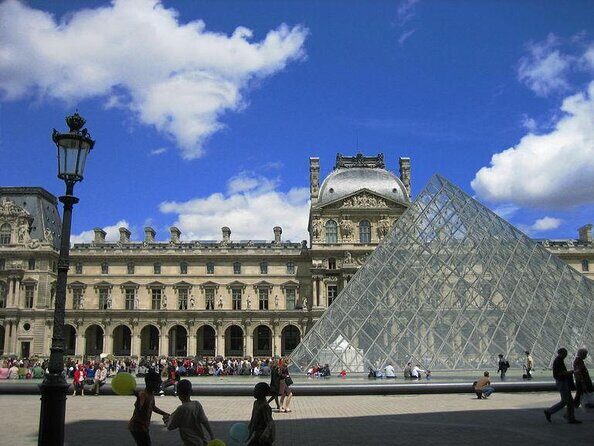
The Louvre can be a full-contact sport: lots of people, lots of sightlines, and not much patience. This tour starts you in the right place—front and center near the Glass Pyramid—so you can get moving quickly instead of wasting your energy in queue misery.
A small but meaningful detail: your guide wears a distinctive sign that helps you spot them immediately. That sounds basic until you’re standing in a crowd trying to match faces to photos. Here, you get a clear meetup point and a clean handoff into the museum.
The practical win: priority entry doesn’t just save minutes, it changes the tone of the visit. With less time spent waiting, you can actually look at things. You can pause. You can read what matters. And you’re more likely to remember what you saw because you’re not rushing to “make it worth it.”
Other private Louvre tours in Paris



Your 2.5-Hour Louvre Game Plan (and why it works)
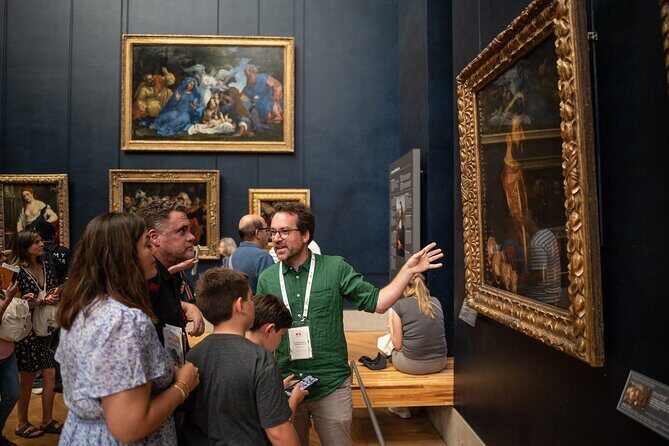
This experience runs about 2 hours 30 minutes. That’s long enough to feel you got inside the museum’s “world,” but not so long that you melt down from museum fatigue.
The tour is private, which means your pace is yours. You can tell the guide what you care about—famous paintings, sculpture, royal history, or specific periods—and the route can lean that direction. The setup is designed to give you a coherent Louvre story, not a scattershot checklist.
Where your time usually goes inside
Your visit typically includes the Louvre’s major eras and power centers, including:
- the Louvre medieval fortress
- Greek antique statues
- Italian Renaissance paintings
- French masterpieces from the 1800s
- the Marly & Puget courtyards
- Napoleon’s Apartments
Even if you don’t know the names of these areas yet, the order helps. You’re not just seeing objects; you’re seeing how the building and collection evolved. That context can turn a walk-through into something you can actually explain afterward.
A quick note on what the tour includes
You get a local expert guide plus reserved, dedicated access. Admission is included during the tour time, so you’re not bouncing between systems and counters.
Stop-by-Stop: What you’ll likely see and what to watch for

Other Louvre Museum entry tickets in Paris






1) Louvre Pyramid meeting point: get oriented before you’re overwhelmed
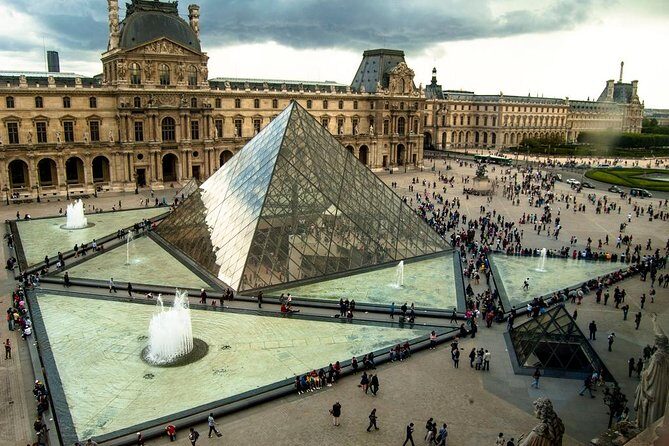
You begin at the Cour Napoléon area, at/near the Louvre Pyramid, specifically by the Louis XIV sous les traits de Marcus Curtius (copie) point. From there, the goal is simple: reduce chaos immediately.
I like this start because it gives you a mental map early. The Louvre is huge, and “figuring it out later” is how people accidentally waste an hour. Starting at the Pyramid zone means you’re in the museum’s core layout from the first steps.
Possible drawback: if you’re very late, you’re likely to miss the window that helps you skip long lines. Build in real buffer time around your pickup and arrival.
2) The medieval fortress and the museum’s layered power
One of the most interesting things about the Louvre is that it isn’t just a building filled with art. It used to be a fortress. When your guide points out the medieval fortress context, you’re able to see why the Louvre feels like a “complex with chapters,” not a single gallery.
This part works well if you like history that has physical roots. You start to notice how the museum’s structure relates to its changing role—from stronghold to royal palace to public collection.
If your tastes lean heavily toward painting only, this section might feel like a pause. But even then, it usually helps you understand why certain spaces and themes show up repeatedly across the collection.
3) Greek antique statues: learning to look, not just identify
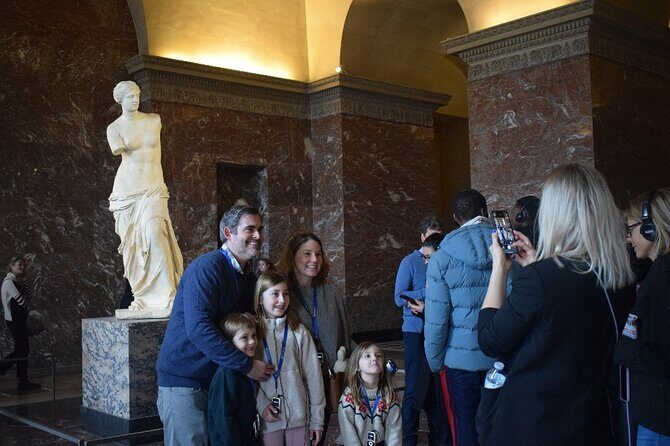
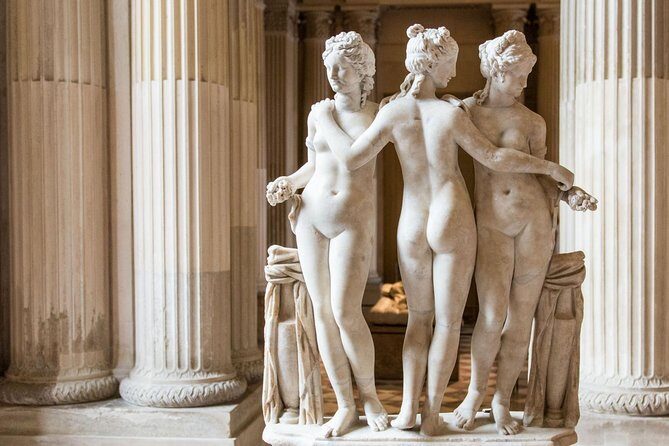
Classical sculpture can be intimidating if you expect it to come with clear labels explaining everything. In this tour flow, the Greek antique statues are used as a way to teach what to notice: form, proportion, and how ancient art influenced later European artists.
This is where a strong guide changes your experience. Instead of treating statues like background “decor,” you start seeing them as models of beauty, politics, and craft.
Tip: if you’re not a museum person, this is a good place to slow down. Set your expectation to look for details instead of trying to “finish” the room.
4) Italian Renaissance paintings: why they matter in the Louvre’s story
Italian Renaissance works in the Louvre aren’t just masterpieces—they’re evidence of how tastes and ideas moved across Europe. Your guide can connect this to the broader narrative of the museum, so you don’t just see famous names. You understand what changed and why.
If you’re hoping for the Mona Lisa experience: your guide will generally steer you toward the museum highlights. Even when you’ve seen photos a hundred times, it can still feel different in person—especially when you’re not stuck in a wall of people trying to get a glimpse.
5) French masterpieces of the 1800s: when art starts talking back
The 1800s section is where many visitors realize the Louvre isn’t only about the distant past. France’s 1800s art can feel emotionally closer, with technique and themes that connect to modern sensibilities.
This portion often helps people who came for a few famous works expand their interest without feeling lost. You see a range, and your guide can point out how the Louvre’s collection tells a national story as well as an art history one.
6) Marly & Puget courtyards: art history beyond the paintings
Courtyards are easy to overlook in a “paintings-only” plan. That’s why this stop matters. These spaces let you feel the museum as a place with atmosphere, not just walls lined with canvases.
In practical terms, courtyards also give you a break from crowds and gallery density. If you’ve had a long day in Paris, this kind of pacing can be the difference between “I saw it” and “I enjoyed it.”
7) Napoleon’s Apartments: power, design, and symbolism
Royal spaces are often the part people remember most—not because they’re always the most famous, but because they’re the most human. Napoleon’s Apartments bring the Louvre’s political history into focus through design and atmosphere.
If you like stories with characters and consequences, this section tends to land well. It makes the museum feel like more than a storage room for genius. It feels like a seat of power.
What the private guide really changes

The headline is “private tour,” but what you actually get is control. You can steer the visit. You’re not stuck with a pre-written path that ignores your interests.
The strongest praise shows up again and again in the way guides connect art to history and make the timeline make sense. Examples from recent experiences include:
- Romain bringing history and the arts alive, including guiding a family with four boys through major highlights
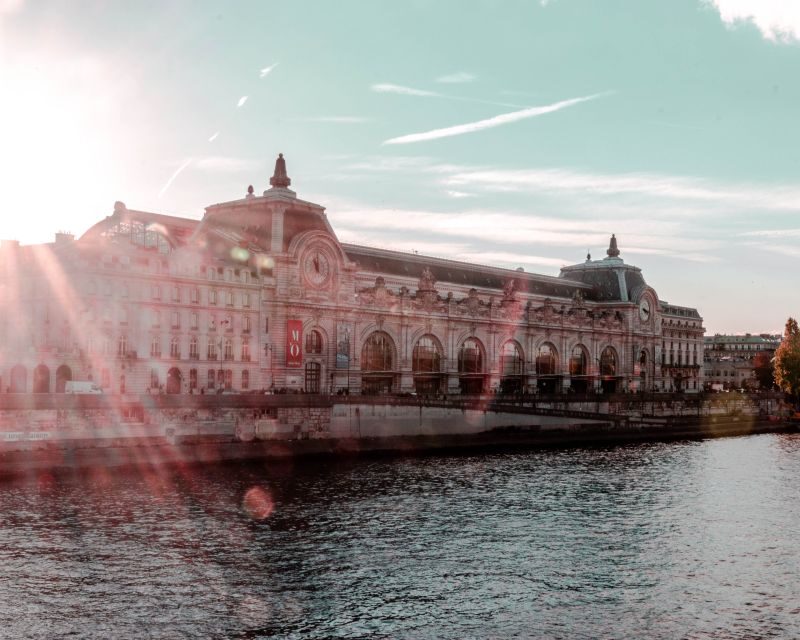
- Elliott using a coherent timeline and connecting the Louvre visit to the idea of continuing the story at d’Orsay
- Alexandre weaving French royal history and the Louvre’s architecture into the artworks
- Marc delivering standout storytelling with fast-line access that lets you get in quickly and enjoy the museum’s early momentum
- Laura delivering a very educational, child-friendly feel focused on the collection and museum history
Even without naming your guide in advance, the important takeaway is this: you’re paying for interpretation. You’re not just buying entry.
Price and value: is $360.84 per person worth it?
For many travelers, the biggest question is cost. At $360.84 per person, this isn’t a budget move. But value in the Louvre isn’t only about ticket access. It’s about time, focus, and getting something out of a museum that can easily overwhelm you.
Here’s how the math often works in real life:
- Skip-the-line priority saves you time you can spend looking, not waiting.
- Private guiding means you’re not stuck with the average interests of a larger group.
- A timed route helps you see more of what matters without turning your day into a “museum marathon.”
If you’re the kind of traveler who enjoys learning, likes structure, and wants to feel confident you didn’t miss the big stuff, the price often feels justified. If you’re purely happy wandering at your own pace and you already know exactly what you want to see, you might decide to self-tour instead.
Practical logistics you’ll be glad you considered
Timing and pacing
A 2 hours 30 minutes visit is tight enough to be energetic, but not so short that you feel robbed. If you want a deeply slow and detailed look at just one masterpiece, you may want to treat the tour as a “get oriented” experience and then return later on your own.
English guidance
This is offered in English, which helps with nuance. Art history meaning often lives in the small explanations, not just the labels.
Your end-of-tour options
At the end, you can either head out with your guide or stay a bit longer to see other departments. That flexible wrap-up is useful if you realize you want more of one track after the tour starts clicking.
Getting there
The meeting point is in a central, easily reachable area—near public transportation. Paris transfers are often the real time sink, so choosing a tour that starts in a core zone helps.
Who this Louvre private tour is best for
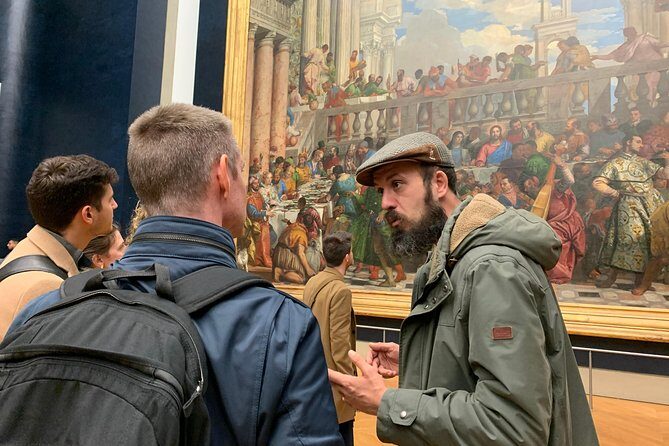
You’ll likely be happiest with this tour if you:
- want priority entry and hate queues
- prefer a structured, curated route without missing key eras
- travel with kids (a guide experience here has been praised specifically for engaging families)
- want to ask questions and adjust the focus as you go
- are visiting once and want a strong “greatest hits” plus context
If you’re traveling solo and you love quiet wandering, you might prefer audio + self-guided. But if you care about coherence and getting more meaning per minute, a private guide is a strong fit.
Should you book this Louvre priority access private tour?
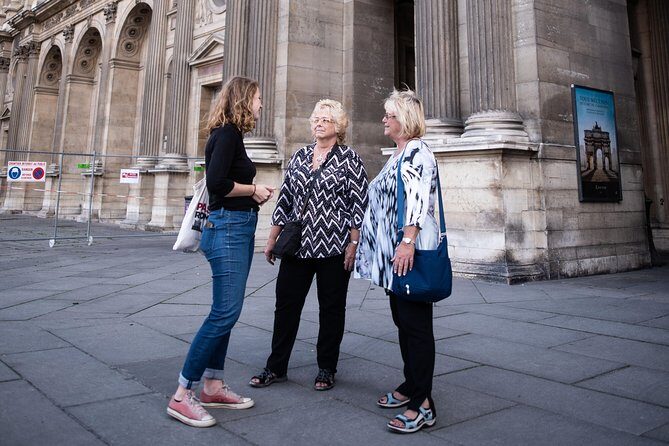
Book it if you want your Louvre time to feel efficient and meaningful. The combination of priority access, a dedicated local guide, and a route that connects major collection areas is exactly how you turn a huge museum into a satisfying plan.
Skip it (or reconsider) if you’re on a tight budget, you don’t want guided interpretation, or you prefer a slow drift through galleries with no structure. In that case, you might get enough value from entering with standard tickets and spending your time your way.
If this is your first Louvre visit, or your only real chance this trip, I’d lean toward booking. The Louvre rewards you most when you arrive with a plan—and this tour helps you build one quickly.
FAQ
How long is the Louvre private tour?
It runs about 2 hours 30 minutes.
Is this a private tour?
Yes. It’s a private experience, so only your group participates.
What language is the tour offered in?
The tour is offered in English.
What’s included in the price?
You get a local expert guide and reserved/dedicated access. The admission ticket is included for the tour.
Where do we meet for the tour?
You meet at Louis XIV sous les traits de Marcus Curtius (copie), Cour Napoléon et Pyramide du Louvre, 75001 Paris, France.
Can we choose what to focus on during the tour?
Yes. You can tell your guide what specific pieces or areas interest you, and the tour is tailored to you.
What is the cancellation policy?
You can cancel for a full refund up to 24 hours before the experience starts. If you cancel less than 24 hours before, the amount you paid is not refunded.