REVIEW · PARIS
Paris Louvre Museum Must-Sees Guided Tour
Book on Viator →Operated by Memories France · Bookable on Viator
Two hours to tame the Louvre’s chaos. This quick, English-language guided sprint focuses on the paintings and sculptures that define the museum, with reserved time entry so you spend less time stuck in line and more time looking. I also like the way the guide adds story context while you use headsets, so the details land even in a crowd.
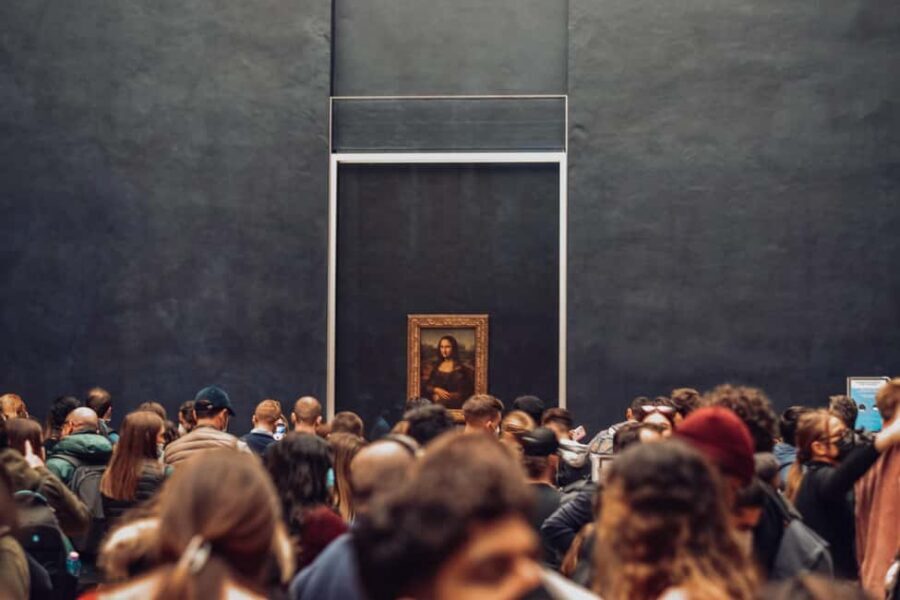
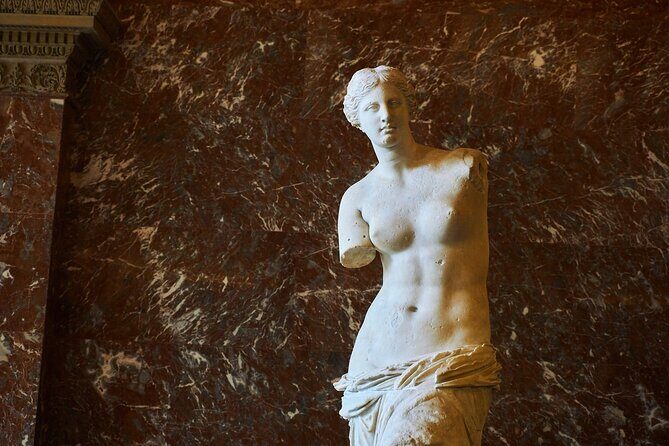
I love that the route is built around iconic works like the Mona Lisa, Venus de Milo, and Winged Victory, then expands into major eras (ancient Egypt, Greece, Rome, and 19th-century French painting). A second win is the small-group feel, capped at 20 people, which keeps the pace controlled instead of turning the experience into a shuffle contest.
The main drawback to expect is the obvious one: the Louvre is huge, so this tour only covers a slice. If you have a very specific obsession (say, one artist, one style, or one wing), you’ll still want time afterward to wander on your own.
In This Review
- Key things I’d pencil into your plan
- Why this Louvre highlights tour makes sense for first-timers
- Getting to the meeting point and staying on track
- Reserved entry, headsets, and why it feels easier than going alone
- Stop 1: Mona Lisa, Venus de Milo, and the Louvre as a former royal palace
- Stop 2 near the Louvre Pyramid: going from Greece and Rome to French painting
- The route, the pace, and what “small group” actually changes
- Price and value: is about $96.67 worth it?
- Who should book this tour, and who should plan differently
- After the tour: how to use your remaining Louvre time well
- Should you book? My decision guide
- FAQ
- How long is the Louvre highlights tour?
- Is the tour offered in English?
- Is the Louvre admission ticket included?
- What are some of the key artworks included?
- Where do you meet, and where does the tour end?
- Are headsets provided?
- What’s the group size?
- Can I cancel if my plans change?
Key things I’d pencil into your plan
- Reserved time entry helps you dodge the worst of the waiting and get to the art faster
- Headsets included mean you can hear the guide clearly without leaning in all the time
- Top works in one run: Mona Lisa, Venus de Milo, Winged Victory, plus others you might miss alone
- A small group (max 20) keeps movement practical instead of chaotic
- Stops tied to the Louvre’s layout help you see key areas without trying to memorize the museum map
Why this Louvre highlights tour makes sense for first-timers
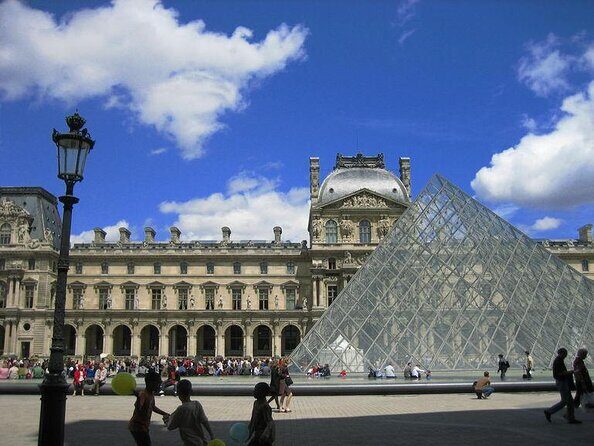
The Louvre can overwhelm fast. It’s not just big; it’s big in a way that makes you second-guess your choices every ten minutes. This tour is designed to solve that problem with a short, structured path through the highlights.
At about 2 hours, you’ll get a concentrated hit of the museum’s best-known masterpieces without needing to research floor plans in advance. You’ll also get the kind of context that turns a famous artwork from “I’ve seen it online” into something you understand in the room.
One extra value point: this is a reserved-time visit. That matters because timing is everything at the Louvre, and saved time often translates directly into seeing more.
Other guided Louvre Museum tours in Paris



Getting to the meeting point and staying on track

You meet at Arc de Triomphe du Carrousel (Pl. du Carrousel, 75001), and the tour ends inside the Louvre. That end point is practical: you’re already in the building when the tour finishes, so you can keep going without retracing steps.
A tip worth taking seriously: taxis can be slow to find and traffic can be painful in Paris. If you’re using a ride-hail or taxi, give yourself extra buffer so you don’t arrive stressed. And double-check you’re at Arc de Triomphe du Carrousel, not the wider area around other triumphal-arch locations.
Because you’re walking a reasonable amount, comfortable shoes are non-negotiable. The Louvre’s floors and crowds don’t reward fashion choices here.
Reserved entry, headsets, and why it feels easier than going alone
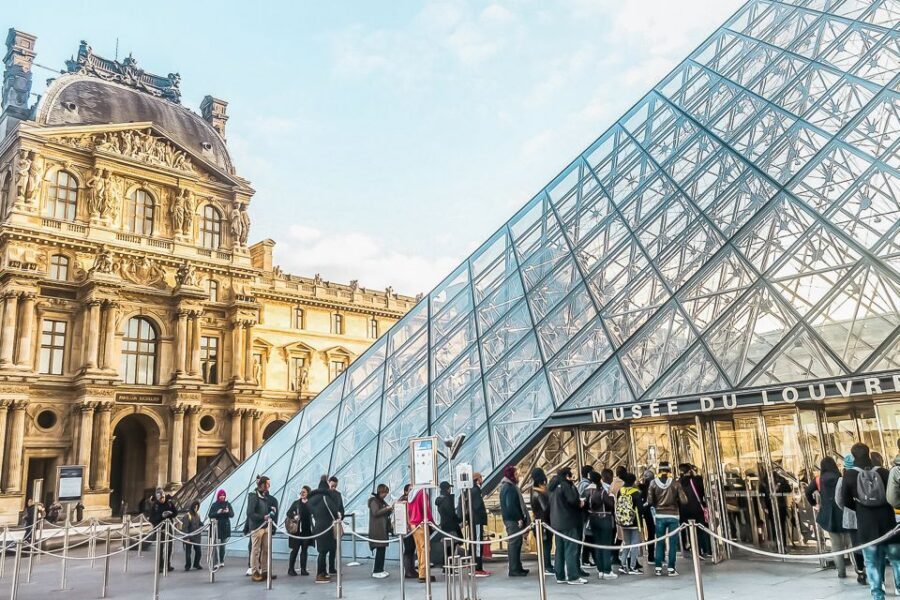
This tour includes the museum admission ticket (listed as €28 for adults) and uses reserved time entry. The real benefit isn’t just access—it’s momentum. You avoid the slow start that often drains energy before you’ve even reached the first big room.
The tour also provides headsets, which is a big deal in a museum full of noise. When you can clearly hear the guide, you can actually follow the story instead of guessing what matters while trying not to get separated.
One more small-group advantage: with up to 20 people, the guide can keep an eye on the group and adjust pacing. Some guides in this program have a reputation for staying organized and keeping people together, including names like Julie, Matt, Anthony, Claire, John, William, and Stanislaus.
Stop 1: Mona Lisa, Venus de Milo, and the Louvre as a former royal palace

Stop 1 is where the tour does its “greatest hits” work. In about one hour, you’ll move through the Louvre focusing on the most famous works and major themes, including Mona Lisa, Venus de Milo, and the Winged Victory.
What makes this stop special is the blend of close-looking and storytelling. You’re not just pointed at famous art; you’re guided through why these pieces became icons, and how artists and eras shaped what you’re seeing. The tour also touches several major collections, including Italian Renaissance works, ancient Egypt, Greece, and Rome, and 19th-century French painting.
There’s also an angle that helps you understand the Louvre beyond the art: you’ll learn that the museum was once a royal palace. Walking through the museum’s grand corridors with that in mind changes the vibe. Instead of thinking of it as one giant gallery, it starts to feel like a palace converted into an art vault.
A practical note: you may also get a chance to see areas like the basement/palace remains and other spots people often miss if they only follow the most obvious routes. That kind of stop can be a nice payoff if you’re the type who likes seeing how the museum is built, not just what’s on the walls.
Stop 2 near the Louvre Pyramid: going from Greece and Rome to French painting
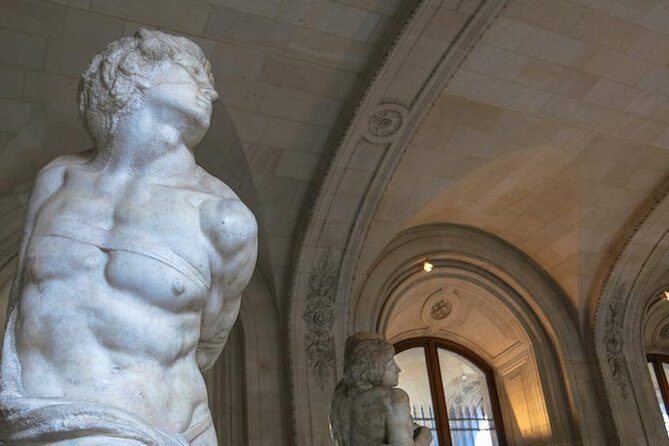
Stop 2 brings you into a second hour of highlights with the Pyramide du Louvre area serving as a key orientation point. The big goal here is simple: keep connecting masterpieces to context so the museum doesn’t feel like random rooms of famous names.
This part of the tour emphasizes the bigger sweep of the collection—again across ancient cultures and later European art. You’ll continue with the kinds of themes the Louvre is famous for: classical heritage (Greece and Rome), ancient civilizations (including Egypt), and later French works from the 1800s.
In a museum this large, the value of Stop 2 is that it builds on what you saw first. You’re less likely to drift because the guide keeps the route moving and helps you understand what you’re looking at as you travel from artwork to artwork.
If you want a quick strategy for after the tour, this is a good point to start thinking about what you want to revisit. The tour’s format tends to leave you with a shortlist of favorites, which is exactly what you need when you go wander independently.
Other Louvre masterpieces and highlights tours in Paris






The route, the pace, and what “small group” actually changes
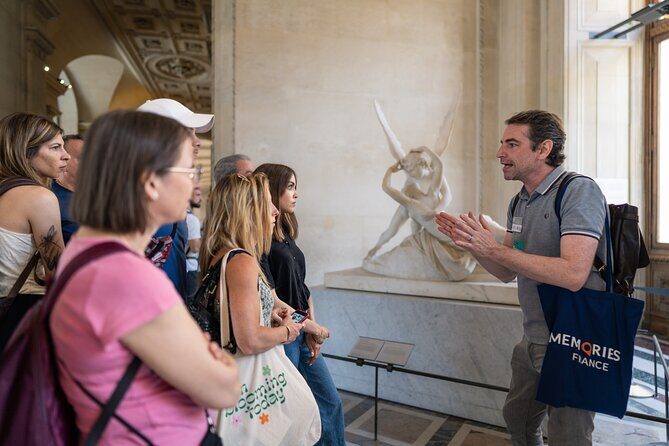
At up to 20 people, this is one of those “you can keep up” tours instead of a slow-moving crowd. That matters because the Louvre punishes delays. If people spread out too far, it turns into herding and you lose time.
A faster pace also helps you enjoy the highlights without exhausting yourself. You’re aiming for big rooms and key masterpieces, not a marathon through eight miles of galleries.
The crowd level can still affect timing. There was at least one case where a public disruption caused the tour to run later, and the guide worked to keep things efficient. The point for you: plan your day with a little buffer so a delay doesn’t blow up your whole schedule.
Price and value: is about $96.67 worth it?
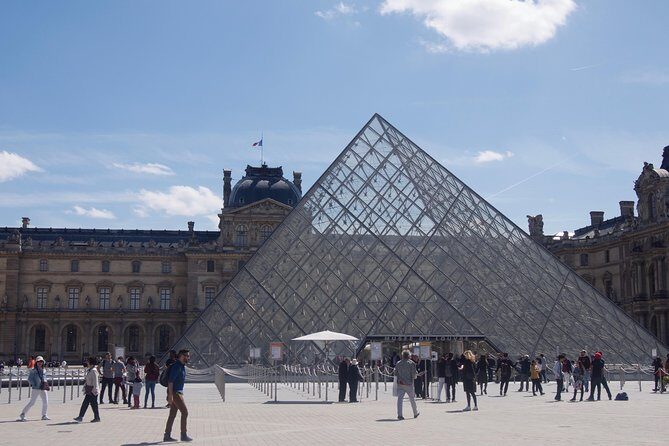
At $96.67 per person, you’re paying for more than just the museum ticket. The tour bundles:
- an adult admission ticket (listed as €28),
- a trained guide to direct your attention to what matters,
- reserved time entry (time saved at the Louvre is real money in vacation hours),
- and headsets so you don’t miss the explanation.
If you were to go independently, you’d still face line management, decision fatigue, and figuring out where the real “must-sees” are in this specific building. Most people don’t mind spending time looking at art; they mind spending time figuring out where to look next. This tour spends your energy on looking.
Is it the cheapest option? No. But it’s a strong value if you care about seeing the Louvre efficiently and leaving with understanding, not just photos.
Also, this tour is often booked well ahead—about 40 days on average. If you want a specific time slot (especially mornings), reserve early.
Who should book this tour, and who should plan differently
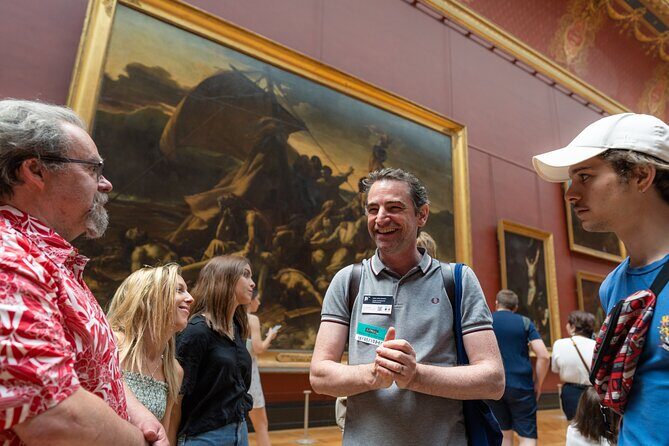
This tour is a great match if:
- it’s your first visit and you want the “best of” quickly,
- you’re traveling with someone who gets tired in long museum sessions,
- you want a guided intro so you can navigate later on your own.
It can be less ideal if:
- you’re deep into one niche (only one school, one artist, one medium),
- you prefer to set your own pace room by room,
- you’re planning to spend most of the day in the Louvre and don’t want a guided structure.
The tour format is also family-friendly in the sense that it’s short and structured. One highlight from the experience details is praise for pacing that worked well for kids around school age, especially earlier time slots.
After the tour: how to use your remaining Louvre time well
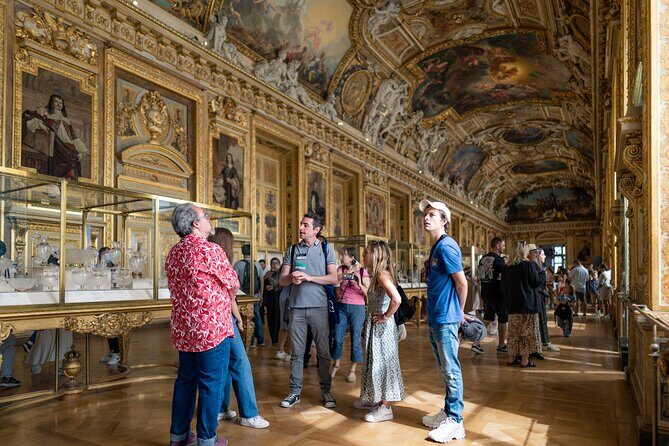
The best move after you finish inside the museum is to turn your guide’s route into a plan. Pick 2–4 works you want to see again at your own speed, and then branch out from there.
If you want to avoid getting lost in the labyrinth, focus on staying in the flow of the museum layout rather than trying to cut across wherever seems fastest. When you follow the logic the guide uses, you’re more likely to keep finding meaningful rooms instead of backtracking.
If you’ve got the energy, go back to the areas connected to what you liked most—whether that’s classical sculpture, Renaissance painting, or later French art. This tour gives you that starting map.
Should you book? My decision guide
Yes, I’d book this tour if you want a smart, time-efficient way to experience the Louvre’s headline works with clear narration through headsets, and you don’t want to spend your morning playing museum navigator.
I’d skip or consider a different approach if you already know exactly what you want and you hate group pace. Also, if you’re the type who needs hours of slow looking, treat this as an introduction—not the whole Louvre.
For most first-timers, this is one of the easiest ways to feel confident inside the museum and then enjoy the rest of your visit on your own.
FAQ
How long is the Louvre highlights tour?
It’s about 2 hours total.
Is the tour offered in English?
Yes, the tour is offered in English.
Is the Louvre admission ticket included?
Yes. The tour includes an admission ticket (listed as €28 for adults).
What are some of the key artworks included?
You’ll see major highlights such as the Mona Lisa and Venus de Milo, plus the Winged Victory.
Where do you meet, and where does the tour end?
You meet at Arc de Triomphe du Carrousel and the tour ends inside the Louvre Museum.
Are headsets provided?
Yes. Headsets are included so you can hear your guide.
What’s the group size?
The tour has a maximum of 20 travelers.
Can I cancel if my plans change?
You can cancel up to 24 hours prior to the experience start time for a full refund.