REVIEW · PARIS
Paris: Louvre Museum Skip-The-Line Tour
Book on GetYourGuide →Operated by Paris in person private tours · Bookable on GetYourGuide
That first step into the Louvre can feel like a trapdoor. This skip-the-line Louvre tour turns it into a short, focused art sprint, with clear stops like Botticelli and the Nike of Samothrace. I really like the way the route connects themes across periods, not just random must-sees, and I love the historical perspective—how artists handled things like light and the look of the sun. The one possible drawback is simple: 2 hours is fast, so you will not see everything.
What makes it work is the structure. You get a guided tour built around three big swings—Renaissance, Neoclassicism, and Romanticism—while still pointing you toward major masterpieces (from ancient Greek sculpture to 19th-century political drama). If you’re hoping for long, slow wandering in every wing, you might feel a little rushed.
The good news: this is a private group, and the guide-led pace helps even when the museum feels huge. Expect to hear thoughtful explanations in English, French, or Serbo-Croatian, and to spend your time on the works that best tell the story of how ideas changed.
In This Review
- Key points at a glance
- Meeting at Arc du Triomphe du Carrousel and Getting In Fast
- Why This 2-Hour Plan Fits the Louvre’s Reality
- Entering the Renaissance and Neoclassical Story of the Louvre
- Botticelli’s Fresco and the Early Renaissance Turn Toward Humanism
- Mantegna’s Saint Sebastian: Florentine Intensity, Up Close
- Bellini’s Venetian Paintings: A Different Kind of Beauty
- Leonardo, Veronese, and the Louvre’s Painting Power
- Romanticism in Paris: Raft of the Medusa and Political Art
- The Big Salon Names: Ingres and Jacques-Louis David
- What the Guide Adds (And Why the Praise Isn’t Random)
- What You’ll Miss (So You Don’t Feel Shortchanged)
- Practical Tips: Make the 2 Hours Feel Like a Win
- Should You Book This Louvre Skip-the-Line Tour?
Key points at a glance
- Skip-the-line entry so you spend your energy inside the museum
- Focused periods: early Renaissance through Neoclassicism and Romanticism
- Signature masterpieces you’ll likely want on a shortlist anyway
- Guide-led meaning, not just name-and-date art facts
- Works across regions: Florentine, Venetian, and later French painting
- Private-group pace that can feel easier to manage in a big building
Meeting at Arc du Triomphe du Carrousel and Getting In Fast
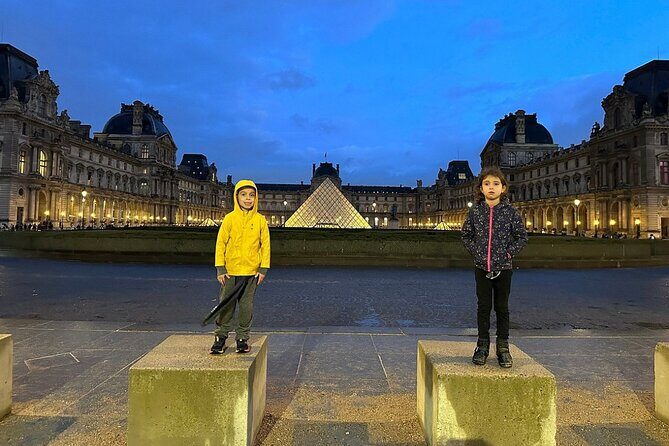
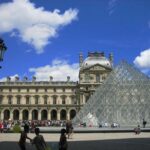
Your tour starts with a simple, clear rendezvous: meet at the Arc de Triomphe du Carrousel, and your guide will be carrying a red tote canvas bag. That matters more than it sounds. In a place like the Louvre, a clean meeting point saves you from stress, and it sets you up to walk in when lines are at their worst.
Once you’re in, the big practical win is the skip-the-line entrance ticket. The Louvre’s crowds are real. Skipping the ticket queue doesn’t make the museum empty, but it does remove one of the most annoying waits. In a 2-hour experience, “saved time” is the difference between seeing highlights and burning your schedule in a bottleneck.
This is also a rain-or-shine tour, so you’ll want to be ready for whatever the sky throws at you that day. The good part: since the plan stays on schedule, your visit doesn’t become a gamble.
Other skip-the-line Louvre tickets in Paris

Why This 2-Hour Plan Fits the Louvre’s Reality
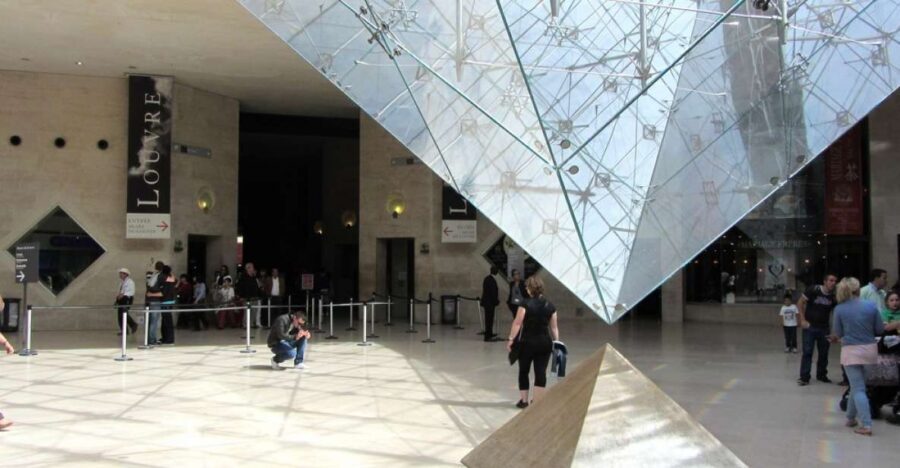
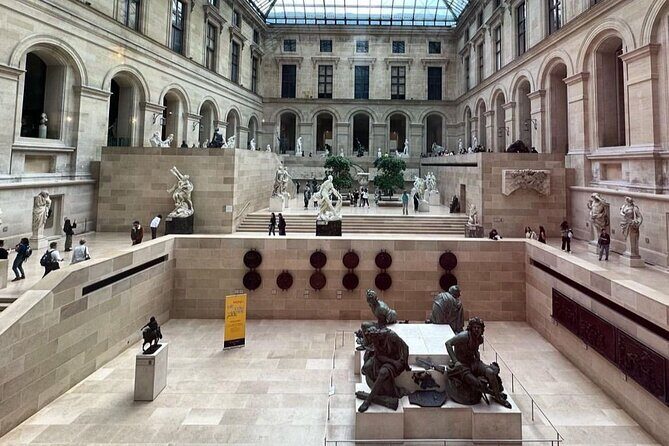
The Louvre is enormous, and it can trick your brain into thinking you need a full day. You don’t. If you only have a morning or afternoon, the value of this tour is that it gives you a shaped path through the museum’s most story-rich eras.
The tour concentrates on three periods:
- Renaissance (including the early shift toward Humanism)
- Neoclassicism
- Romanticism
That focus does two useful things for you. First, it prevents the “I saw a lot of paintings but understood nothing” problem. Second, it gives you a framework for remembering what you saw. When you walk away, you’re not just holding a photo memory—you’ve got a mental map of how art changed.
The time tradeoff is obvious: 2 hours moves quickly. You’ll see a concentrated set of works, not every top highlight you might dream about. Think of this as a guided “greatest hits + meaning” stop, not a full Louvre education.
Entering the Renaissance and Neoclassical Story of the Louvre
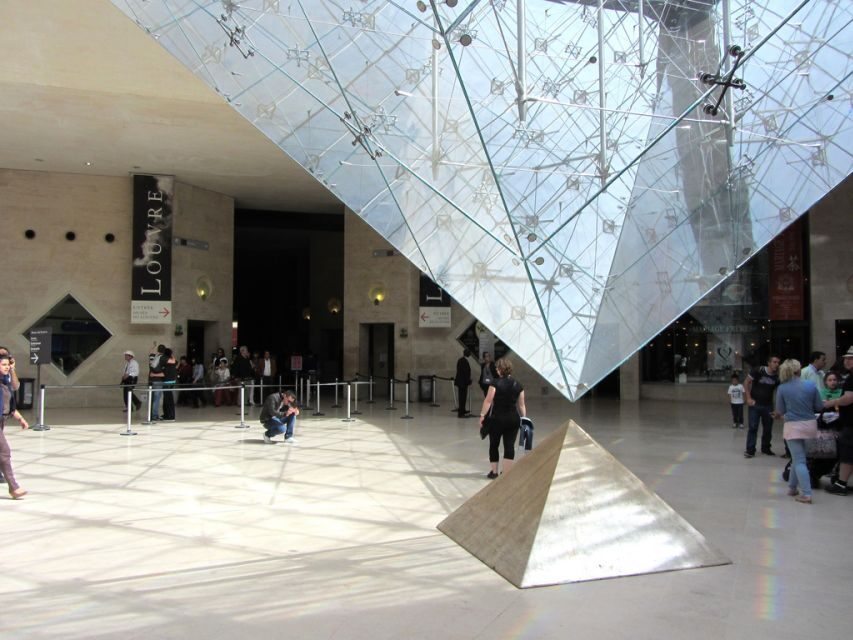
When the tour moves from room to room, it’s doing something clever: it uses masterpieces as stepping-stones for bigger ideas. You’re not just looking at finished paintings and sculptures—you’re learning what was happening in thinking and taste as Europe shifted from medieval focus toward classical ideals, then later toward new emotional storytelling.
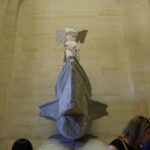
A standout anchor is the statue of the Nike of Samothrace, a 2nd-century BC marble sculpture of the Greek goddess Nike (Victory). Even if you’re not a sculpture person, this is the kind of artwork that teaches you how the Louvre’s range works. You’re seeing the museum’s ancient power right alongside later European art that borrowed from the classical world.
Then the guide’s approach pulls you forward into the Renaissance and beyond. The museum stops being a warehouse of art and becomes a timeline you can follow.
Botticelli’s Fresco and the Early Renaissance Turn Toward Humanism
One of the tour’s signature moments is the fresco Venus and the Three Graces Presenting Gifts to a Young Woman by Botticelli. Frescoes like this are not just pretty. They’re part of a cultural shift: artists were aiming to make scenes feel more human, more readable, and more tied to classical mythology and ideals.
The tour also frames the early Renaissance as a bridge. You learn about the transition from the Medieval world into Humanism—a change in what people valued in art and in stories. That context helps you look past surface style and ask better questions: Why was the subject chosen? Why that gesture? Why that emotional tone?
If you love explanations that make the paintings feel like they belong to real people and real ideas, this is a strong match. And if you’re traveling with younger art-curious folks, the clear, paced guidance tends to help them stay with the big picture instead of getting lost in details.
Mantegna’s Saint Sebastian: Florentine Intensity, Up Close
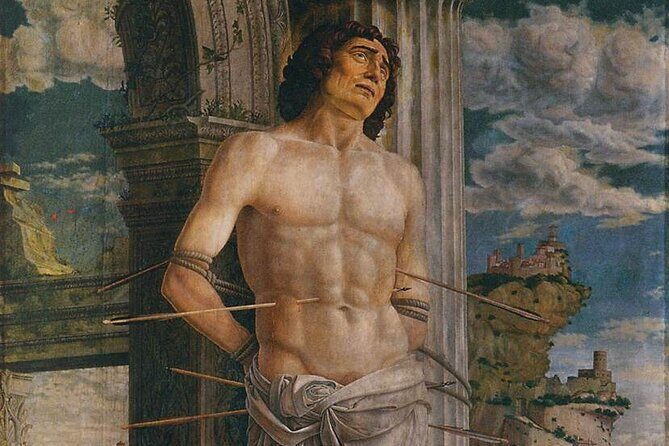
Another highlight in the Renaissance focus is Mantegna’s Saint Sebastian. Mantegna is a name you’ll see if you start reading about early Renaissance art, but what matters for your visit is the specific kind of attention his work demands. Saint Sebastian as a subject gives the guide room to talk about devotion, suffering, and the way Renaissance artists handled anatomy and expression.
What I like about tours that include a work like this is that it trains your eye. Even in a fast visit, you start noticing how painters and sculptors build emotion—through posture, through contrast, and through how bodies are arranged in a scene.
Also, the value here is balance. The tour doesn’t pin everything on one region or one style. You get Florentine strengths (like Mantegna’s) and then later Venetian voices.
Other museum experiences in Paris
Bellini’s Venetian Paintings: A Different Kind of Beauty
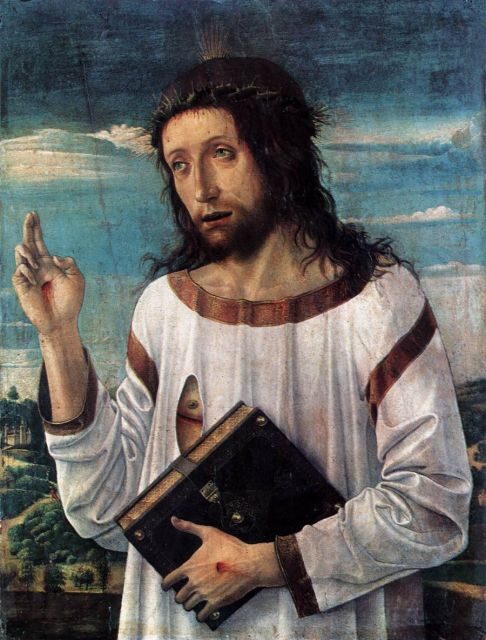
You’ll also see Bellini’s Venetian paintings. That’s a big deal if you’re the kind of traveler who likes to compare how different Italian centers expressed ideas. Venice had its own visual language—softness, color, atmosphere, and a strong sense of what painting could do with light.
Even if you don’t know Bellini’s work deeply, having the guide connect Venetian qualities to the bigger Renaissance story helps. You start seeing style as a regional dialect, not random artistic variation.
This kind of contrast is one of the reasons a guided highlight tour can feel more satisfying than wandering alone. The guide helps you notice differences that you might otherwise miss while speed-walking between rooms.
Leonardo, Veronese, and the Louvre’s Painting Power
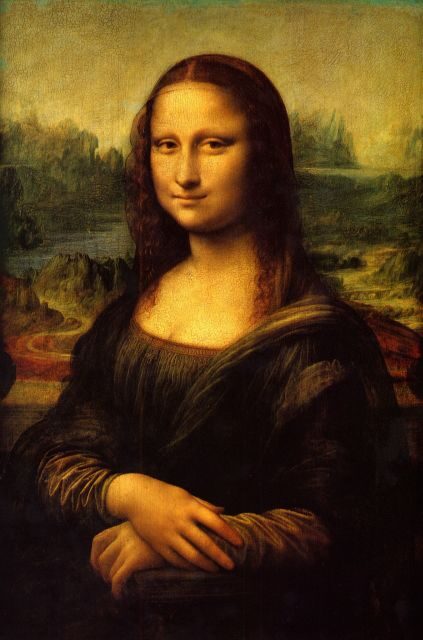
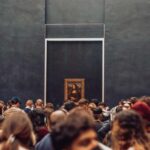
The tour highlights include Leonardo da Vinci’s Mona Lisa. The practical truth: you’ll still experience the famous “I can’t believe this is real” feeling, but the benefit of a guided stop is that you’re not only waiting for your turn to look. You’re hearing a framework that keeps your attention on what makes the work historically important and how it fits into Renaissance aims.
You’ll also see Veronese’s Marriage at Cana, described as the largest painting in the Louvre. Size changes how you look. If you try to do this alone without a plan, it’s easy to stare at a crowd scene without understanding why it hits so hard. With a guide, you’re more likely to track composition and storytelling—how Veronese fills space, directs your eye, and builds drama through arrangement.
If you care about the “why” behind famous paintings, this is where the tour’s value shows.
Romanticism in Paris: Raft of the Medusa and Political Art
The tour doesn’t stop at Renaissance and Neoclassicism. It jumps into Romanticism, and you’ll see works that feel like they’re reacting to the world, not just reenacting classical stories.
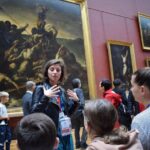
One major stop is Géricault’s Raft of the Medusa. This painting is famous for its raw emotion and its sense of urgency. The Romanticism label isn’t just a style tag. It signals that artists were leaning toward drama, human feeling, and shockingly direct storytelling.
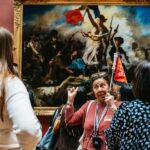
Then comes the 19th-century political jolt: Delacroix’s Liberty Leading the People, commemorating the July Revolution of 1830. This is one of those paintings that makes you understand that history and art are often linked at the hip. The guide helps you see how the political idea becomes imagery—figures, symbols, and movement.
The Big Salon Names: Ingres and Jacques-Louis David
After Romanticism, the tour keeps shaking things up with French giants.
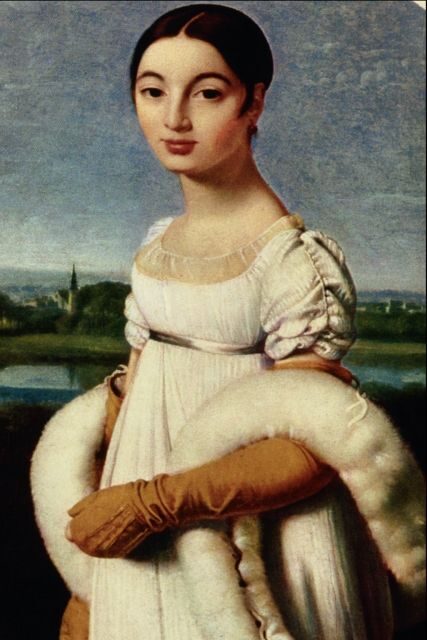
You’ll see Ingres’s Une Odalisque, a sinuous nude that shows how Neoclassical and later tastes shaped ideas of beauty, pose, and sensuality. Even if you’re a little cautious about nude art, the guide context helps you understand what was being celebrated—and what kind of viewer experience the artists were designing.
Then you’ll move to Jacques-Louis David, including The Oath of the Horatii and Crowning of Napoleon. David is a master of turning ideas into clear, dramatic form. With him, you don’t just look—you read the image. Composition becomes argument.
If you like art that feels like it has a thesis statement, David’s works are exactly the right ending tone for this kind of highlight tour.
What the Guide Adds (And Why the Praise Isn’t Random)
The most praised aspect of this tour is the guide’s teaching style. Clear explanations, strong historical context, and a pace that keeps you from wandering aimlessly are the difference between seeing famous works and actually learning how to look at them.
One guide example that stands out is Boris, who’s noted for bringing a strong historical perspective—especially how he connects the depiction of the sun and light in art. That’s not just trivia. It changes how you view paintings afterward. You start noticing how artists handle highlights, shadows, and mood.
Another theme in the feedback: guides are attentive and accommodating, including when families bring teenagers. That matters. The Louvre can be hard for teens because the format is too free-form. A guided route with a story thread helps them keep up.
And there’s also mention of customization to interests. In a 2-hour tour, customization is a big deal. It lets you trade a little less time on a less-interesting artwork for more time where you actually get pulled in.
What You’ll Miss (So You Don’t Feel Shortchanged)
This tour is a smart highlight walk, but it does have limits.
You’ll see masterpieces across Renaissance, Neoclassicism, and Romanticism, plus a few key anchor works like Nike of Samothrace and Mona Lisa. What you won’t get is a full sweep of the Louvre’s other worlds (like spending hours on ancient Egypt, for example). The guide concentrates on the eras that best tell the story of how European art evolved across centuries.
Also, 2 hours means you’re not going to read every label and linger for deep sketchbook-level study. This is about seeing and understanding enough to feel oriented.
If your ideal Louvre day includes slow wandering, long gallery time, and lots of second or third looks, you might prefer a longer private tour instead.
Practical Tips: Make the 2 Hours Feel Like a Win
A few practical things can make or break a short museum visit.
- Plan your energy: 2 hours inside a huge museum is still a lot of walking. Wear shoes you can trust.
- Limit big bags: oversize luggage isn’t allowed. Items exceeding 55x35x20 cm are not permitted in the museum. Keep what you bring simple.
- Go in with one or two priorities: this tour covers many famous names, but if there’s a specific work you care about most, tell the guide so you can spend your limited time well.
- Bring patience for crowds inside: skip-the-line helps with entry, but galleries still have visitors. A good guide helps you navigate that reality without losing the thread.
One more note: food and beverages are not included. If you’re visiting at a time when you’ll feel snacky, plan your meal timing around the tour. A museum visit works better when you’re not thinking about hunger every ten minutes.
Should You Book This Louvre Skip-the-Line Tour?
You should book this tour if you want a high-signal Louvre experience in a short window. It’s especially worth it if you like art with context—Renaissance ideas, the Humanism shift, and the later drama of Romanticism—plus you want the convenience of skip-the-line entry.
It’s a good fit for first-time Louvre visitors who feel overwhelmed, families who want structure (including teenagers), and anyone who likes comparing styles across regions and periods—Florentine intensity next to Venetian painting, then French Romantic politics, then Neoclassical clarity.
Skip it only if your goal is a slow, do-everything Louvre day. With 2 hours, you’re choosing focus over completeness.
If you’re clear about what you want—great works, explained well, with a path you can follow—this is a strong value way to start your Louvre story.