REVIEW · PARIS
Louvre Museum Masterpieces Guided Tour
Book on Viator →Operated by Paris TRIP · Bookable on Viator
The Louvre can feel like a museum-shaped maze. This guided masterpieces tour is designed to get you to the key works fast, with a small group (max 6) so your guide can actually explain what you’re seeing and keep you moving.
What I like most is the focused route to the big hitters—Venus de Milo and the Nike of Samothrace—and the way the tour sets you up to explore the rest of the museum afterward without wandering aimlessly.
One thing to plan for: the visit involves a lot of walking and stairs, and it’s not wheelchair accessible.
In This Review
- Key things to know before you go
- A 2-hour Louvre highlights route that actually helps
- Meeting point at Librairie Delamain: easy start, central location
- The itinerary in real life: how the highlights unfold
- Stop 1: Louvre Museum orientation plus the masterpieces
- What the small-group format changes for you
- Skip-the-line admission: helpful, but still plan for crowd reality
- Where the value shows: included ticket + guided route
- Comfort and pacing: stairs, walking, and what to wear
- How the guide helps after the tour ends
- Best for who (and not who)
- Should you book the Louvre Masterpieces Guided Tour?
- FAQ
- FAQ
- How long is the Louvre Museum Masterpieces guided tour?
- What is the group size?
- Is the tour in English?
- Is the museum admission ticket included?
- Does the tour guarantee skip-the-line entry?
- Where do we meet for the tour?
- Where does the tour end?
- Is the tour wheelchair accessible?
- Are food and drinks included?
- Is this tour suitable for people with limited mobility?
- What is the cancellation policy?
Key things to know before you go
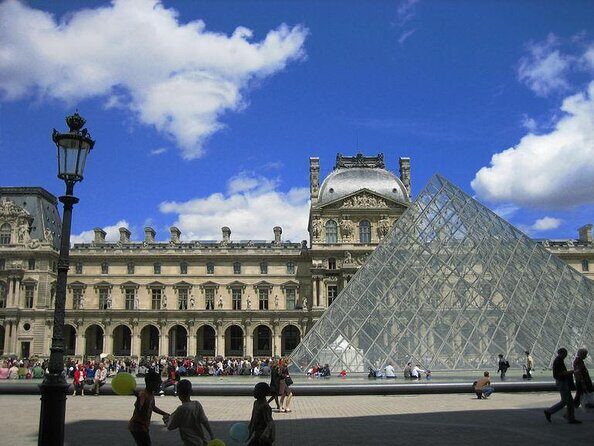
- Small-group size (max 6) keeps the experience personal and easier to navigate through crowds.
- Skip-the-line admission helps you avoid the worst of the usual entry bottlenecks.
- A tight 2-hour highlights plan means you hit the must-sees without losing a full day.
- The route is built around iconic works like Nike of Samothrace, Venus de Milo, and the Mona Lisa.
- Guides often help with viewing positions, which matters most around the Mona Lisa.
- After the tour, you get independent time, with guidance on what to see next.
A 2-hour Louvre highlights route that actually helps
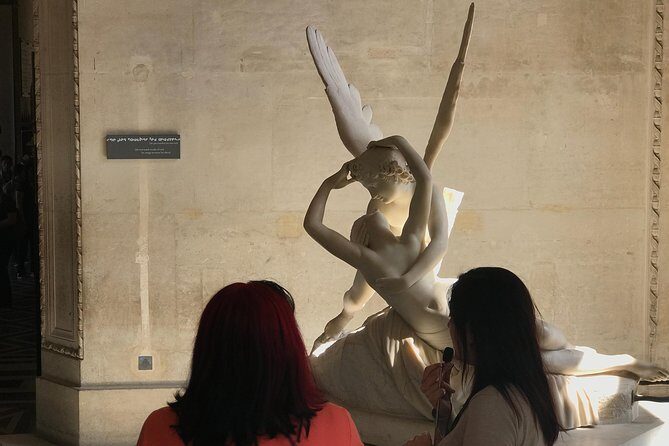
If you’ve ever looked at the Louvre floor plan and thought, I’ll never finish this, you’re exactly the target for this kind of tour. The museum is huge, and even seasoned art lovers can end up zig-zagging for hours. Here, your time is protected: you’ll see a compact set of masterpieces and leave with a clearer sense of where to go next.
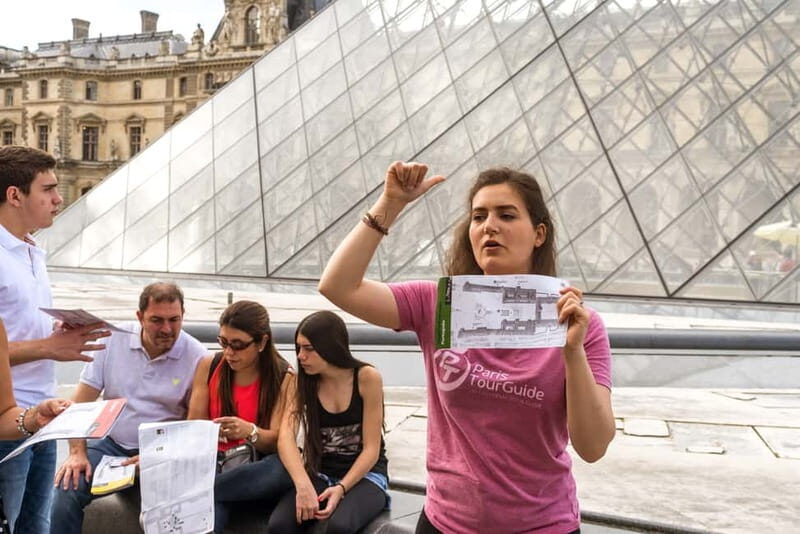
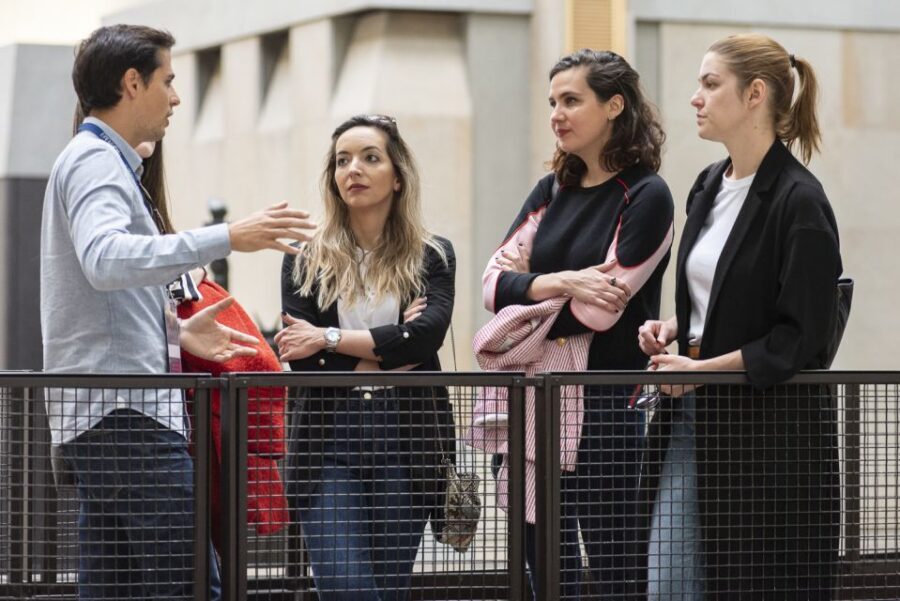
This is also a comfort play on a day when the Louvre is at full volume. A small group matters because you’re less likely to get swept into the crowd as a nameless piece of luggage. With a maximum of 6 people, your guide can keep track of the group’s pace and answer questions without the tour turning into a rushed slideshow.
Other guided Louvre Museum tours in Paris



Meeting point at Librairie Delamain: easy start, central location
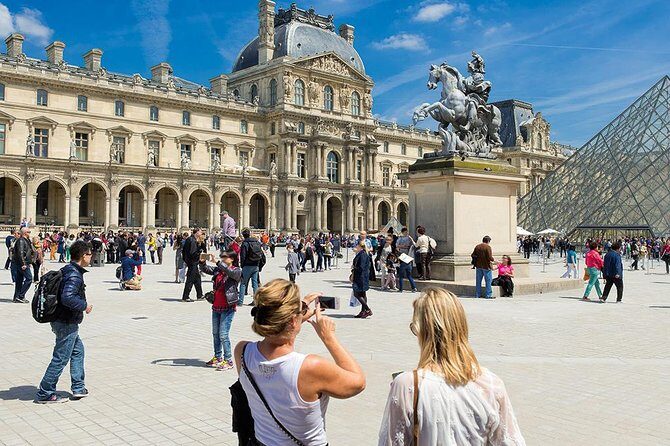
The tour starts at Librairie Delamain, 155 Rue Saint-Honoré, 75001 Paris. That location is handy because you’re already in the heart of central Paris, near major transit options. You’ll make your own way to the meeting point, and then the group links up with the guide near the museum entrance.
You can also think of the start as a pressure valve. The Louvre can drain energy fast before you even see art—lines, signage, confusing foot traffic. Having a clear meeting spot reduces that pre-museum stress, especially if it’s your first time there.
The itinerary in real life: how the highlights unfold
This tour lasts about 2 hours and includes your museum admission ticket (listed as a €28 entry ticket). It’s designed to move with the flow of the building while stopping at the works that most people want to see.
Stop 1: Louvre Museum orientation plus the masterpieces
You begin with a quick orientation and history as you walk toward the highlights. The Louvre’s story is part of the appeal—this place started as a fortress and evolved into a palace long before it became the museum you’re walking through today. Good guides turn that backstory into something you can feel when you’re surrounded by grand spaces and formal layouts.
Then you go to the big three-style route (plus a few extras in between), including:
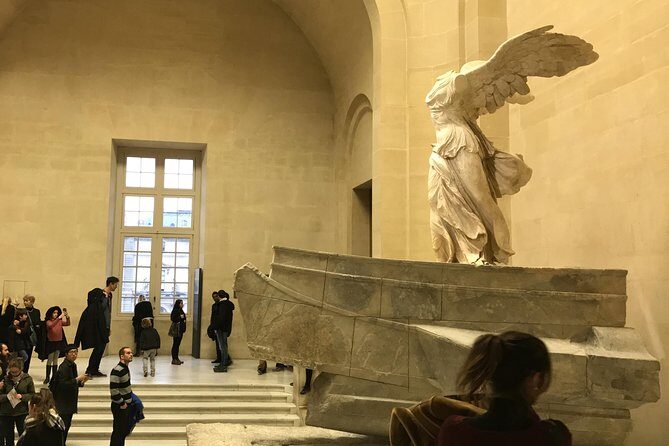
- Nike of Samothrace
You’ll stand at the foot of this towering sculpture. What makes it so dramatic is also what makes it hard to catch in a photo: the flowing cloak and the muscular figure look like they’re in motion, even though the statue is more than 2,000 years old.
- Venus de Milo
Venus is one of those works that feels instantly recognizable, even if you’ve only seen her in books. Your guide connects her fame to what survived from ancient Greece—and also to the story of how she was lost and later found on the island of Milos. That context helps you look longer, not just glance and move on.
- Mona Lisa
The Mona Lisa is the final magnet. The portrait often gets described as the most famous painting in the world for a reason: the crowd forms a ring around it, and it’s the most chaotic moment in most visits. Your guide explains what’s known and what remains a mystery about the portrait, which turns the experience from staring at a small image into understanding why people obsess over it.
After the highlights, you don’t feel trapped in a “tour only” format. You get independent time to visit more sections of the Louvre, and your guide can point you toward exhibits that fit your interests.
What the small-group format changes for you

In a museum as crowded as the Louvre, the difference between a good day and a frustrating one is often logistics, not art. This tour’s small-group size (max 6) is the practical reason you’ll get more out of the same 2 hours.
Here’s what that can mean on the ground:
- Your guide can help with timing and viewing positions, so you’re not stuck behind taller people the whole stop.
- You can ask questions without feeling like you’re interrupting a production line.
- The route can be paced for the group, which is especially useful when the museum gets slammed.
I also like that guides here tend to do more than recite facts. For example, I’ve seen guides praised for being great at keeping families engaged, including teenagers who didn’t plan to care about art but ended up asking questions anyway. You’re not just getting through the Louvre; you’re learning how to look at it while you’re there.
Other Louvre masterpieces and highlights tours in Paris






Skip-the-line admission: helpful, but still plan for crowd reality
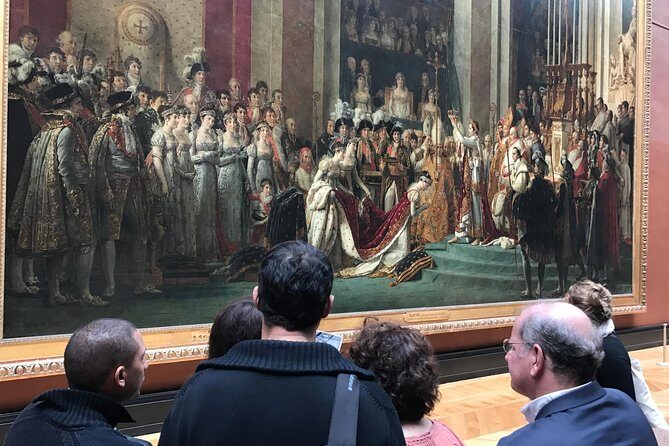
The tour is promoted with guaranteed skip-the-line admission for this popular attraction. That’s a big deal because the Louvre’s entry can be the most unpleasant part of the whole day.
Still, you should calibrate expectations for the rest of the museum. The highlights are also the most crowded spots. Even with faster entry, you may still find it hard to get close to the Mona Lisa at certain times. One day can be manageable; another day can be a constant moving wall of people.
Also, the museum can throw curveballs. One visitor described arriving during a strike, which delayed entry. Another said the skip-the-line benefit didn’t function as expected due to an entrance closure. These aren’t reasons to avoid the tour—just proof that the Louvre is a living system, not a sealed schedule.
My practical advice: if your goal is to maximize art time, go earlier in the day when you can. An early tour tends to feel calmer, and you’re more likely to enjoy the masterpieces without spending half your energy in crowd management.
Where the value shows: included ticket + guided route
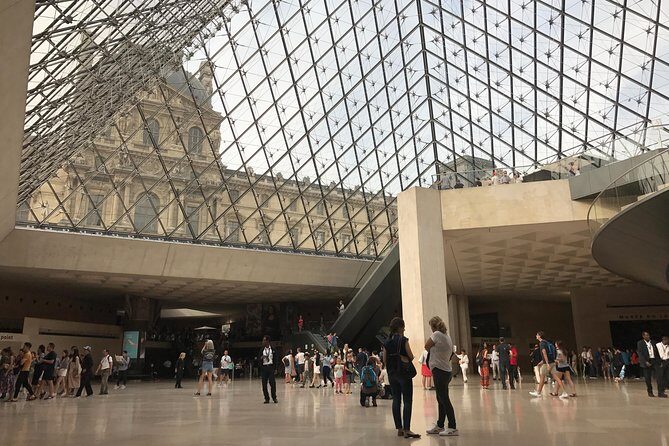
At $121.72 per person for a roughly 2-hour tour, the price isn’t “cheap,” but it can be fair value when you think about what’s included and what you’re avoiding.
You get:
- Your museum entrance ticket (listed as €28)
- A professional guide
- A planned route that prioritizes the best-known works
Where value really shows up is time. The Louvre can eat hours. This tour spends those hours on specific works you can’t reliably prioritize on your own—especially the ones that are hardest to navigate toward in the first place.
You’re also buying clarity. A guide helps you understand why the works matter, what to look for, and how the museum’s layout shapes what you see. If you’re the kind of visitor who wants to get the highlights checked off but also wants meaning, that’s where this tour tends to pay off.
Comfort and pacing: stairs, walking, and what to wear
This is a walking tour. The description notes you should have a strong physical fitness level, and it’s not wheelchair accessible. Reviews also hint at stairs being a real factor, plus the fact that there’s often no AC inside the Louvre, which can make a long day feel hotter than you expected.
So do yourself a favor:
- Wear comfortable shoes with good grip.
- Take breaks when your guide suggests it.
- If you have mobility issues, ask the guide for pacing early so your day stays enjoyable.
One strong theme in feedback: guides often check in on people who need a slower pace and help the group manage stair-heavy sections. That kind of attention is one reason small-group tours work better than free-for-all museum wandering.
How the guide helps after the tour ends
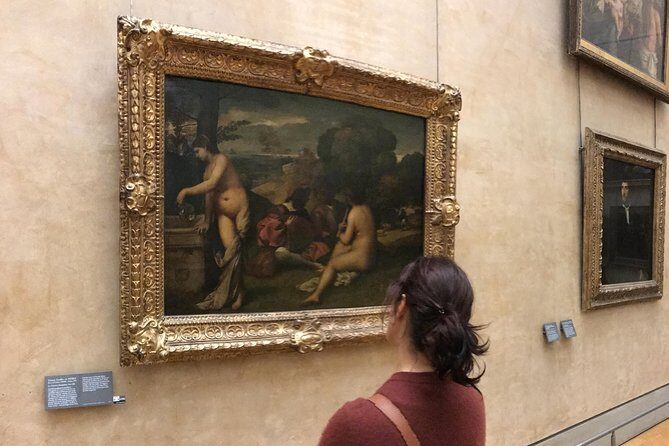
A highlights tour is only half the story. The best part is what happens next—when you have independent time in the museum and your mind isn’t overloaded.
This tour typically ends inside the Louvre at the end of the visit. At that point, your guide can point the way toward exhibits that match your interests. Some people leave wanting more French painting, while others get pulled into sculpture, decorative arts, or ancient collections like Egyptian artifacts.
I like tours that don’t just deposit you back at the entrance. Guidance afterward makes your “free time” feel smarter, not random.
Best for who (and not who)
This tour works best if you:
- Are visiting the Louvre for the first time
- Want the core masterpieces in a short window
- Prefer a planned route over improvising in a huge, crowded building
- Travel with teens or mixed interests, where structure helps keep everyone engaged
It might not be your best match if you:
- Want to spend hours in one gallery and go extremely slow
- Need a fully accessible route (this one is not wheelchair accessible)
- Are hoping the tour will feel like a complete Louvre education in just 2 hours
Think of it as a strong start. If you want the Louvre as a deep, slow dive, this is still a great first step—but you’ll likely plan more time in the museum afterward.
Should you book the Louvre Masterpieces Guided Tour?
If you want a high-impact Louvre day with less stress, I’d book it. The small group (max 6), the 2-hour structure, and the focus on the works people actually came to see make it a smart use of limited time. Add in the included ticket and you’ve got a straightforward way to convert museum overwhelm into a clear hit list.
Book this tour with extra confidence if:
- You like having a guide translate what you’re looking at
- You want help navigating crowds around the big stops
- You plan to continue exploring on your own after the tour
If you dislike walking, know you’ll struggle with stairs, or need full accessibility accommodations, you’ll want to look for a different format.
FAQ
FAQ
How long is the Louvre Museum Masterpieces guided tour?
It runs for about 2 hours.
What is the group size?
The tour is limited to a maximum of 6 travelers.
Is the tour in English?
Yes, the tour is offered in English.
Is the museum admission ticket included?
Yes. The included admission ticket is listed as €28.
Does the tour guarantee skip-the-line entry?
The tour is advertised as providing guaranteed skip-the-line admission.
Where do we meet for the tour?
The meeting point is Librairie Delamain, 155 Rue Saint-Honoré, 75001 Paris, France.
Where does the tour end?
The tour ends inside the Louvre in the 1st arrondissement, 75001 Paris, France.
Is the tour wheelchair accessible?
No. The tour is not wheelchair accessible.
Are food and drinks included?
No. Food and drinks are not included.
Is this tour suitable for people with limited mobility?
The description says it requires a strong physical fitness level, and the route involves walking and stairs.
What is the cancellation policy?
You can cancel for free up to 24 hours in advance for a full refund.